


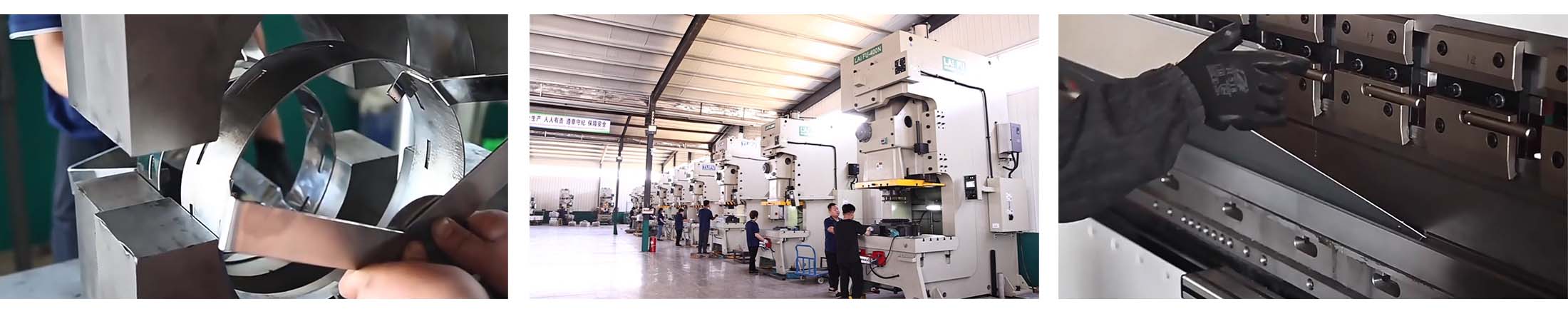
Related capabilities
We produce parts of this type with sheet metal fabrication. We also manufacture for Automotive and EV and Energy and power infrastructure programmes.
Frequently asked questions
Why are high-hardness and high-toughness materials difficult to process with traditional fabrication?
High-hardness materials such as hardened steel and nickel-based alloys are abrasive, so punching, blanking and bending accelerate wear on punches and dies. High-toughness materials also have poor thermal conductivity, which traps heat in the workpiece and causes work hardening, making the material harder to cut as the job progresses.
What is springback and how much can it shift bend angles?
Springback is where high yield strength makes the metal try to return to its original shape after the bending force is removed. On a press brake, a part bent to 90 degrees may spring back to 93 or 94 degrees when released. Compensating for this needs force plus a deep understanding of material grain direction and metal forming physics.
How does Beijing Jiacheng manage heat and distortion when processing tough alloys?
CNC equipment calibrated to manage heat input keeps cuts clean from thin-gauge aluminum to thick titanium plates. In the shop, advanced fixturing is combined with stress-relief techniques so residual stresses release without the part warping. Automation and CAD/CAM software optimize tool paths and cutting sequences to balance speed with the delicate handling these alloys require.


