


Metal fabrication for the industries we serve — and the requirements that actually change between them. A bracket for a construction site and a bracket for a medical instrument can be the same geometry in the same stainless, and still need completely different documentation, surface treatment and inspection. What follows is how we work in each sector: the parts we make, the processes that suit them, the materials that survive the environment, and the evidence your QA or your customer’s auditor will ask for.
| 6 sectors | automotive & EV, electronics, energy, medical, machinery, construction |
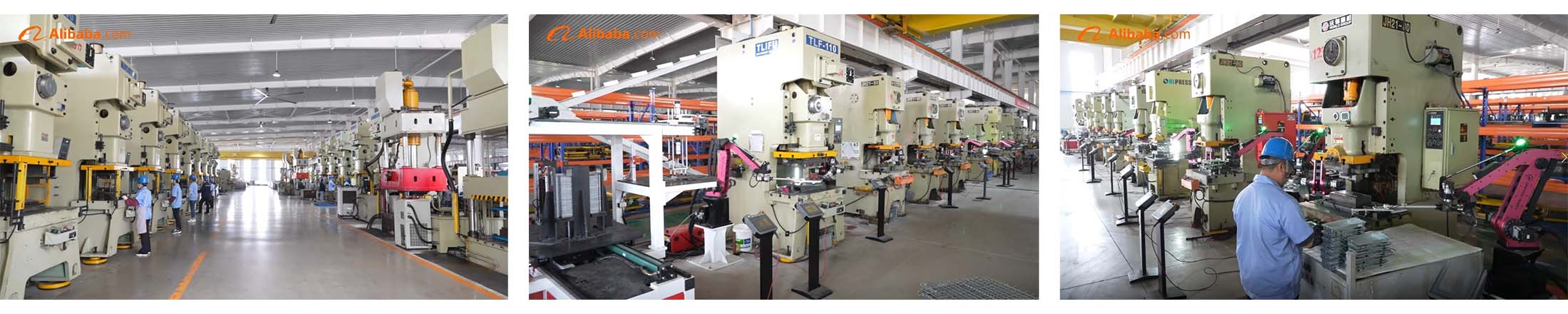
| 25–400 t | stamping presses |
| 12,000 W | fibre laser cutting |
| 3,200 mm | CNC press brake bed |
| ISO 9001:2015 | reg. 34025Q30296R0S |
| No MOQ | from 1 piece |
Metal fabrication by industry
Automotive and EV
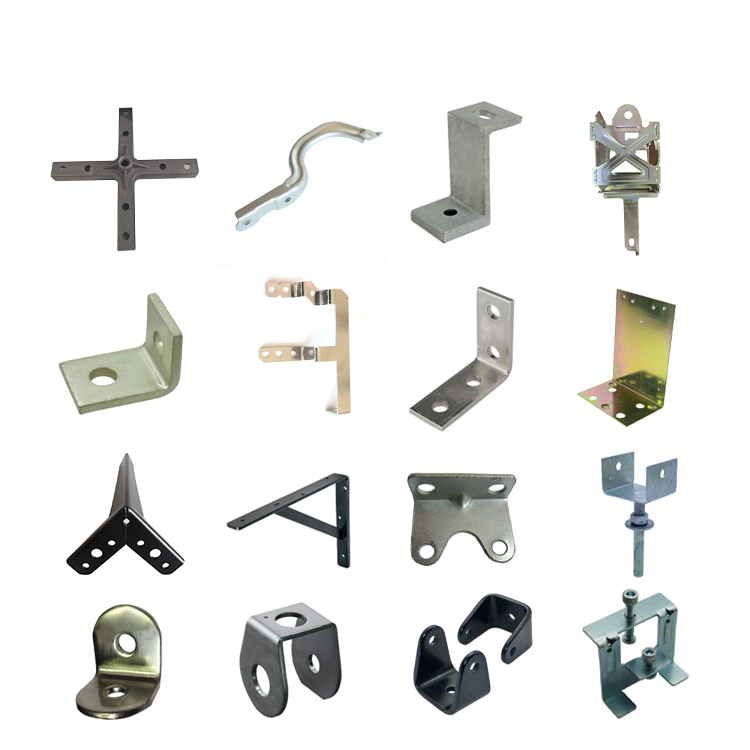
Battery module brackets, busbar supports, motor mounts, shims and chassis brackets. High volumes where every part has to be identical across a production run that lasts years — which is why these parts usually end up stamped rather than fabricated.
Electronics and electrical
Connectors, contacts, EMI shielding cans, heat-sink brackets, PCB mounting frames and enclosure panels. The driver here is fine features and flatness rather than tonnage, and the finish is often functional rather than cosmetic.
Energy and power infrastructure
Solar mounting brackets, transformer laminations and clamps, cable trays, earthing components and storage enclosures. Materials are chosen for corrosion resistance over decades in service, which usually means galvanised or stainless.
Medical and laboratory equipment
Instrument brackets, tray components, housing frames and sterilisation-safe stainless parts. Material traceability matters more than unit cost, and the surface has to be cleanable and free of crevices.
Industrial machinery and equipment
Machine guards, mounting plates, coupling brackets, retaining clips, conveyor components and hydraulic system brackets. Robustness and repeatability, often in heavy gauge and often welded.
Construction and building hardware
Hinges, latches, angle brackets, joist hangers, scaffold clips, door hardware and tool components. Corrosion protection is the whole game, which is why hot-dip galvanising dominates.
Why industry experience changes the part
The same drawing can be manufacturable or not depending on where it is going. Four requirements separate the sectors, and each one changes a decision earlier in the process:
| Requirement | What changes because of it |
|---|---|
| Traceability | Whether material certificates and batch records are mandatory or optional — and whether the mill certificate has to travel with every shipment |
| Corrosion environment | The grade and the finish: carbon steel with zinc plating, hot-dip galvanising for outdoor structures, or 304/316L stainless for chloride and hygiene |
| Appearance standard | Whether a dressed weld and a painted finish are acceptable, or whether the surface has to be passivated and crevice-free |
| Volume stability | Whether the part will still be made in five years — which decides between stamping tooling and fabricated production |
Getting one of these wrong is not a cosmetic problem. A galvanised bracket specified where 316L was needed fails in the field; a fabricated part specified where a die should have been cut costs money on every unit for years; a stainless weld that is never passivated rusts at the seam even though the weld is sound.
So we ask about the application before quoting the part: where it goes, what it is exposed to, what documentation the end customer will demand, and whether the volume is likely to hold. Those four answers usually decide the material, the process and the price before the geometry does.
Processes available across every sector
- Custom metal stamping — progressive, compound and transfer dies built in-house, from 25 to 400 tonne presses
- Sheet metal fabrication — cutting, forming, joining and finishing under one work order
- Metal deep drawing — multi-stage hydraulic drawing for seamless cups, cans and enclosures
- Sheet metal bending — 3,200 mm CNC press brake with bend deduction calculated per material
- Metal welding — MIG, TIG, spot and laser welding, plus riveting and hardware insertion
- CNC machining — five-axis milling and turning to ±0.005 mm
Documentation and inspection
Every sector gets the same baseline: CMM dimensional reports, first article inspection on new work, EN 10204 material certificates and coating thickness readings after finishing. Where a sector needs more, we agree it at RFQ rather than after the parts are made — and where a requirement is outside what we can verify ourselves, we say so before quoting instead of assuming it can be arranged.
Third-party inspection is welcome in any sector: SGS, TÜV, BV or your own engineer, at any point in the run.
Start with the application, not the drawing
Tell us the industry and how the part is used. That is usually enough for us to tell you which material, process and finish are the sensible starting point — and where the cost is really coming from. Send the file through the RFQ form, or read how we price metal fabrication first. Engineering responds within 3 hours on working days.
Standards referenced
- ASTM International — material and test standards
- IATF Global Oversight — automotive quality management requirements
- IAQG — aerospace quality standards, relevant where a part is aviation-linked
- The Aluminum Association — aluminium alloy designation system
- ISO 9001 quality management — the standard our system is registered against