


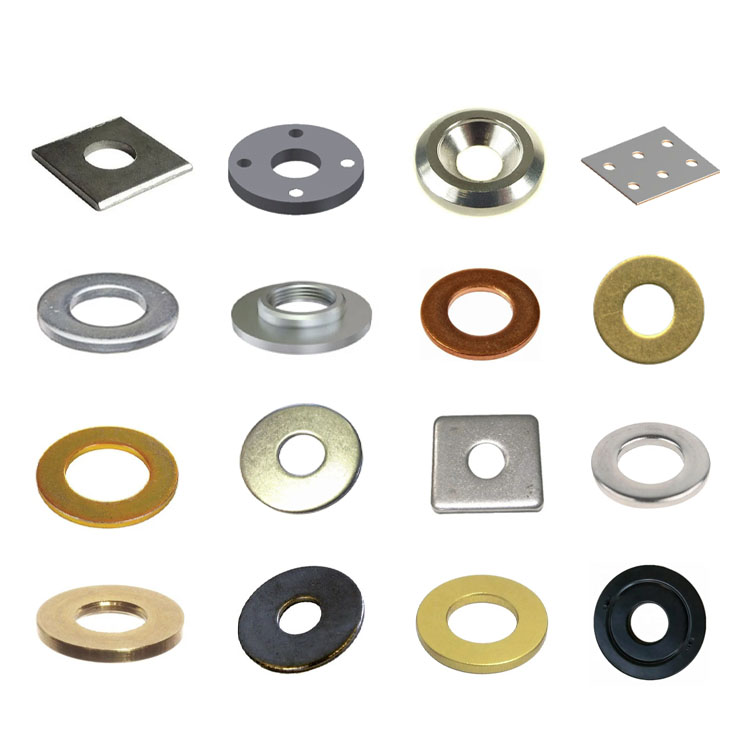
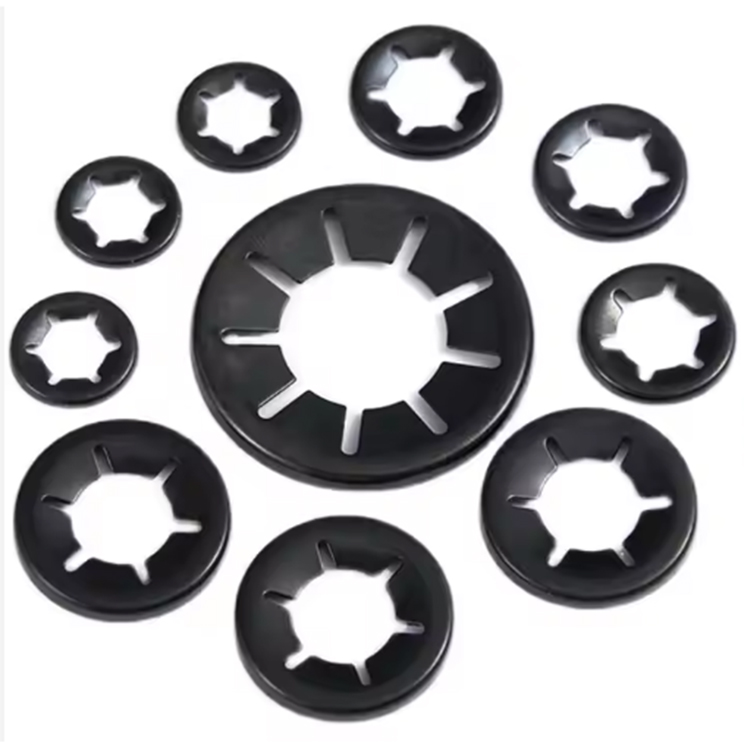
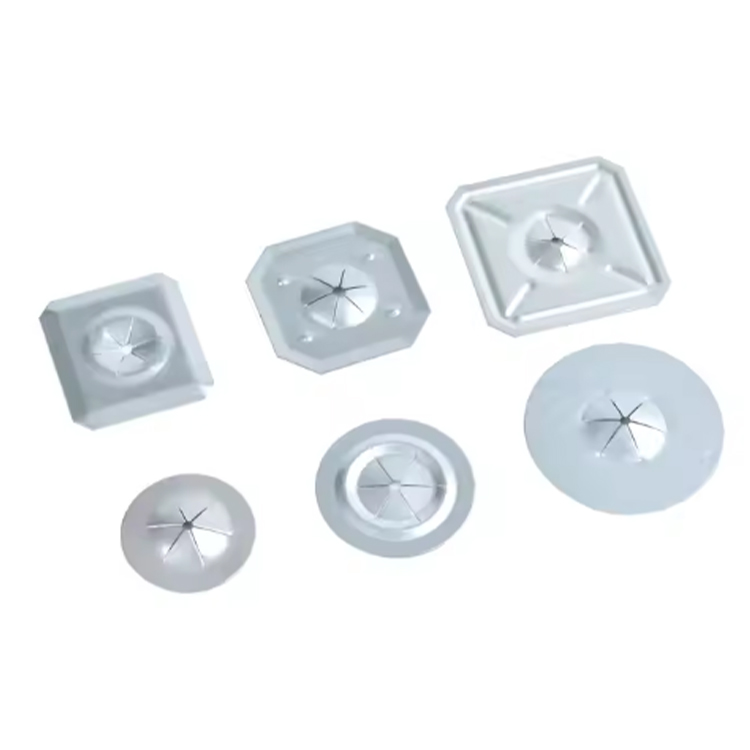
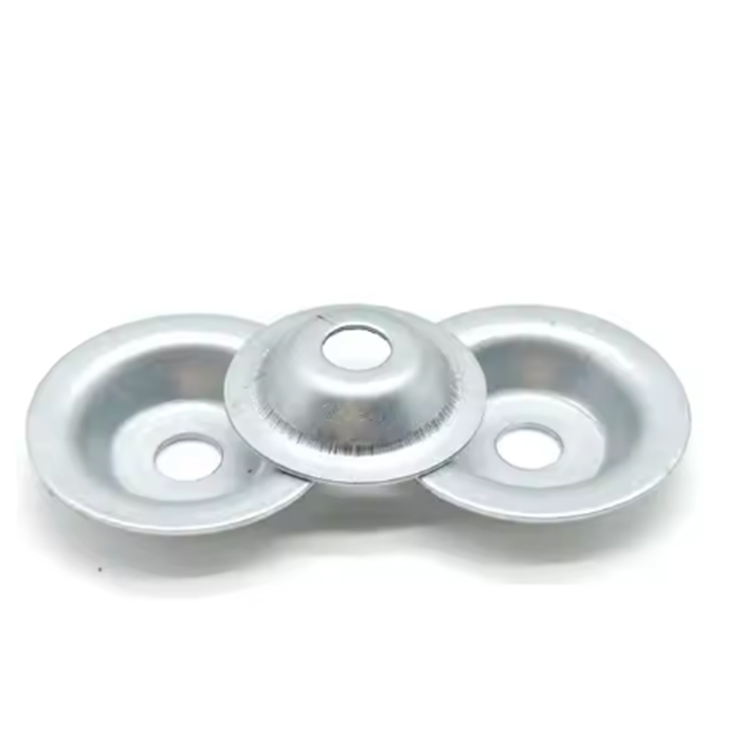
JCEN, a leader in advanced metal fabrication, offers Custom Metal Shims & Washers designed to meet the most demanding industrial requirements. With decades of expertise, JCEN integrates cutting-edge technology, material diversity, and stringent quality protocols to deliver solutions for automotive, aerospace, energy, and machinery sectors.
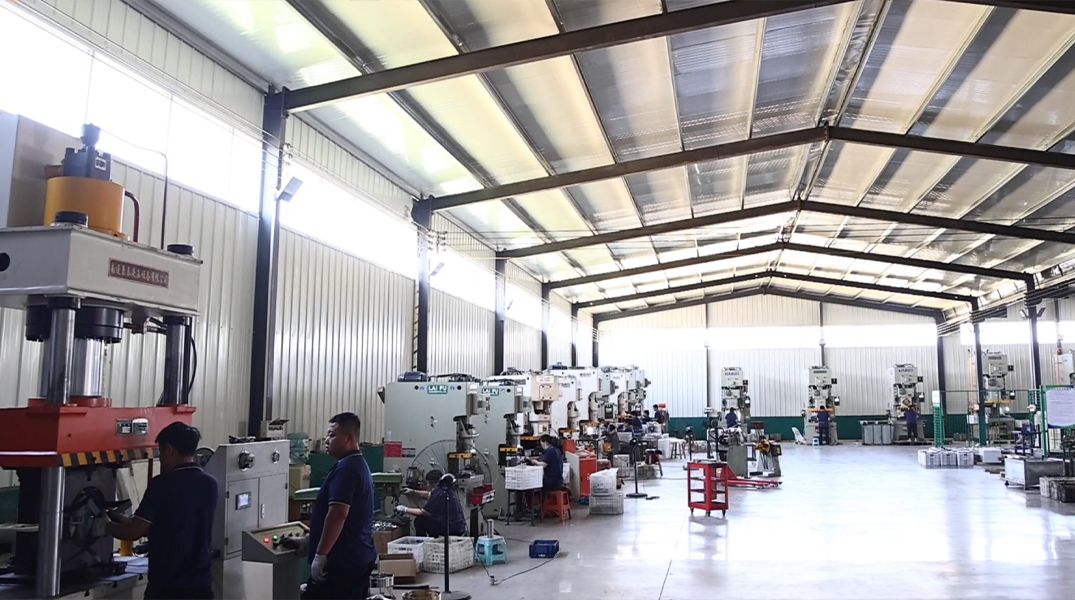
Advanced Manufacturing Processes
JCEN employs state-of-the-art techniques to ensure precision and durability:
- Laser Cutting & CNC Machining: For ultra-precise dimensions and complex geometries, ensuring perfect fitment in high-tolerance assemblies.
- Stamping & Forming: High-speed stamping presses produce large batches efficiently while maintaining consistency in thickness and surface finish.
- Surface Treatments: Options like galvanization, anodizing, and passivation enhance corrosion resistance and adapt washers to harsh environments.
Material Versatility
JCEN’s metal washers are crafted from a wide range of materials to suit diverse applications:
- Stainless Steel: Ideal for corrosion resistance in marine or chemical industries.
- Copper & Brass: Used in electrical systems for conductivity and thermal management.
- Aluminum: Lightweight yet durable, perfect for aerospace and automotive weight reduction.
- Special Alloys: Titanium or Inconel® for extreme temperatures and pressures.
JCEN’s engineers guide clients in selecting optimal materials, balancing cost and performance.
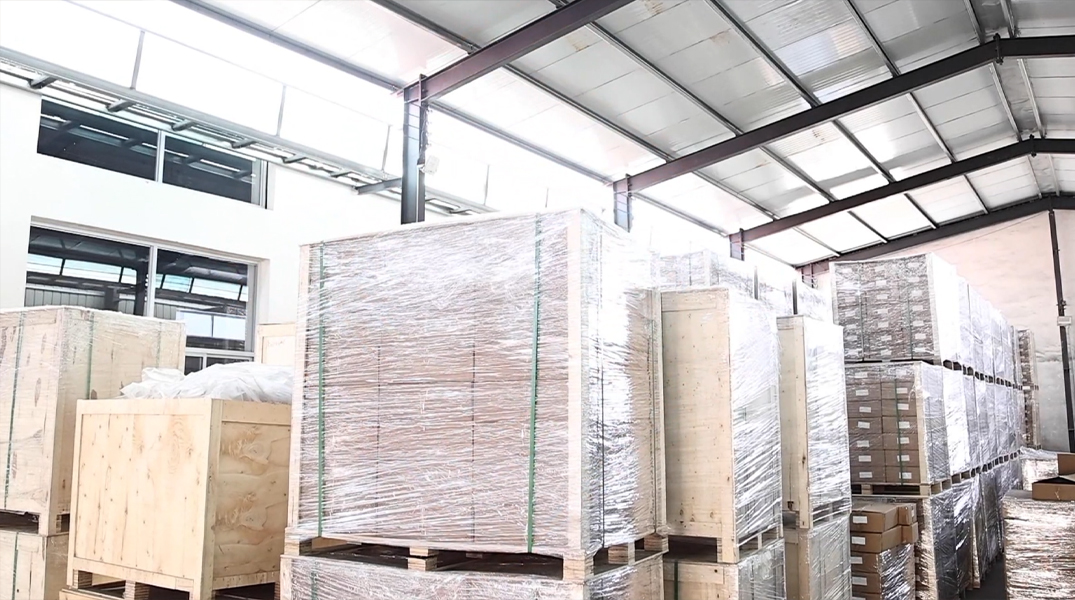
JCEN prioritizes secure and sustainable packaging:
- Anti-Corrosion Packaging: Vacuum-sealed bags with desiccants for moisture-sensitive environments.
- Custom Labeling: Barcodes, QR codes, or client-specific identifiers for traceability.
- Bulk & Retail Options: From industrial-sized pallets to small, retail-ready boxes.
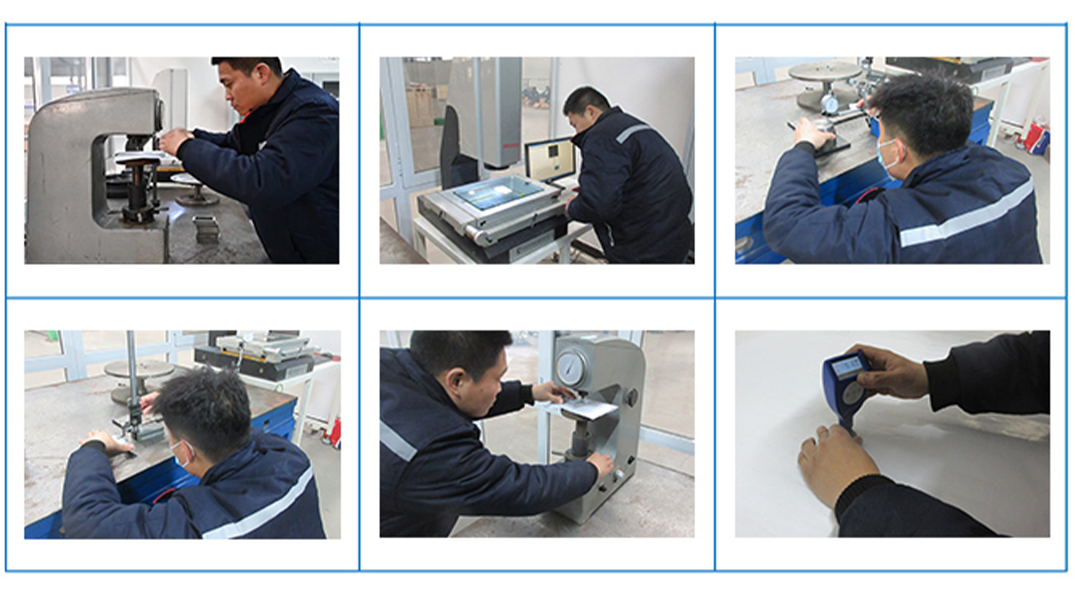
Quality Control
Related capabilities
We produce parts of this type with sheet metal fabrication. We also manufacture for Automotive and EV and Electronics and electrical programmes.
Related pages
- Metal stamping — how shims and washers are produced
- High-volume production — shims and washers are volume parts
- Standard sheet metal thicknesses chart — shim thickness reference
- Sheet metal fabrication — the wider fabrication offer
Standards referenced
- ASTM International — material and test standards
- worldsteel Association — steel grade and property reference
Key facts
| Item | Detail |
|---|---|
| Processes | Stamping, laser cutting, CNC machining and deburring |
| Materials | Stainless steel 304 and 316, carbon steel, copper, brass and aluminium |
| Thickness | From 0.5 mm upward, with heavier plate quoted on request |
| Tolerance | +/-0.02 mm on critical stamped features |
| Sample lead time | 7 days typical |
| Minimum order quantity | None, from 1 piece |
| Records supplied | CMM dimensional reports, first article inspection and EN 10204 material certificates |
What shims and washers suit
A shim sets a gap, takes up wear or levels a surface, so the thickness is the specification. A washer spreads a load, protects the surface under a fastener or isolates two materials, so the outside diameter and the hole are what matter. Both are flat parts, which means they can be laser cut for a one off or a small batch and moved to a stamping die once the annual volume justifies the tooling. Above roughly 5,000 to 10,000 pieces a year the die cost is recovered in the unit price, and shims and washers are typical volume parts.
What to send for a shim and washer quote
Send a DXF or a dimensioned drawing with the thickness, the outside diameter, the hole size and the material. State the thickness tolerance, because on a shim the thickness is usually the functional dimension, and say whether the part is a standard pattern or a custom outline. Engineering responds within 3 hours on working days, and the price, the lead time and a design for manufacture review come back within 24 hours. There is no minimum order quantity, so a single part can be quoted on the same basis as a batch.
What affects shim and washer cost and lead time
Thickness and material drive the cost, with stainless and copper carrying the highest cost per kilo. The route follows the volume: laser cutting has no tool cost and suits low volume, while a stamping die lowers the unit price sharply once the quantity pays for it. Burrs have to be removed on thin parts because a raised edge changes the effective thickness, so deburring is part of the operation rather than an extra. A sample is typically 7 days from a frozen drawing, and production runs 20 to 30 business days after sample approval.
How shims and washers are checked
Thickness is measured directly, because it is the dimension that decides whether a shim does its job. A first article inspection report is produced on a coordinate measuring machine with a stated measuring accuracy of +/-0.002 mm, and critical dimensions are verified before shipment. Records available with the order include a CMM dimensional report, a first article inspection report and an EN 10204 material certificate. Third party inspection by SGS, TUV or BV can be arranged.
Common mistakes buyers make with shims and washers
The most common mistake is leaving the thickness tolerance off the drawing, so the part is quoted to a general tolerance that is not tight enough for the application. Others are ordering a shim without stating the material grade, forgetting that deburring affects the effective thickness on very thin parts, and choosing a custom outline where a standard pattern would have done the job for less.
Frequently asked questions
What thickness can you supply shims and washers in?
From 0.5 mm upward, with heavier plate quoted on request. On a thin shim the thickness is the functional dimension, so tell us the thickness tolerance you need and it will be checked on a coordinate measuring machine before shipment.
Can you supply a small quantity of shims or washers?
Yes. There is no minimum order quantity, and a single part is normal work, so a one off shim or washer can be laser cut and deburred on the same basis as a production batch.
Which materials are available for shims and washers?
Stainless steel 304 and 316, carbon steel, copper, brass and aluminium are all processed, and the grade is chosen for corrosion resistance, conductivity or cost depending on the application.
For independent reference on fastener standards, see the Industrial Fasteners Institute.


