


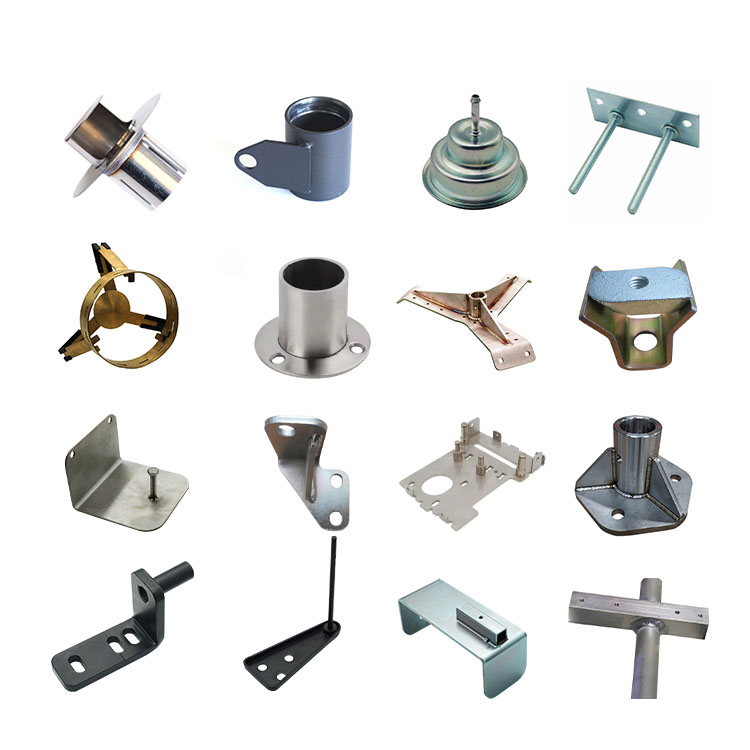
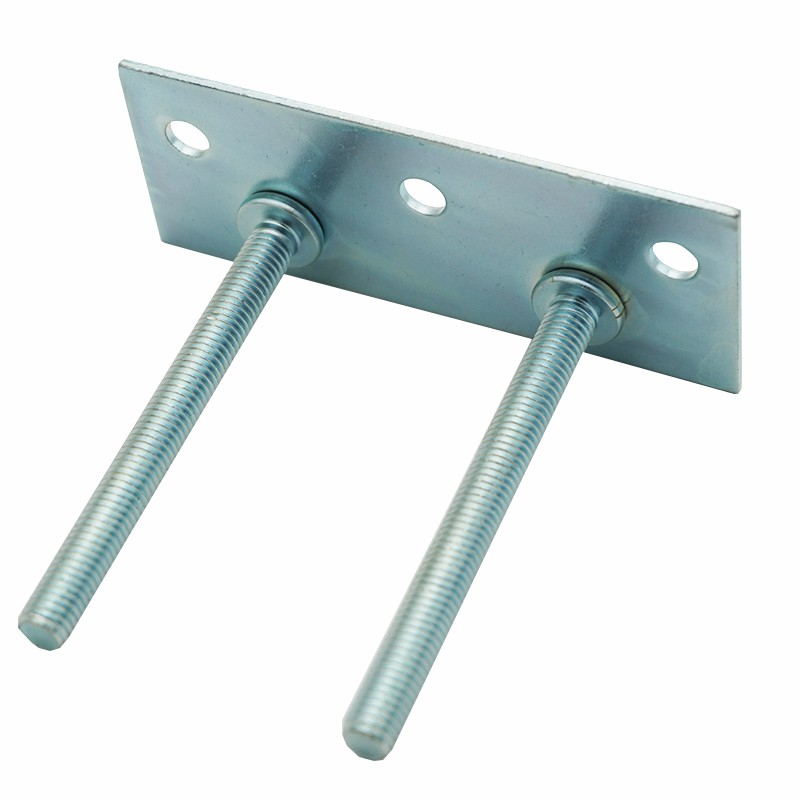
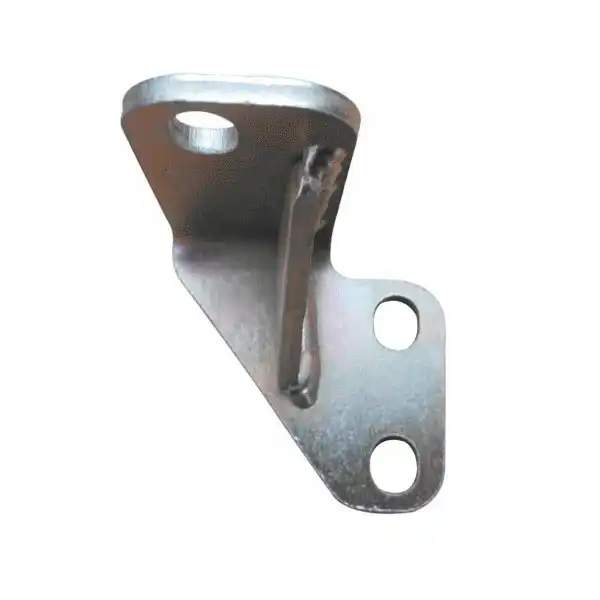
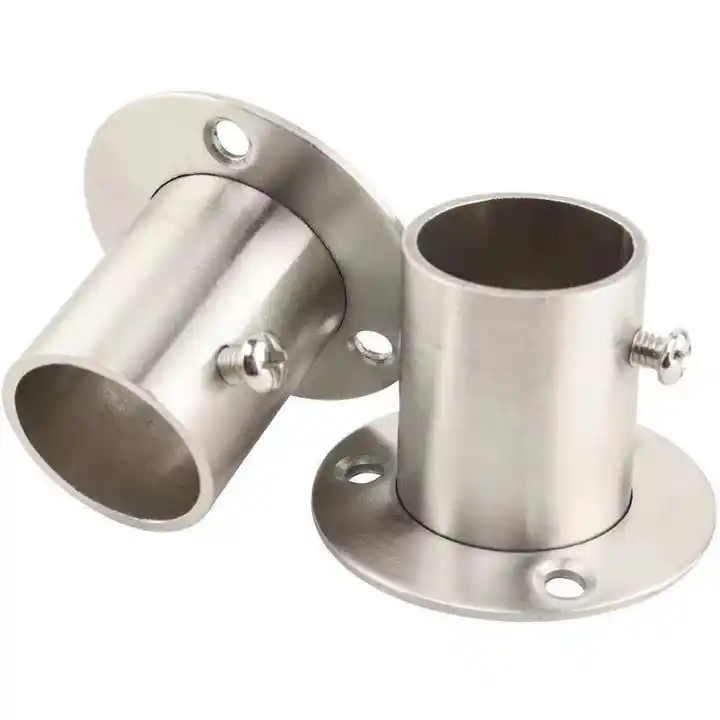
Metal welding is a fabrication process. It fuses metal parts by melting the contact areas. This creates a durable, permanent joint. Common methods include MIG, TIG, and laser welding. MIG is known for its efficiency. TIG offers high precision and clean results. Laser welding is ideal for delicate, detailed tasks. Welding is vital across many sectors. These include automotive, aerospace, pipeline, and structural steelwork. It is used for vehicle underbodies, aircraft frames, storage containers, and building supports.
Custom Welding and Fabrication Services | Experienced OEM Partner
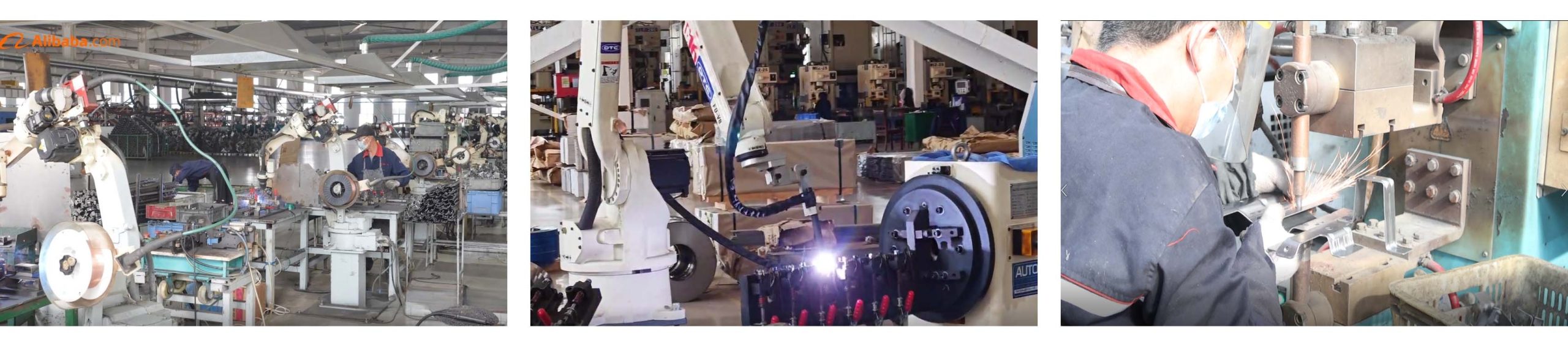
Beijing JCEN offers custom welding and fabrication services. With experience in sheet metal fabrication since 1997, we handle any project size. We work on small, detailed parts and large, complex assemblies. Our facility uses advanced welding technologies like MIG, TIG, and laser. This ensures top accuracy, strength, and quality. We follow strict quality checks and pay close attention to detail. Our goal is to deliver reliable, consistent results for every client.
✅ Steel, stainless, aluminium, copper and brass ✅ Quote within 24 hours ✅ Samples available in 7 days ✅ ISO 9001:2015, IATF 16949 and ISO 14001 certified ✅ Free drawing optimization service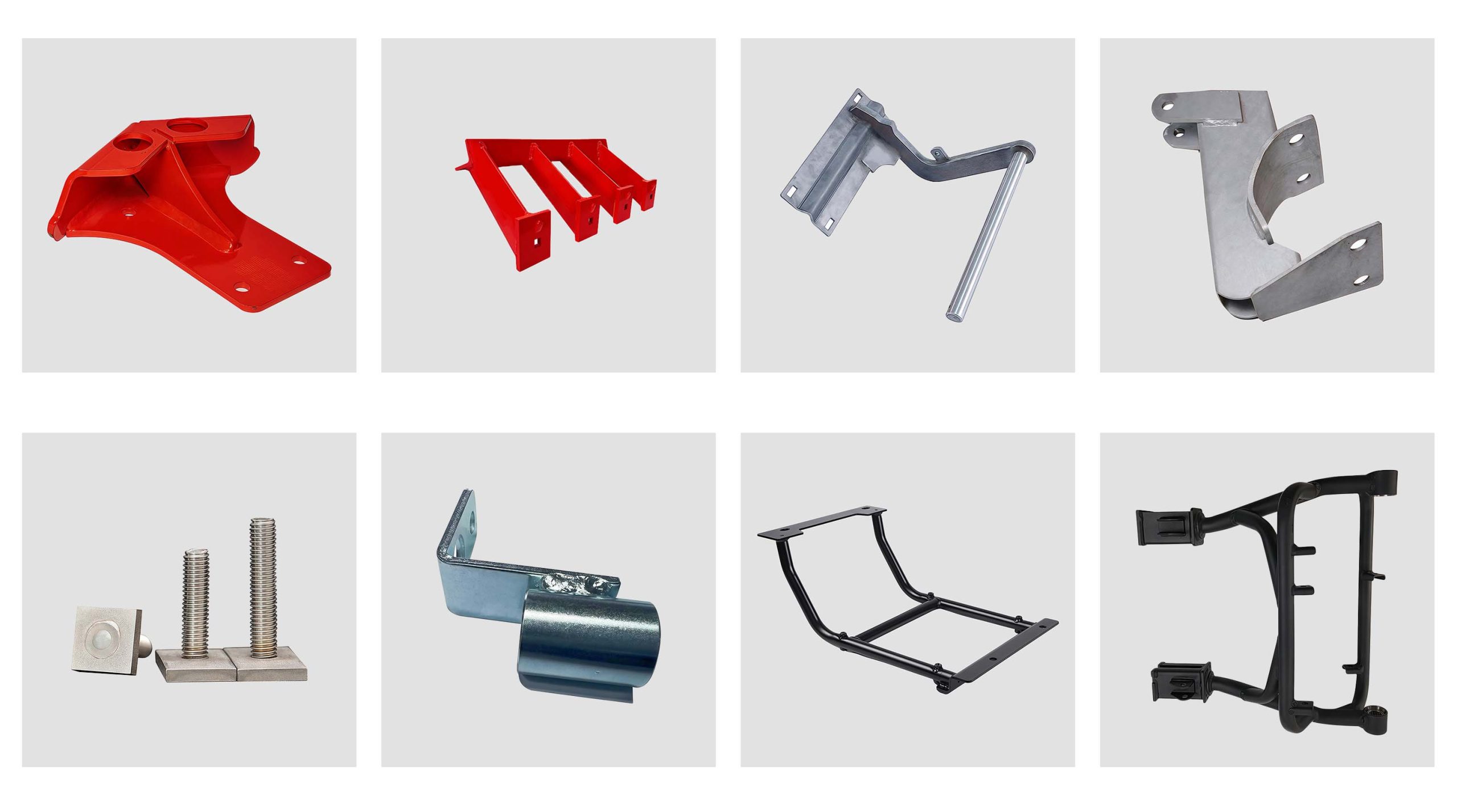
Capability at a Glance
| Item | What we offer |
|---|---|
| Welding processes | TIG, MIG, spot and projection welding, plus fitting and sub-assembly |
| Materials | Mild and carbon steel, stainless steel 304 and 316, aluminium 5052 and 6061, copper and brass |
| Sheet thickness | From 0.5 mm upward |
| Tolerances | Forming and assembly ±0.1 mm; machined features ±0.005 mm |
| Minimum order | None. Single prototype pieces are accepted |
| Sample lead time | 7 days |
| Finishing | Deburring, sanding, polishing, powder coating and plating |
| Quality system | ISO 9001:2015, registration 34025Q30296R0S; IATF 16949; ISO 14001 |
Professional Welding Line | Adaptive and Efficient Welding Methods
As metal processing specialists, we provide various welding techniques. We select the best method for your project’s needs. Here is a summary of our common processes:
MIG Welding (Metal Inert Gas) How it Works: MIG welding employs a continuously fed wire electrode that melts under a protective gas shield, preventing atmospheric contamination.
>Advantages: Noted for its rapid application and user-friendly nature, MIG welding yields clean seams with little spatter, making it well-suited for high-output manufacturing. Applications: Frequently applied in auto body construction, general metal fabrication, and large-scale assemblies where productivity is key.TIG Welding (Tungsten Inert Gas) How it Works: TIG welding utilizes a non-consumable tungsten electrode and shielding gas to produce accurate, high-integrity welds. This method demands expertise but delivers superior, contamination-free joints. Advantages: Excels in precision, making it perfect for thin materials and detailed work, offering robust bonds with low heat distortion. Applications: Chosen for aerospace parts, medical instruments, and artistic metalwork where finish quality, strength, and exactness are critical.
Laser Welding How it Works: Laser welding directs a concentrated beam of light to fuse materials with high precision. The localized heat input enables rapid joins and narrow heat-affected zones. Advantages: Optimal for minute or fragile parts and high-accuracy tasks, creating neat welds that often need little additional finishing. Applications: Employed in electronics assembly, precision jewelry crafting, surgical device manufacturing, and other fields involving micro-joining or complex geometries.
Arc Welding How it Works: Arc welding generates an electric arc to melt the base metal and a filler rod, forming sturdy connections. It is a flexible process effective on thicker sections. Advantages: An economical option that performs well outdoors, arc welding creates resilient joints even under tough conditions. Applications: Widely used in structural steel erection, pipeline installation, and heavy equipment production where toughness and load-bearing capacity are vital.

Precision Metal Welding: Committed to On-Time Delivery and Superior Quality
With experience since 1997, we follow a structured workflow. This ensures quality, precision, and compliance with your specifications. Our process includes:
Design and Planning We collaborate with you to define part details. This includes size, material, and welding specs. We create technical drawings and 3D CAD models for accuracy.
Material Selection and Preparation We select the right metal, like stainless steel or aluminum. Materials are then cut, cleaned, and prepared. This ensures clean surfaces for optimal welding.
Fixture Setup We make custom jigs and fixtures. These hold parts in exact position. This guarantees alignment and reduces deformation.
Welding Process This is the core manufacturing step. Our skilled welders use methods like MIG, TIG, or laser. They carefully control temperature and speed. This creates solid, neat welds with minimal distortion.
Inspection and Testing Every unit is rigorously checked. We examine weld quality and dimensions. Methods include visual, ultrasonic, or radiographic testing for critical uses.
Finishing and Surface Treatment Parts may undergo final treatments. These include sanding, polishing, or painting. This improves both appearance and durability.
Our methodical approach ensures every part meets your exact needs. It reflects our 28-year commitment to excellence in metal fabrication.

Lead Times and Shipping
| Stage | Typical timing |
|---|---|
| Quote and DFM review | Within 24 hours, with manufacturability notes included |
| Sample or first article | 7 days |
| Production run | 10 to 20 business days for cutting and forming; 20 to 30 business days when welding and finishing are included |
| Air freight | 3 to 7 days |
| Sea freight | 15 to 30 days |
How the Supply Models Compare
Most fabricated parts reach a buyer through one of three routes. Each route wins in a different situation, so the useful question is which one fits your part, your volume and your deadline.
| Route | Where it wins | What to check before committing |
|---|---|---|
| Local job shop | Fast turnaround on small urgent jobs, no freight and no customs, and you can visit the shop in person | Unit price at higher volumes, capacity during peak periods, and whether the tooling will still be there in three years |
| Online marketplace platform | Instant automated quotes, a very long list of suppliers, and a low barrier to start | Which plant actually runs your job, who answers the engineering questions, and how consistent the parts are from order to order |
| Single-plant manufacturer | One plant and one quality system carries the whole order, DFM feedback comes from the production engineers, and tooling plus volume experience sits in house | Freight and customs are part of the total lead time, and visiting the plant means travelling |
Where We Are
Beijing JCEN is headquartered in Beijing, with the factory in Nanpi County, Hebei. The plant has a floor area of 15,000 m² and runs 6 production lines. The company was established in 1997 and has been manufacturing at the Nanpi plant since 1998.
Quality system: ISO 9001:2015, registration 34025Q30296R0S; IATF 16949; ISO 14001.
If a drawing exists, we will review it for manufacturability and return a quote with notes within 24 hours. Send your drawing.
Related capabilities
We produce parts of this type with metal welding. We also manufacture for Electronics and electrical and Automotive and EV programmes.
Related pages
- Metal welding — TIG, MIG and spot welding capability
- Assembly services — welding combined with fastening and fitting
- Sheet metal fabrication — the forming operations upstream
- Metal surface treatment — finishing applied after welding
- Case study — a Ukrainian buyer’s review of a multi-process order
Standards referenced
- American Welding Society (AWS) — welding procedure and qualification reference
- ASTM International — material and test standards
Frequently asked questions
Which welding methods do you offer?
We provide MIG, TIG, laser, and arc welding. MIG welding uses a continuously fed wire electrode under a protective gas shield and is suited to high-output manufacturing. TIG welding uses a non-consumable tungsten electrode for accurate, high-integrity joints. Laser welding directs a concentrated beam of light for high precision, and arc welding is economical and effective on thicker sections.
How do you check weld quality?
Every unit is rigorously checked. We examine weld quality and dimensions, using methods including visual, ultrasonic, or radiographic testing for critical uses. Our workflow covers design and planning, material selection and preparation, fixture setup, the welding process, and then finishing and surface treatment, all with experience in sheet metal fabrication since 1997.
Which materials and lead times do you offer?
We have more than 100 metal materials available, provide a quote within 24 hours, and can supply samples in 7 days. We work with materials such as stainless steel and aluminum, and we hold ISO 9001:2015, IATF 16949, and ISO 14001 certification. A free drawing optimization service is also included.


