


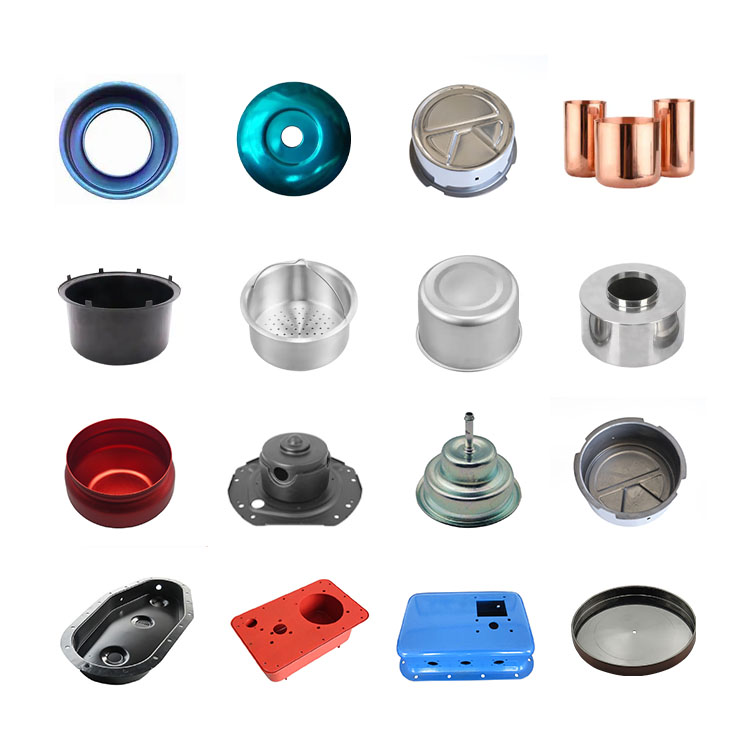
In practice, Metal deep drawing is a widely used manufacturing process that transforms sheet metal into complex, three-dimensional components through the application of controlled tensile force using specialized dies. This method is critical for producing high-precision parts across various sectors, including automotive, aerospace, household appliances, and electronics.
For example, Beijing JCEN Metal Processing Co., Ltd. is a leading expert in custom metal deep drawing, with experience in sheet metal fabrication since 1997. Our extensive expertise allows us to manage projects of any scale—from prototype development to full mass production—with unmatched accuracy and reliability. Equipped with state-of-the-art machinery and a highly skilled technical team, Beijing JCEN ensures every component meets rigorous quality standards, delivering durability, consistency, and superior performance for a wide range of industrial applications.
✅ sheet metal expertise since 1997
✅ 0.01mm precision guarantee
✅ 100+ material options available
✅ Fast quotation within 24 hours
✅ Prototype samples in 7 days
✅ ISO 9001:2015, IATF 16949 and ISO 14001 certified
✅ Free design-for-manufacturing review

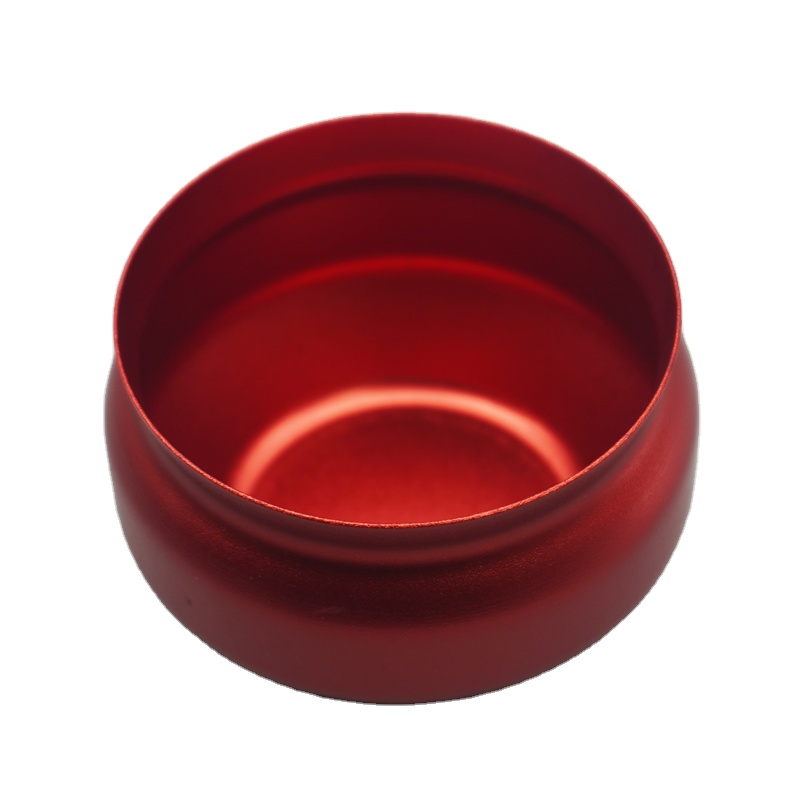
Material: Aluminum
Thickness: 0.8mm
After four drawing stages, the tooling fully forms the component outline.
As a result, Beading process applied to create surface texture.
In addition, Secondary operations include punching, flanging, and trimming.
That said, A spinning process forms the threads.
Surface treatment: black oxidation.
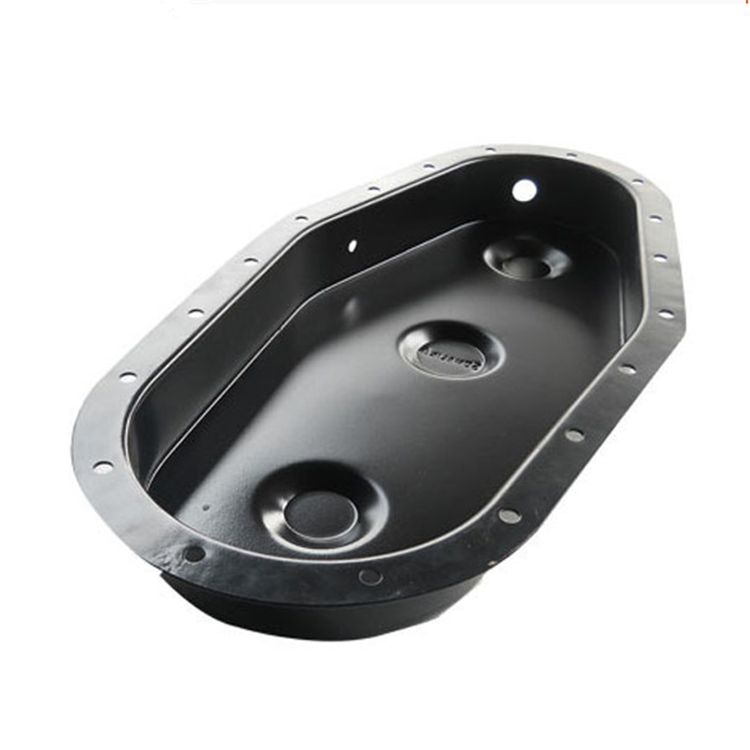
Base metal: Steel
Thickness: 1.1mm
Meanwhile, Single deep drawing cycle achieves final shape.
Additional punching and stamping for detailed forming.
Surface treatment: galvanizing.
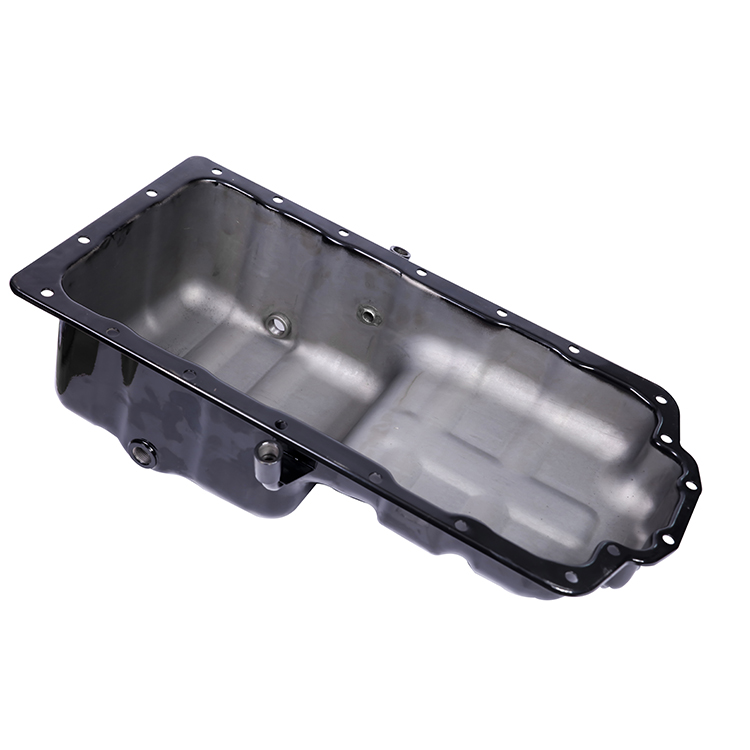
Material: Stainless Steel
Thickness: 0.6mm
One stretch completes the primary shape.
We trim the edges for final contouring.
Surface polishing for a smooth finish.
Protective film applied for shipping.
Typical Metal Deep Drawing Workflow Includes the Following Stages
Design and Engineering
We work closely with clients to define specifications, including dimensions, tolerances, material selection, and functional requirements. Using advanced CAD and simulation software, we validate designs for manufacturability and performance.Material Selection and Preparation
Based on the design, we choose the optimal metal—such as stainless steel, aluminum, or copper—and prepare it by cutting and cleaning to ensure a contaminant-free surface.Tooling and Die Fabrication
We manufacture or adapt custom dies and tools to suit the part geometry. Precision tooling is essential for maintaining dimensional accuracy across production batches.Deep Drawing Operation
We place the blank into the die and apply controlled pressure, gradually forming the desired shape. We closely monitor process parameters to prevent defects.Trimming and Fine Forming
We remove excess material and perform additional forming—such as bending or hole punching—to meet exact design specifications.metal surface treatment
A range of finishes—including polishing, plating, anodizing, or powder coating—is available to enhance appearance, corrosion resistance, and part longevity.Quality Assurance and Testing
Every part undergoes thorough inspection, including dimensional verification and structural tests, to ensure compliance with customer requirements and international standards.
Furthermore, this structured approach ensures that every deep-drawn component produced by Beijing JCEN meets the highest levels of quality and precision.
Overall, metal deep drawing produces parts with seamless surfaces, high strength-to-weight ratios, and excellent structural integrity. The absence of joints or seams enhances durability and reduces the need for secondary assembly.

Related capabilities
We produce parts of this type with metal deep drawing. We also manufacture for Electronics and electrical and Automotive and EV programmes.
Related pages
- Metal deep drawing — process, draw ratios and tooling
- Metal stamping — for flat rather than hollow parts
- High-volume production — multi-stage drawing at volume
- Standard sheet metal thicknesses chart — blank thickness reference
- Case study — a United States buyer’s review of formed stainless parts
Standards referenced
- ASTM International — material and test standards
- worldsteel Association — steel grade and property reference
Key facts
| Process | Metal deep drawing, forming sheet metal into three-dimensional parts with dies and controlled tensile force |
| Materials shown | Aluminium at 0.8 mm, steel at 1.1 mm and stainless steel at 0.6 mm |
| Typical operations | Deep drawing, beading, punching, flanging, trimming and thread spinning |
| Surface treatments | Black oxidation, galvanizing and polishing |
| Workflow stages | Design and engineering, material preparation, tooling and die fabrication, drawing, trimming, finishing and quality assurance |
| Certification | ISO 9001:2015, IATF 16949 and ISO 14001 |
Frequently asked questions
What is metal deep drawing used for?
Metal deep drawing forms sheet metal into complex three-dimensional components by applying controlled tensile force with specialised dies. The process suits high-precision parts across sectors such as automotive, aerospace, household appliances and electronics, and it produces hollow parts with seamless surfaces, high strength-to-weight ratios and excellent structural integrity.
Which materials and thicknesses can be deep drawn?
The examples in this article cover aluminium at 0.8 mm, steel at 1.1 mm and stainless steel at 0.6 mm, chosen at the design stage. Material selection considers formability and function, and the blank is prepared by cutting and cleaning to ensure a contaminant-free surface before the drawing operation begins.
What happens after the part is drawn?
After drawing, excess material is trimmed and further forming such as bending or hole punching is carried out to meet the design. A finish follows, which may be polishing, plating, anodizing, black oxidation or powder coating, and every part then undergoes dimensional verification and structural testing before it ships.


