


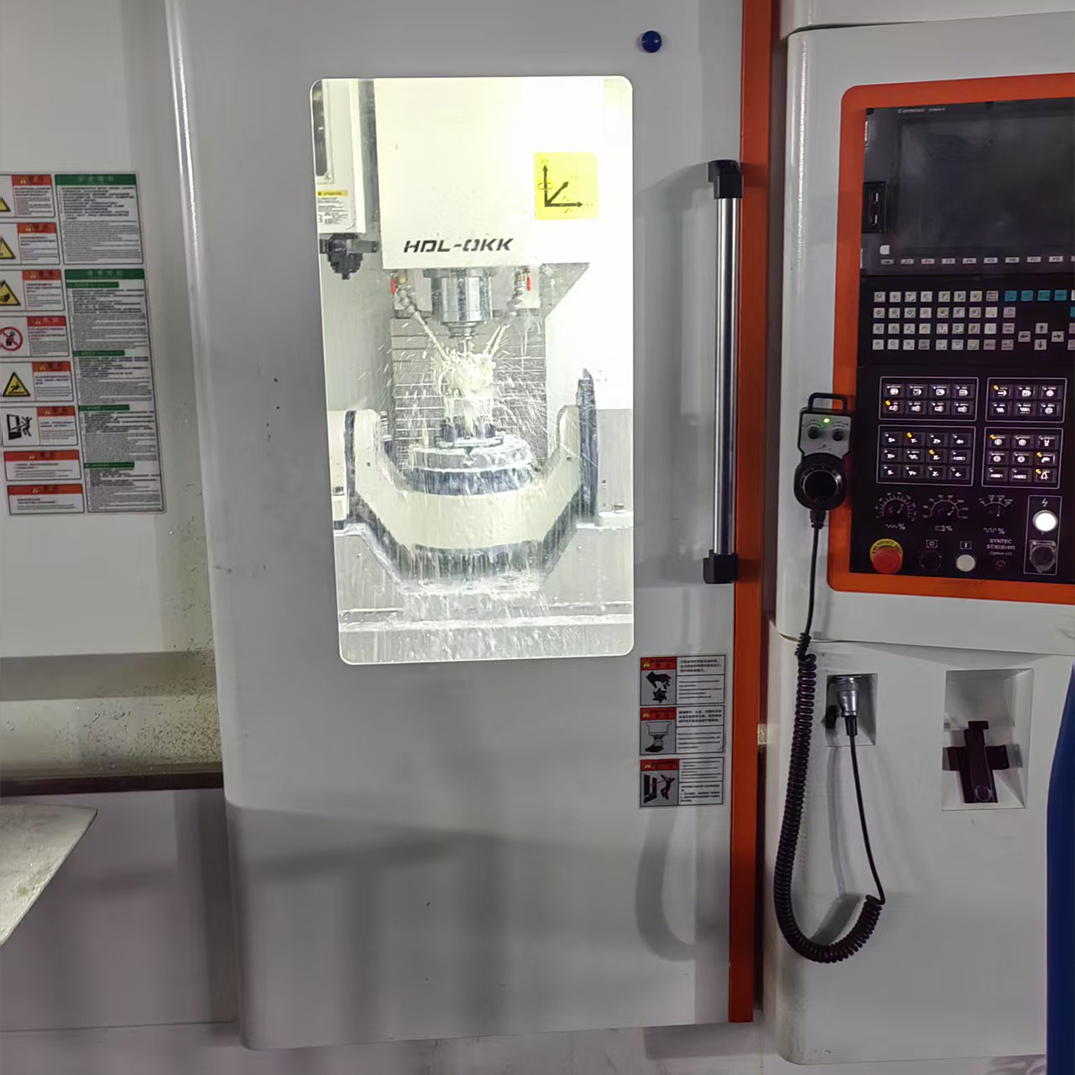
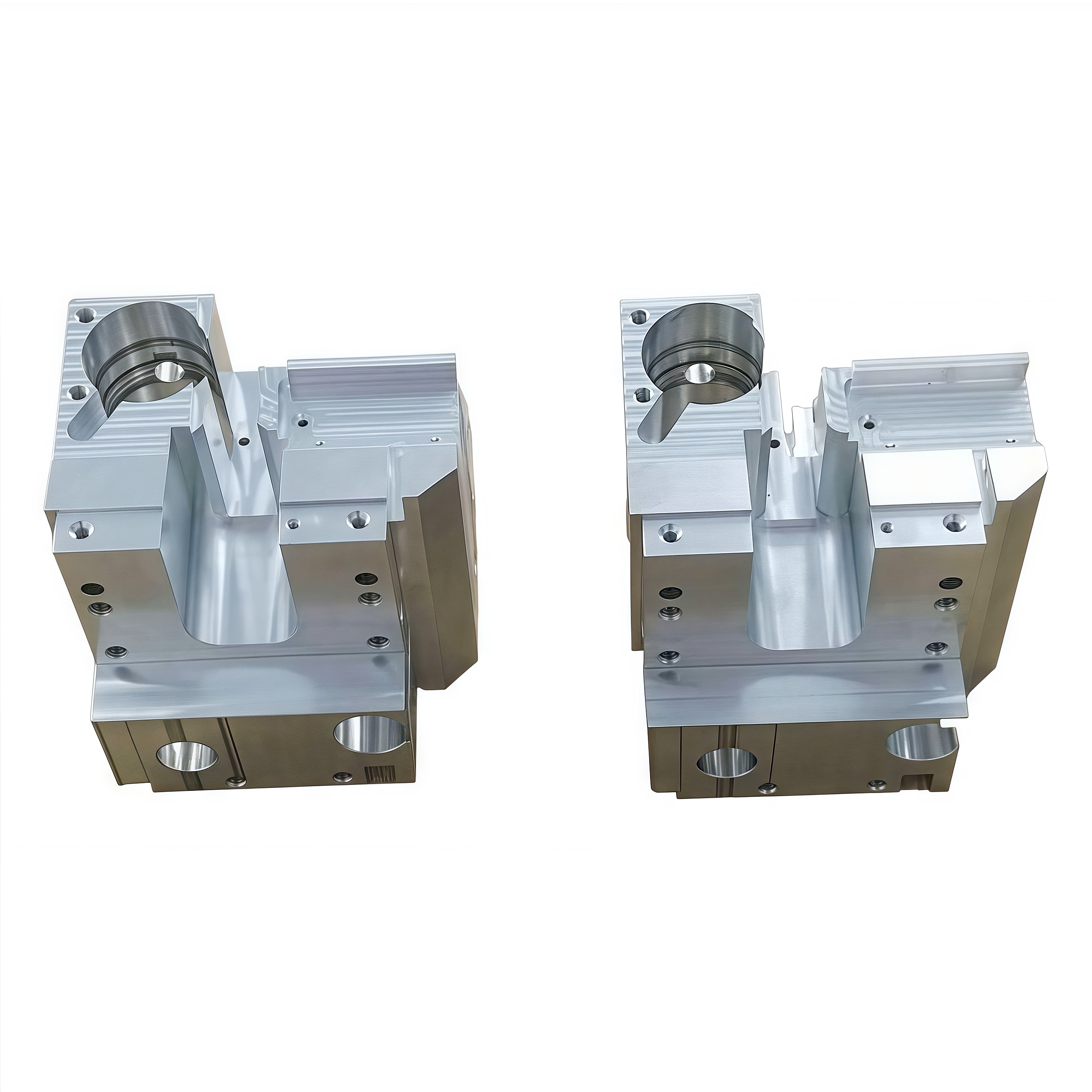
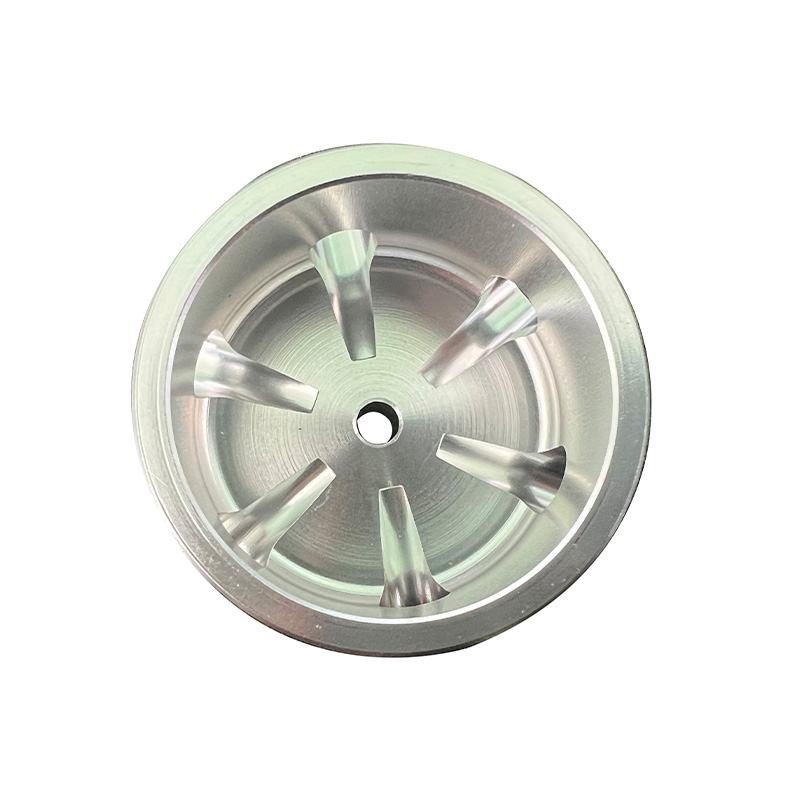
In practice, in the world of manufacturing, efficiency is king. However, anyone who has spent time on a shop floor knows a counterintuitive truth: the actual cutting time—when the machine tool is actively removing material—often represents only a small fraction of the total time a part spends in production. If you look at a typical production schedule for custom parts, you might find that the CNC machining process itself is surprisingly fast compared to the overall lead time.
So, where does all the time go? Understanding this discrepancy is crucial for manufacturers looking to improve throughput, reduce costs, and meet tight deadlines. For a company like Beijing Jiacheng, with sheet metal fabrication experience since 1997, mastering the balance between machining time and auxiliary operations is the secret to delivering high-quality components efficiently.
The “Iceberg” of Manufacturing Time
Think of the production process as an iceberg. The actual chip-cutting is the tip above the water—visible and often celebrated. But lurking beneath the surface is the massive bulk of the production lifecycle. In traditional machining, this hidden time is consumed by a variety of non-negotiable steps.
Where Is the Time Mainly Consumed?
For example, to truly optimize production, we must dissect the workflow. The time is predominantly eaten up by the following stages:
1. Setup and Workholding Configuration
Before a single chip is cut, the machine must be prepared. This includes:
Fixture design and fabrication.
Aligning the workpiece on the machine table.
Tool setting and offset calibration. For complex parts, this setup time can take hours, especially if custom jigs are required. In precision machining, a stable workholding solution is essential to prevent vibration and ensure tolerance, but it is a significant time sink.
2. Tooling Changes and Management
As a result, in any given production run, a part may require multiple tools: end mills, drills, taps, and reamers. While Automatic Tool Changers (ATC) have sped up the process, the human element of loading the tool magazine, measuring tool lengths, and replacing worn tools adds up. The time spent on tooling inventory and maintenance is a constant factor in the total production time.
3. Programming and Simulation (CAM)
Before machining begins, the path must be planned. Computer-Aided Manufacturing (CAM) programming translates the design into machine code. While this is “offline” time, it is still part of the total production timeline. Simulation and verification are critical to avoid crashes, but they add to the pre-production queue.
4. Material Handling and Logistics
In addition, the movement of raw stock from the warehouse to the machine, the transportation of partially finished parts to different departments (like heat treatment or surface finishing), and the final delivery to assembly all consume clock time. In a busy fabrication shop, parts often sit in a queue waiting for the next operation.
5. Inspection and Quality Assurance
That said, quality is non-negotiable. In-process inspections and final dimensional checks using CMM (Coordinate Measuring Machines) or manual gauges are vital. However, this inspection time, especially if a part needs to be removed from the machine and set up on an inspection table, adds to the non-cutting clock.
6. Secondary Operations and Finishing
Very few parts come straight off the CNC machine ready for use. Deburring, polishing, anodizing, painting, and assembly are all secondary processes that extend the production cycle. In sheet metal fabrication, these steps are particularly crucial. For example, after a part is laser cut, it often requires forming, welding, or surface treatment, which are separate processes with their own setup times.
The Beijing Jiacheng Advantage: Bridging the Gap Since 1997
Meanwhile, how do you minimize the gap between actual cutting time and total production time? It requires a holistic approach to manufacturing—one that Beijing Jiacheng has refined since 1997. By specializing in sheet metal fabrication and precision machining, we have learned to streamline the “hidden” parts of the process.
Our experience allows us to excel in areas that reduce downtime:
Advanced Sheet Metal Fabrication: We utilize state-of-the-art technology including laser cutting, plasma cutting, and waterjet cutting for the blanking stage. These processes are incredibly fast, but our real expertise lies in the subsequent steps: bending, stamping, deep drawing, and roll forming. By optimizing the workflow between these stations, we reduce idle time.
Comprehensive Finishing Services: We understand that surface finishing is often the bottleneck. We offer in-house capabilities for powder coating, electroplating, silk screening, and anodizing. By controlling these processes internally, we eliminate the waiting time associated with outsourcing.
Expertise in Welding and Assembly: Complex fabrications often require MIG welding, TIG welding, and spot welding. Our certified welders ensure that assemblies are robust, reducing the need for rework—one of the biggest time-wasters in manufacturing.
Rapid Prototyping: For clients needing quick turnarounds, we utilize rapid prototyping techniques. This allows us to validate the design and tooling quickly, ensuring that when we move to mass production, the setup is flawless.
Conclusion
The discrepancy between actual cutting time and total production time is a reality of the industry. The time is consumed by necessary evils: setup, tooling, inspection, and material handling. However, this gap can be significantly narrowed.
By partnering with an experienced manufacturer like Beijing Jiacheng, you benefit from knowledge since 1997 in optimizing the entire production cycle, not just the machining process. From the initial laser cutting of the sheet metal to the final deburring and packaging, we work to ensure that your parts move seamlessly through the shop floor, delivering precision and quality without the unnecessary wait.
Related capabilities
We produce parts of this type with CNC machining.Related pages
- CNC machining services
- custom laser cutting services
- comparing fabrication processes
- the equipment behind our cycle times
- how metal fabrication is priced
Frequently asked questions
Why does cutting take up so little of the total production time?
The actual cutting time, when the machine tool is actively removing material, often represents only a small fraction of the total time a part spends in production. The rest is consumed by necessary steps such as setup, tooling, inspection, and material handling, and in a busy shop parts often wait in a queue for the next operation.
What happens before the first cut is made?
Before a single chip is cut, the machine must be prepared. This includes fixture design and fabrication, aligning the workpiece on the machine table, and tool setting with offset calibration. For complex parts, this setup time can take hours, especially when custom jigs are required to hold the part without vibration.
Which steps after machining extend the production cycle?
Very few parts come straight off the machine ready for use. Deburring, polishing, anodizing, painting, and assembly are secondary processes that extend the production cycle. In sheet metal work, a laser cut part often needs forming, welding, or surface treatment, and each of these is a separate process with its own setup time.


