


What Are the Three Basic Types of Sheet Metal Fabrication?
Sheet metal fabrication is a cornerstone of modern manufacturing, essential for creating everything from industrial enclosures and automotive components to aerospace parts and electronic chassis. At its core, this process transforms flat metal sheets into specific shapes and structures. For businesses and engineers seeking reliable fabrication services, understanding the three basic types—cutting, metal bending, and assembling—is crucial.
With dedicated experience since 1997, Beijing JCEN has mastered these foundational processes. Our deep expertise ensures that every project, from prototype to full production run, meets the highest standards of precision, durability, and efficiency.
1. Cutting: The First Step in Shaping Metal
Cutting is the initial stage where large sheets of metal are divided into smaller, workable pieces. Modern sheet metal fabrication utilizes advanced techniques that go far beyond simple shearing.
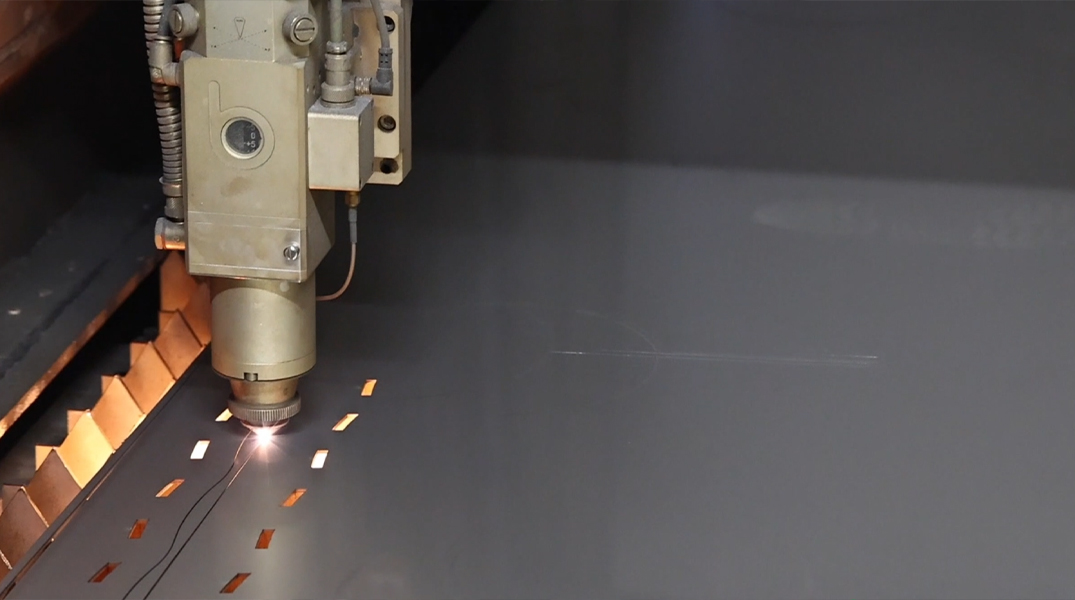
Laser Cutting: A highly precise and versatile method, ideal for complex designs and tight tolerances. It’s a key service in our precision sheet metal fabrication offerings.
Plasma Cutting: Best for thicker materials, offering speed and power for robust industrial parts.
Waterjet Cutting: Uses a high-pressure stream of water and abrasive, perfect for materials sensitive to high heat from other processes.
Punching and Stamping: Creates holes or specific shapes using dies and presses, fundamental for high-volume metal stamping.
Beijing JCEN leverages state-of-the-art CNC machining and cutting technology to ensure flawless accuracy, minimal material waste, and clean edges ready for the next fabrication stage. Our metal fabrication services begin with cutting strategies optimized for cost-effectiveness and quality.
2. Bending: Forming the Angle and Structure
Once cut, the metal sheets are formed into three-dimensional shapes through bending. This process requires expert knowledge to account for metal forming properties and springback.
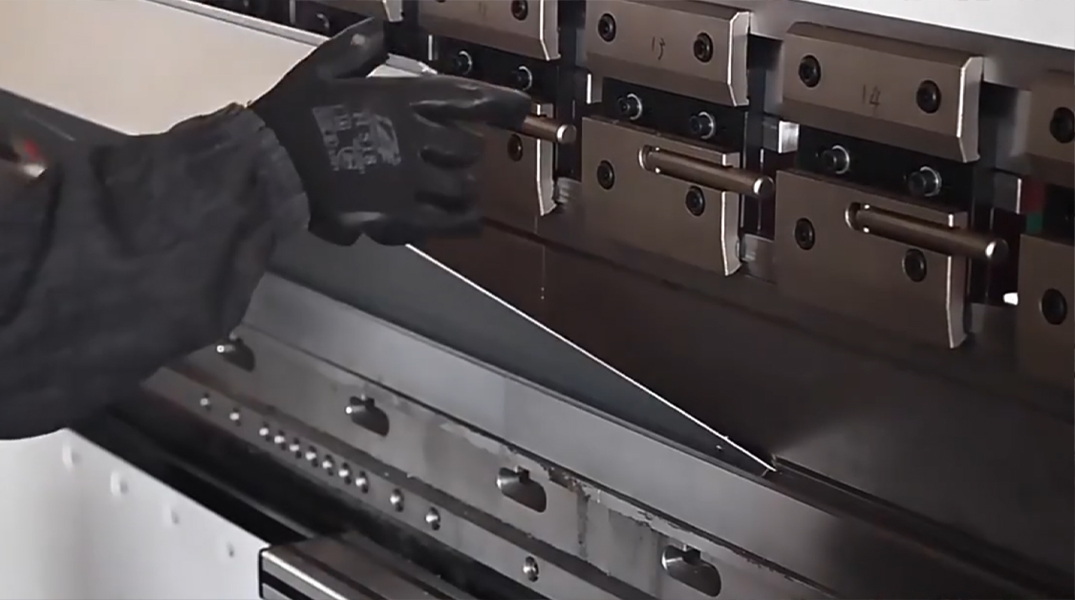
Press Brake Forming: The most common method, using a press brake and precision-designed dies to create consistent, accurate bends. Our sheet metal design expertise ensures bend allowances are perfectly calculated.
Roll Bending: Used for creating curved or cylindrical parts like tubes and housings.
Folding: A specialized technique for specific fabrication needs.
With experience since 1997, Beijing JCEN technicians expertly handle a vast range of materials and thicknesses. Our prototyping and custom sheet metal fabrication processes rely on this deep metalworking knowledge to produce durable, dimensionally perfect parts every time.
3. Assembling: Bringing Components Together
The final basic type involves joining the fabricated pieces into a finished product. The right assembly technique is vital for structural integrity and appearance.
Welding: A permanent joining method, with techniques like MIG, TIG, and spot welding & riveting chosen based on the material and application. This is a core part of our welding and fabrication capabilities.
Riveting: A mechanical fastening process ideal for parts that may require disassembly.
Adhesive Bonding: Uses industrial-strength adhesives for certain materials and designs.
Fastening with Screws/Bolts: Allows for non-permanent assembly and easy maintenance.
Beijing JCEN’s assembly department ensures strong, clean, and reliable joints. Whether for electrical enclosures, machine components, or custom enclosures, our final product assembly meets rigorous quality control standards.
Why Beijing JCEN’s Experience Since 1997 Makes the Difference
Mastering cutting, bending, and assembling is just the start. True excellence in sheet metal fabrication comes from decades of applied knowledge, investment in technology, and a commitment to quality.
End-to-End Solutions: We are a full-service metal fabricator offering laser cutting, CNC punching, bending, welding, powder coating, and finishing services.
Material Expertise: We work with aluminum, stainless steel, cold rolled steel, galvanized steel, and more, providing expert material selection advice.
Industry-Specific Knowledge: Our solutions serve aerospace, automotive, telecommunications, industrial equipment, and construction sectors.
Quality & Precision: From CAD design and engineering support to precision machining and final inspection, our quality control is unmatched.
Efficiency & Scalability: We support both low-volume prototype fabrication and high-volume production runs, ensuring cost-effective fabrication and reliable lead times.
Partner with a Trusted Expert
Since 1997, Beijing JCEN has been a leader in transforming raw metal into critical components and assemblies. Our deep-rooted expertise in the three basic types of sheet metal fabrication, combined with advanced technology and a client-focused approach, ensures your project’s success from concept to completion.
Contact Beijing JCEN today to discuss your project requirements and experience the difference that dedication to excellence since 1997 can make.
Beijing JCEN offers all three processes in-house. Explore our sheet metal fabrication services or get a free quote.
Related capabilities
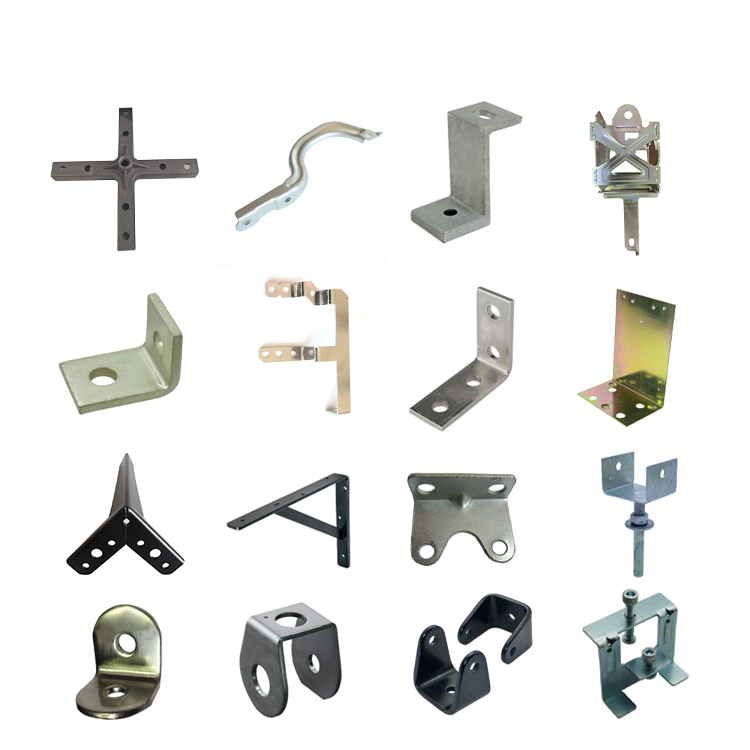
We produce parts of this type with sheet metal fabrication. We also manufacture for Automotive and EV and Electronics and electrical programmes.
Frequently asked questions
What are the three basic types of sheet metal fabrication?
The three basic types are cutting, bending, and assembling. Cutting divides large sheets into smaller workable pieces. Bending forms the metal into three-dimensional shapes. Assembling joins the fabricated pieces into a finished product. Together these processes transform flat metal sheets into specific shapes and structures for industrial, automotive, aerospace, and electronic applications.
Which cutting techniques are available?
Cutting uses laser cutting for precise, versatile work on complex designs and tight tolerances, plasma cutting for thicker materials, and waterjet cutting for materials sensitive to high heat. Punching and stamping create holes or specific shapes using dies and presses, which is fundamental for high-volume metal stamping.
How are the fabricated pieces joined together?
Assembling joins the fabricated pieces into a finished product. Welding is a permanent method, with techniques such as MIG, TIG, and spot welding chosen based on the material and application. Riveting is a mechanical fastening process ideal for parts that may need disassembly, and adhesive bonding uses industrial-strength adhesives for certain materials and designs.


