


Waterjet Cutting vs Laser Cutting: Key Advantages and Applications in Sheet Metal Fabrication
In the world of sheet metal fabrication, selecting the right cutting technology is crucial for efficiency, precision, and cost-effectiveness. Two of the most prominent methods are waterjet cutting and laser cutting. Each offers unique benefits and is suited for specific applications. This article explores the advantages and typical use cases of both, highlighting how Beijing Jiacheng, a leader with experience since 1997 in sheet metal processing, expertly utilizes these technologies to meet diverse industrial needs.
Understanding the Technologies
Waterjet Cutting utilizes a high-pressure stream of water, often mixed with an abrasive substance like garnet, to slice through materials. It’s essentially a cold-cutting process.
Laser Cutting employs a focused, high-power laser beam to melt, burn, or vaporize material, resulting in a precise cut. It is a thermal process.
Advantages of Waterjet Cutting
No Heat-Affected Zone (HAZ): As a cold-cutting process, waterjet cutting introduces no thermal stress or distortion, preserving the material’s intrinsic properties.
Material Versatility: It can cut virtually any material—from metals like stainless steel and aluminum to stone, glass, composites, and plastics—without altering their structure.
Thick Material Capacity: Excels at cutting very thick materials (up to 200mm+ for softer materials) that are challenging for standard lasers.
Environmental & Safety: Produces no hazardous fumes or gases, making it a cleaner process.
Advantages of Laser Cutting
Extreme Precision and Accuracy: Offers exceptional precision cutting, tight tolerances, and the ability to produce intricate contours and complex geometries.
High Speed and Efficiency: For thin to medium-thickness sheets, laser cutting is significantly faster, boosting productivity for high-volume runs.
Superior Edge Quality: Often delivers a smoother edge finish on metals, reducing or eliminating the need for secondary finishing processes like deburring.
Excellent for Intricate Work: Ideal for detailed metal fabrication, sheet metal parts, and creating fine features like small holes and sharp corners.
Key Application Scenarios
Waterjet Cutting Applications:
CNC machining of thick plates for heavy machinery and structural components.
Cutting heat-sensitive materials (e.g., tempered glass, certain aerospace composites).
Fabrication of materials that react poorly to heat, such as titanium in some cases.
Creating prototypes and one-off parts from exotic materials without tooling costs.
Laser Cutting Applications:
High-volume production of sheet metal components for electronics enclosures, chassis, and brackets.
Creating intricate parts for the automotive industry and medical equipment.
Precision sheet metal work requiring welding-ready edges.
Custom metal fabrication for architectural metalwork and decorative panels.
Beijing Jiacheng: Expertise in Both Worlds
With sheet metal processing experience since 1997, Beijing Jiacheng strategically integrates both waterjet and laser cutting to offer unmatched manufacturing solutions. Our expertise ensures the optimal technology is chosen for every project.
For Precision & Volume: Our advanced fiber laser cutting systems handle carbon steel, stainless steel sheets, and aluminum sheets with speed and accuracy, ensuring efficient production of custom sheet metal parts, from mounting plates to electrical enclosures.
For Versatility & Complexity: Our CNC waterjet cutting capabilities allow us to tackle projects involving thick metal plates, mixed materials, or sensitive alloys without thermal damage, perfect for industrial machinery components or specialized fabrication services.
Our comprehensive manufacturing process includes design and engineering, precision cutting, forming and bending (using advanced press brakes), welding (TIG, MIG, spot welding), assembly, and surface finishing like powder coating. We specialize in precision metal fabrication, metal stamping, prototype development, and full production runs.
Choosing Between Waterjet and Laser
The choice depends on your project’s specific requirements:
Choose Waterjet for thick materials, heat-sensitive materials, or when no HAZ is critical.
Choose Laser for high-speed, high-precision cutting of thin to medium-thickness metals with excellent edge quality.
Conclusion
Both waterjet and laser cutting are indispensable tools in modern sheet metal manufacturing. By understanding their strengths—waterjet’s versatility and cold-cutting, versus laser’s speed and precision—manufacturers can make informed decisions. Partnering with an experienced provider like Beijing Jiacheng guarantees access to both technologies, backed by deep expertise in metal forming, assembly, and quality control to deliver superior metal products and sheet metal assemblies for every application. Contact us to leverage our 28-year legacy for your next sheet metal fabrication project.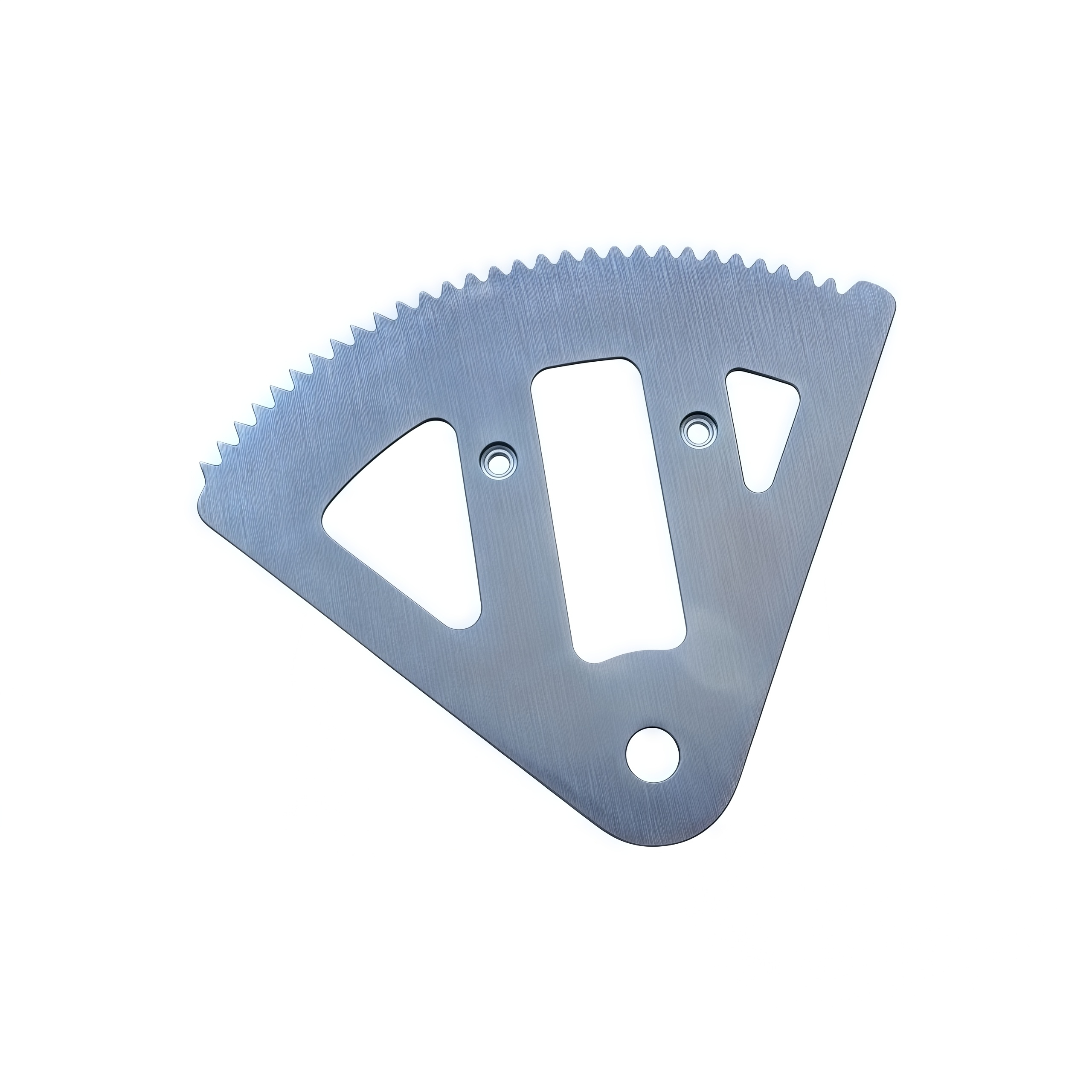
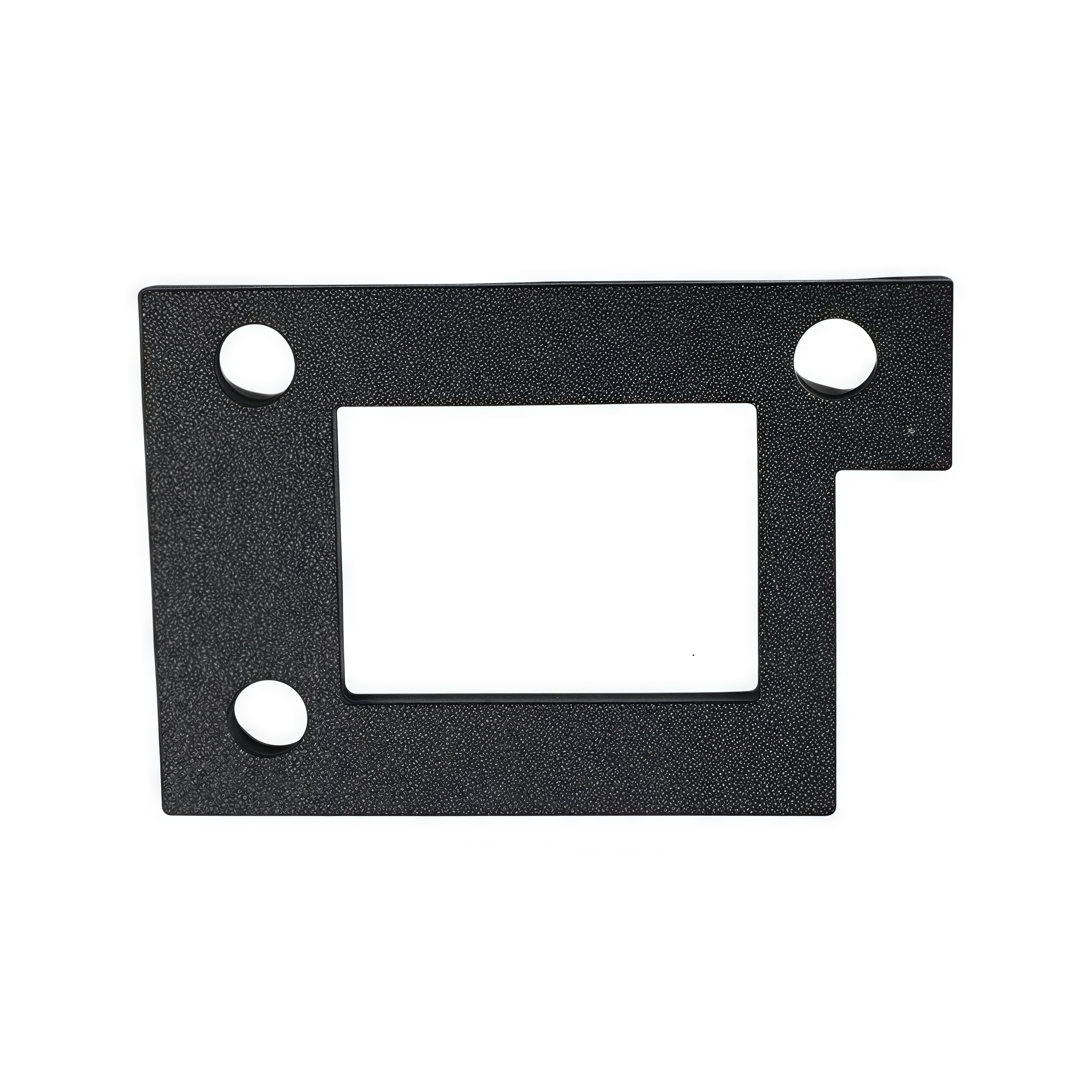
Related capabilities
We produce parts of this type with custom laser cutting. We also manufacture for Industrial machinery and Automotive and EV programmes.
Key facts
| Item | Detail |
|---|---|
| Waterjet process | High pressure water with abrasive, a cold cutting method |
| Laser process | Focused high power beam, a thermal method |
| Waterjet heat effect | No heat affected zone |
| Waterjet thickness | Very thick material, up to 200 mm and more for softer materials |
| Laser strength | Speed and precision on thin to medium thickness metals |
| Company experience | 28 years in sheet metal fabrication |
The WaterJet Technology Association publishes further technical material on waterjet processes.
Frequently asked questions
What is the main difference between waterjet and laser cutting?
Waterjet cutting uses a high pressure stream of water mixed with abrasive to slice through material, so it is a cold cutting process. Laser cutting uses a focused high power beam to melt, burn, or vaporize material, which makes it a thermal process. The difference decides which materials each method suits.
When should waterjet cutting be chosen?
Waterjet cutting is the better fit for thick materials, heat sensitive materials, or when no heat affected zone is acceptable. Because it introduces no thermal stress, it preserves the properties of the workpiece. The process can also cut very thick sections that standard lasers find difficult.
When is laser cutting the better choice?
Laser cutting suits high speed, high precision work on thin to medium thickness metals. It delivers a smoother edge finish on metals, which can reduce or remove secondary finishing such as deburring, and it is efficient for high volume runs where speed matters.


