


In the world of sheet metal fabrication, selecting the right joining method is crucial for the strength, durability, and cost-effectiveness of the final product. Three primary techniques dominate the industry: metal riveting, adhesive bonding, and welding. Each has its distinct advantages and limitations. This guide explores these methods and provides guidance on selection, drawing on the deep expertise of Beijing Jiacheng, a company with experience in precision sheet metal fabrication since 1997.
Metal Riveting: The Mechanical Fastener
Riveting is a mechanical fastening process where a metal pin (rivet) is inserted through holes in the parts to be joined and its end is deformed to hold the pieces together securely.
Advantages:
No Heat Affected Zone (HAZ): Unlike welding, it doesn’t alter the metallurgical properties of the sheet metal parts, making it ideal for heat-sensitive materials.
Suitability for Dissimilar Metals: Excellent for joining different metals or metal alloys that are difficult to weld together.
Ease of Inspection: Joint integrity is visually verifiable.
Reliability in Vibration: Often used in aerospace components and automotive parts for its vibration resistance.
Simple Tooling: Often requires less complex equipment than welding.
Disadvantages:
Stress Concentrations: Holes create points of stress, potentially weakening the base material.
Added Weight: Rivets add mass, a consideration in lightweight design for electronic enclosures or vehicle frames.
Aesthetics: Visible fastener heads may not be desirable for certain custom metal designs.
Labor Intensity: Can be more time-consuming for high-volume production compared to automated welding.
Adhesive Bonding: The Distributed Strength
This process uses high-strength industrial adhesives to bond sheet metal surfaces, distributing stress across a wide area.
Advantages:
Excellent Stress Distribution: Eliminates stress concentrations around holes, beneficial for thin gauge sheet metal.
Sealing and Insulation: Adhesives can seal against moisture, dust, and provide electrical insulation.
Smooth Finish: Creates seamless joints with no visible fasteners or weld marks, perfect for high-end metal cabinets and architectural metalwork.
Joining Dissimilar Materials: Effective for bonding metals to composites or plastics.
Vibration Damping: Adhesives absorb energy and reduce noise.
Disadvantages:
Surface Preparation: Requires meticulous metal surface treatment like cleaning and priming for optimal adhesion.
Curing Time: Needs time to reach full strength, impacting production speed.
Environmental Sensitivity: Performance can be affected by temperature, humidity, and chemicals.
Disassembly and Repair: Bonded joints are typically permanent and difficult to repair non-destructively.
Welding: The Metallurgical Fusion
Welding involves melting the base metals at the joint, often with a filler material, to create a permanent, strong metallurgical bond upon solidification.
Advantages:
Extreme Strength: Produces the strongest possible joints, often as strong as or stronger than the base metal, essential for structural steel fabrication and heavy-duty industrial machinery.
Permanent and Sealed: Creates a leak-proof, monolithic structure.
Design Flexibility: Allows for complex geometries and is integral to many metal forming and fabrication welding processes.
Material Efficiency: Adds minimal extra weight compared to mechanical fasteners.
Disadvantages:
Heat Distortion and HAZ: High heat can warp thin sheets and weaken the surrounding material zone.
Skill-Dependent: Quality heavily relies on the skill of the welding technician.
Equipment Cost: Advanced welding systems (laser welding, MIG/TIG) represent a significant investment.
Not for All Materials: Some metals and metal alloys are challenging to weld without specialized techniques.
How to Choose the Right Joining Method?
The choice depends on a careful analysis of your project’s requirements:
Material Type: Are you joining aluminum fabrication, stainless steel, galvanized steel, or dissimilar materials?
Design Requirements: Is the joint structural or non-structural? Is weight critical (as in aerospace components)? Is a smooth aesthetic needed?
Production Environment: What are the loads (static, dynamic, fatigue)? Will it face corrosion, requiring specific metal finishing or powder coating?
Manufacturing Constraints: What is the production volume? What are the cost targets? How critical is disassembly for maintenance?
Leverage Expertise Since 1997 with Beijing Jiacheng
Navigating these choices requires deep practical knowledge. This is where partnering with an expert becomes invaluable. Beijing Jiacheng brings hands-on experience since 1997 in precision sheet metal fabrication and CNC machining to every project.
Our expertise encompasses the entire sheet metal manufacturing process—from initial CAD/CAM design and laser cutting to metal stamping, bending and forming, and the critical joining phase. We don’t just execute; we consult. For a protective equipment housing, we might recommend welding for strength and seal. For a lightweight aircraft interior panel, adhesive bonding or specialty riveting could be optimal. For high-volume automotive brackets, automated welding or progressive die stamping with integrated fastening may be the most efficient solution.
We master a full suite of secondary processes including deburring, grinding, metal polishing, and various finishing services like anodizing and spray painting to ensure the final product meets exact specifications for durability and appearance.
Conclusion:
There is no one-size-fits-all answer in joining technology. The optimal choice balances material science, design intent, and production efficiency. By understanding the core principles of riveting, bonding, and welding, and by collaborating with a seasoned partner like Beijing Jiacheng, you can ensure your sheet metal assembly achieves the perfect blend of strength, functionality, quality, and value. Trust in proven experience for your next metal fabrication project.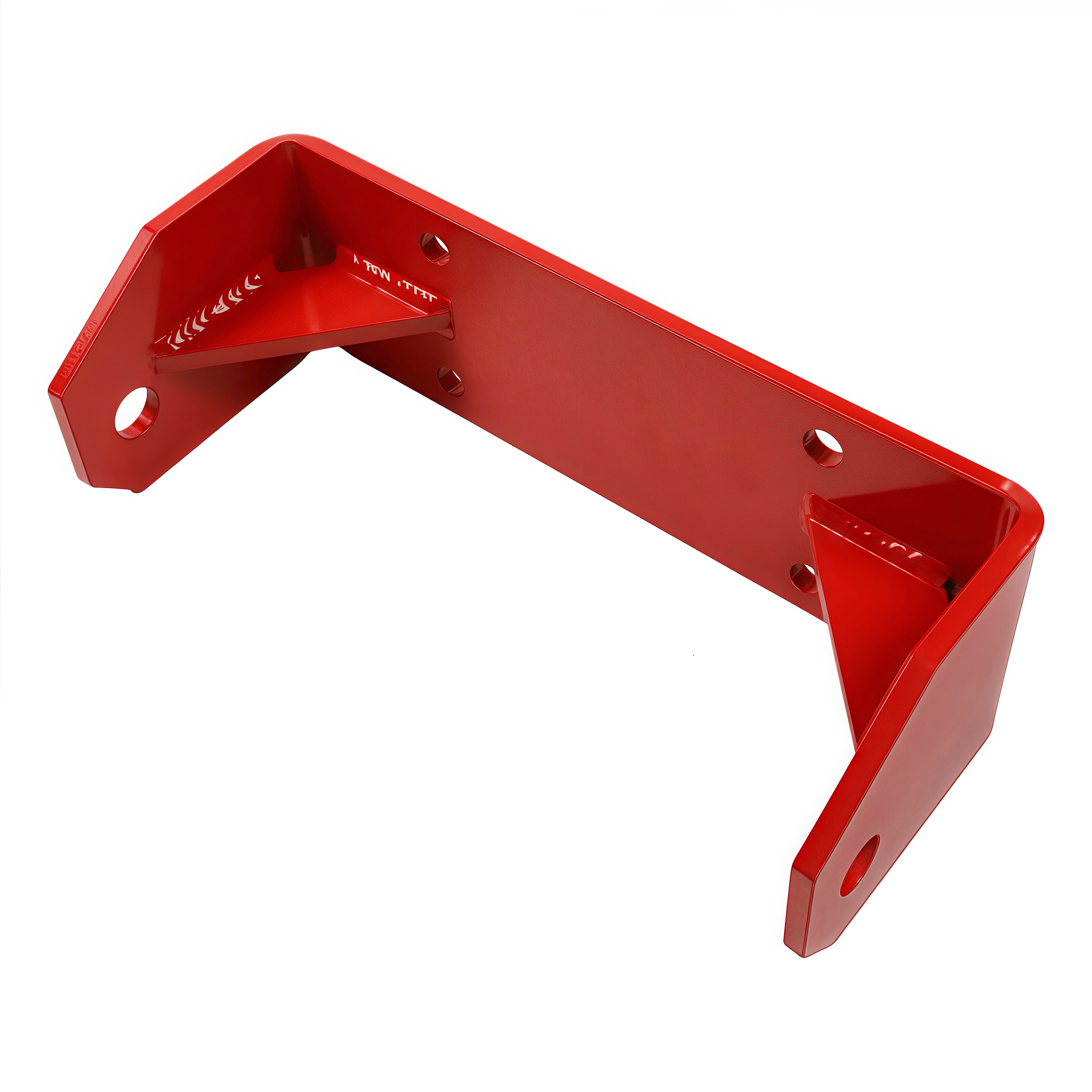
Related capabilities
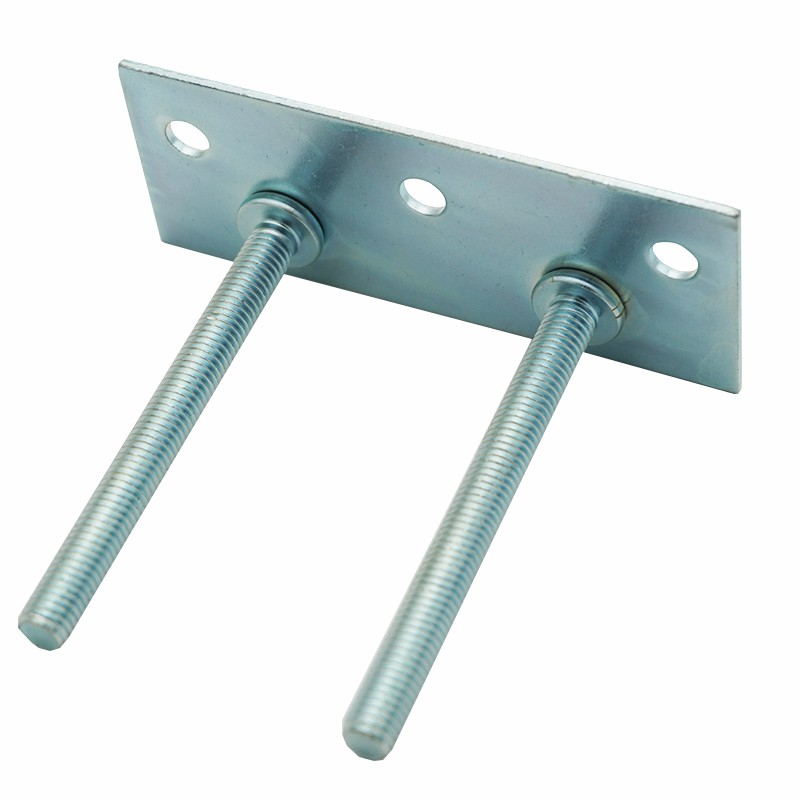
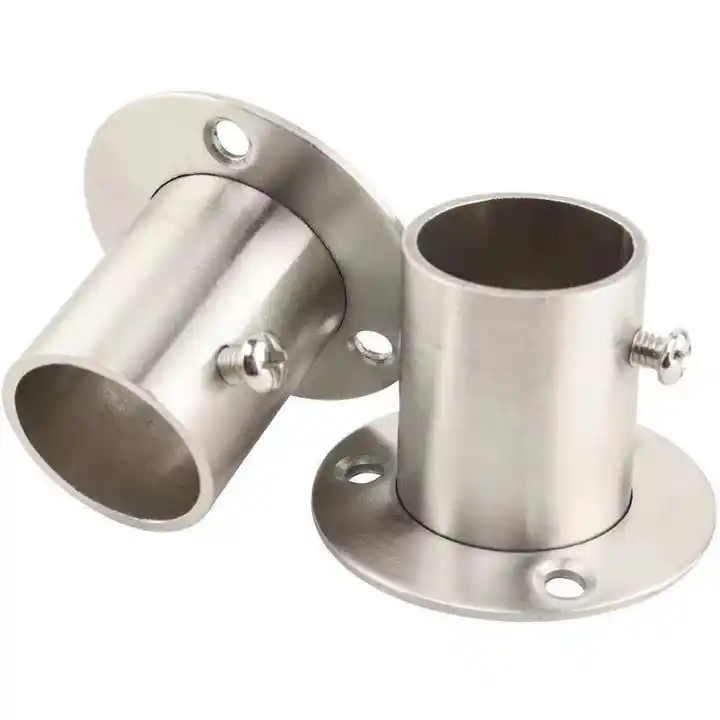
We produce parts of this type with metal welding. We also manufacture for Automotive and EV and Electronics and electrical programmes.
Frequently asked questions
What are the main advantages of metal riveting compared with welding?
Riveting does not create a heat affected zone, so it does not alter the metallurgical properties of sheet metal parts and suits heat-sensitive materials. It is excellent for joining dissimilar metals that are hard to weld together, joint integrity is visually verifiable, and it is often chosen for aerospace components and automotive parts because of its vibration resistance.
When is adhesive bonding a better choice than welding or riveting?
Adhesive bonding distributes stress over a wide area and eliminates stress concentrations around holes, which benefits thin gauge sheet metal. It can seal against moisture and dust, provide electrical insulation, create seamless joints with no visible fasteners, bond metals to composites or plastics, and absorb energy to reduce noise and vibration.
How should the right joining method be chosen?
The choice depends on a careful analysis of the project requirements. Material type matters, as does whether the joint is structural and how critical weight is. The production environment and the loads it will face are important too, along with manufacturing constraints such as production volume, cost targets and how critical disassembly is for maintenance.


