


Related capabilities
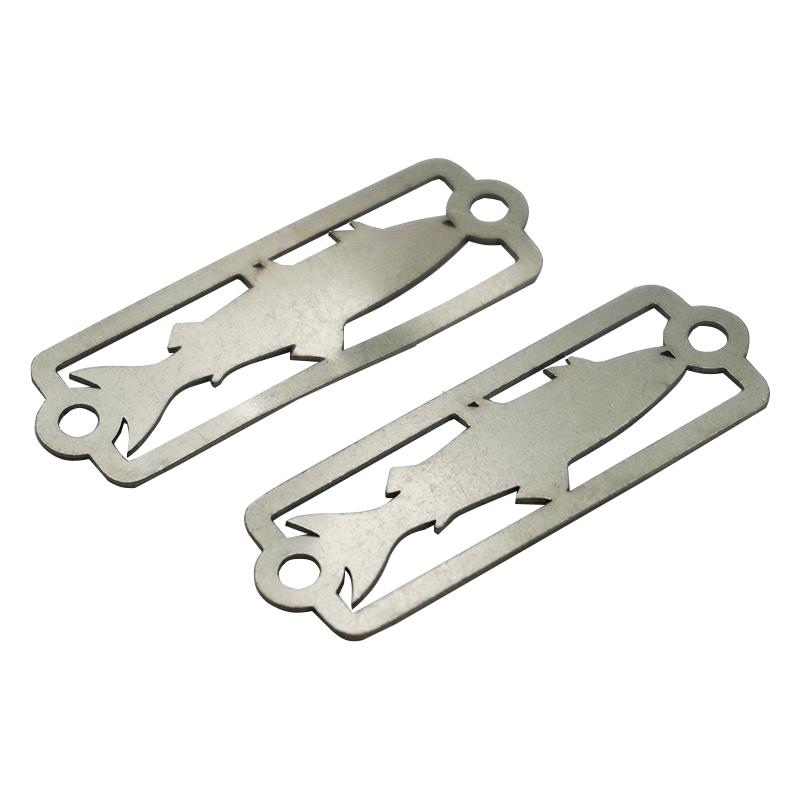
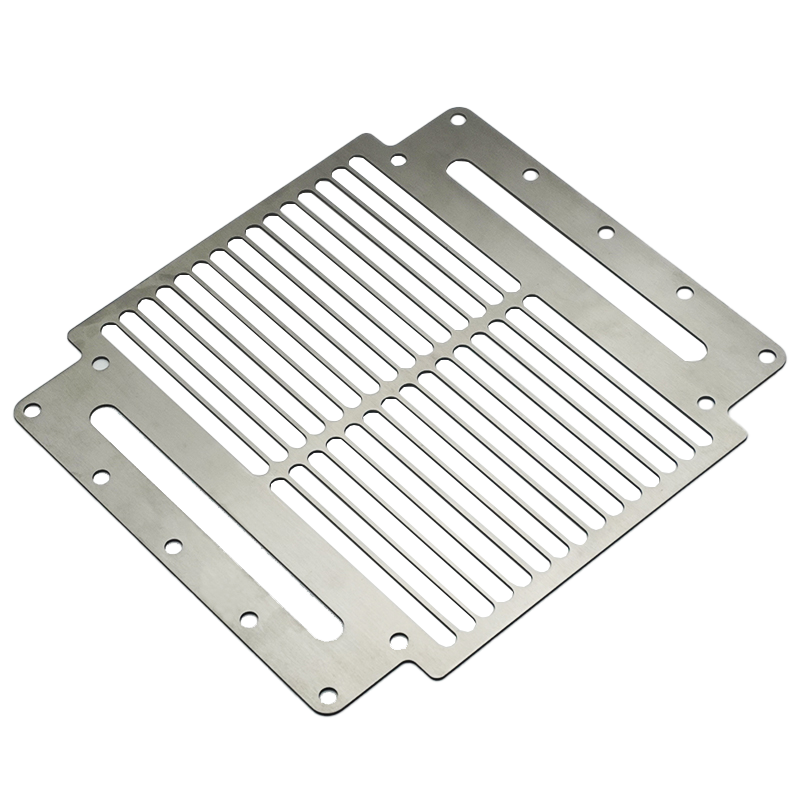
We produce parts of this type with custom laser cutting. We also manufacture for Electronics and electrical and Automotive and EV programmes.
Frequently asked questions
Which metals can be processed by laser cutting?
Laser cutting handles carbon and mild steel, stainless steel, aluminum alloys, copper and brass, and titanium. Carbon and mild steel are the most commonly cut materials, offering excellent speed and cutting quality with clean edges ideal for later welding or bending, while stainless steel is favored for corrosion resistance and aluminium alloys suit lightweight parts in aerospace, automotive and electronics enclosures.
Can laser cutting cut non-metallic materials?
Yes. The versatility of laser cutting extends to many non-metallics. Plastics and acrylics such as acrylic (PMMA) cut smoothly, leaving a polished edge, while polycarbonate and ABS are processable with correct settings. Wood, fabric and leather are ideal for intricate decorative elements, prototypes or specialized components, and certain composites and engineered materials can also be precisely cut.
Does laser cutting work on reflective metals like copper, brass and titanium?
Yes, though they need carefully tuned settings. Copper and brass have high reflectivity that requires carefully tuned laser settings to achieve a clean cut without excessive power consumption. Titanium, used in high-performance sectors, often requires laser cutting in a controlled atmosphere to prevent oxidation and embrittlement. Handling these consistently requires deep process knowledge.


