


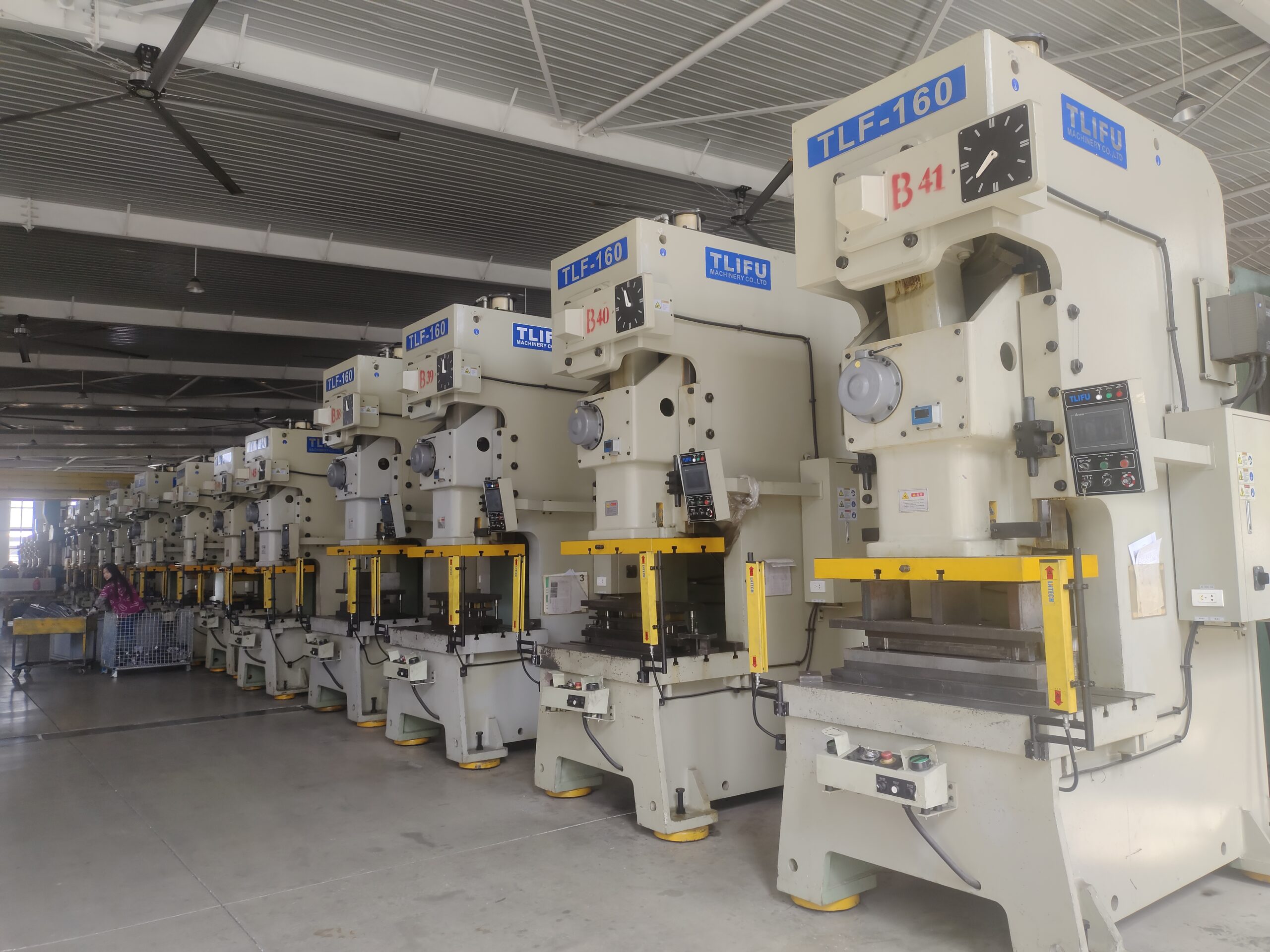
Key Factors Influencing Metal Stamping Costs
Material Type and Thickness
Costs vary significantly based on material choices such as stainless steel, aluminum, or carbon steel. Thicker gauges or specialized alloys may increase expenses due to higher raw material prices and processing demands.Production Volume
High-volume orders typically reduce per-unit costs. For instance, precision metal stamping parts range from 8.63 per piece, with bulk orders benefiting from economies of scale.Design Complexity
Intricate geometries or tight tolerances require advanced tooling and multi-stage progressive dies, raising upfront tooling costs. However, automated processes and multi-axis CNC machines help optimize long-term production efficiency.Secondary Processes
Post-stamping treatments like plating, powder coating, or heat treatment add to costs. For example, Boyd Corporation highlights services such as laser welding, polishing, and cleanroom assembly, which ensure compliance with international standards.Geographic Manufacturing Hub
China dominates the global metal stamping market due to cost-effective labor, advanced automation, and robust supply chains. Manufacturers like JCEN leverage these advantages to offer competitive pricing without compromising quality.
Why Choose Chinese Manufacturers Like JCEN?
With over 28 years of expertise, JCEN exemplifies China’s leadership in metal stamping. Here’s how they stand out:
Precision and Reliability: Advanced cold stamping, deep drawing, and multi-station progressive dies ensure micron-level accuracy for automotive and aerospace components.
Customization: Tailored solutions meet unique client specifications.
Cost Efficiency: JCEN’s automated production lines and strict ISO 9001 compliance reduce waste, achieving a CAGR of 5-7% in cost savings for clients.
Market Trends and Pricing Outlook
The global metal stamping market, valued at millions USD in 2025, is projected to grow steadily, driven by rising demand in electric vehicles and renewable energy sectors. China remains a pivotal player, exporting stamped parts to the U.S., Europe, and Southeast Asia.
Conclusion
Metal stamping costs depend on material, volume, and design needs, but partnering with experienced manufacturers like JCEN ensures optimal pricing and quality. Their 28-year track record in precision engineering and adaptive manufacturing processes positions them as a top choice for global clients.
Related capabilities
We produce parts of this type with custom metal stamping. We also manufacture for Automotive and EV and Energy and power infrastructure programmes.
Key facts
| Item | Detail |
|---|---|
| Processes | Cold stamping, deep drawing and multi-station progressive dies |
| Materials | Stainless steel, aluminium and carbon steel |
| Main cost drivers | Material type and thickness, production volume, design complexity and secondary processes |
| Secondary processes | Plating, powder coating and heat treatment |
| Tooling | Multi-stage progressive dies carry an upfront tooling cost |
| Quality system | ISO 9001:2015 |
| Experience | 28 years in precision stamping |
Frequently asked questions
What affects the cost of a stamped part?
The main factors are the material type and thickness, the production volume, the design complexity and any secondary processes. Higher volumes lower the per-unit cost through economies of scale, while intricate geometry or tight tolerances raise upfront tooling cost because they need multi-stage progressive dies.
Do higher volumes reduce the price per piece?
Yes. High-volume orders typically reduce per-unit costs, because the upfront tooling is spread across more pieces and the automated lines run more efficiently. The trade-off is that the die is a fixed cost, so the saving appears only once the volume is large enough to recover it.
What secondary processes add cost?
Post-stamping treatments such as plating, powder coating and heat treatment add to the cost of the part. They are additional operations beyond the stamping itself, so a drawing that avoids an unnecessary treatment keeps the price lower. Where a treatment is required, specify it on the drawing so it is included in the quote.
For an independent industry association on metalforming, see the Precision Metalforming Association.


