


Introduction to Deep Drawing
Deep drawing is a cornerstone of precision metal forming, enabling the creation of complex, high-strength components with exceptional accuracy. This process involves shaping flat sheet metal into three-dimensional parts using progressive dies and hydraulic presses. Industries such as automotive, aerospace, and electronics rely on deep drawing parts for critical applications like fuel systems, enclosures, and structural components.
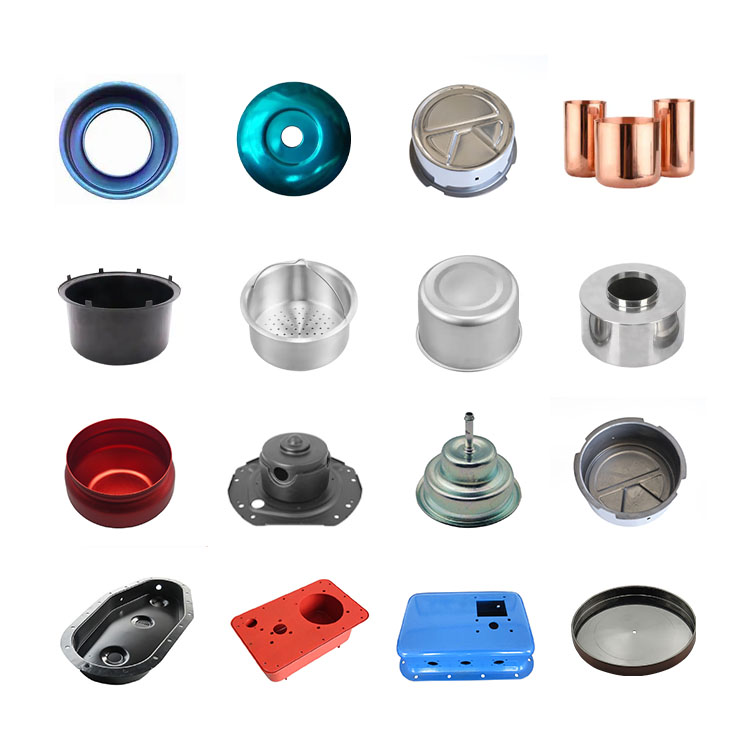
Key Materials for High-Quality Deep Drawing
- Stainless Steel (430 Grade): Known for corrosion resistance and durability, 430 stainless steel is widely used in industrial and consumer applications.
- Aluminum: Lightweight and malleable, ideal for aerospace and automotive parts requiring precision and reduced weight.
- Copper and Brass: Preferred for electrical components due to excellent conductivity.
The Deep Drawing Process: Steps to Precision
- Material Selection: Choose grades based on tensile strength and end-use requirements.
- Tooling Design: Custom dies ensure dimensional accuracy and reduce material waste.
- Lubrication: Minimizes friction during forming, enhancing surface finish.
- Progressive Stamping: Multi-stage presses shape the metal incrementally for complex geometries.
Applications Across Industries
- Automotive: Fuel tanks, exhaust systems, and battery casings.
- Aerospace: Lightweight structural panels and engine components.
- Electronics: EMI shielding enclosures and connector housings.
Ensuring Quality in Deep Drawing
- Thermal Management: Controlled heating prevents material stress and cracking.
- Surface Finish: Polishing or coatings (e.g., powder coating) enhance corrosion resistance.
- Quality Testing: Techniques like tensile testing and 3D scanning validate tolerances.
Top 20 Keywords for Deep Drawing Parts
- Stainless steel deep drawing
- Custom metal stamping parts
- Precision sheet metal fabrication
- High-quality deep drawn components
- Aluminum deep drawing services
- Deep drawing sheet metal processing
- Metal forming techniques
- Deep drawn enclosures
- Automotive deep drawing parts
- Aerospace metal components
- Deep drawing tool design
- Stainless steel 430 fabrication
- Cost-effective deep drawing solutions
- Hydraulic press forming
- Prototype deep drawing services
- Thin-wall metal parts
- Deep drawing for electronics
- Metal cone fabrication
- High-tolerance forming
- Eco-friendly metal stamping
Related capabilities
We produce parts of this type with metal deep drawing. We also manufacture for Electronics and electrical and Automotive and EV programmes.
Key facts
| Process | Deep drawing of flat sheet metal into three dimensional parts using progressive dies and hydraulic presses |
| Typical materials | Stainless steel 430, aluminium, copper and brass |
| Typical parts | Fuel tanks, exhaust systems, battery casings, structural panels, engine components, enclosures and connector housings |
| Industries | Automotive, aerospace and electronics |
| Process steps | Material selection, tooling design, lubrication and progressive stamping |
| Quality checks | Tensile testing and 3D scanning to validate tolerances |
| Finishing | Polishing or coatings such as powder coating |
Frequently asked questions
What is deep drawing used for?
Typical deep drawn parts include fuel tanks, exhaust systems, battery casings, lightweight aerospace panels, engine components, enclosures and connector housings.
Which materials are used for deep drawing?
Stainless steel 430, aluminium, copper and brass. Material selection is based on tensile strength and the end-use requirement.
How is quality checked in deep drawing?
Quality is checked with tensile testing and 3D scanning to validate tolerances, with controlled heating to prevent stress and cracking and polishing or coatings to improve corrosion resistance.


