



Meta Description: Explore common surface defects in sheet metal fabrication and traditional machining. Learn how warping, burrs, and cracking impact product performance. Discover how Beijing Jiacheng’s experience since 1997 ensures precision and defect-free results.
In precision manufacturing, surface quality determines part performance. Industries relying on sheet metal fabrication must understand surface defects. This knowledge affects product lifespan and reliability. Since 1997, Beijing Jiacheng has mastered defect prevention across thousands of projects.
Surface integrity is not just about appearance. It indicates fatigue life, corrosion resistance, and structural strength. Below, we explore common surface defects in traditional machining and sheet metal stamping. We also analyze how they compromise product performance.
1. Warping and Distortion: The Stability Threat
Warping is a frequent challenge in sheet metal processing. It often results from residual stress release during cutting. Uneven heating and cooling during welding can also twist parts.
Impact on Performance: Warping compromises geometric tolerances. This leads to misalignment in final assemblies. In aerospace or automotive manufacturing, a warped chassis creates extra stress. Other components may fail prematurely. Beijing Jiacheng has experience since 1997. We use advanced CNC machining and proper fixturing. This minimizes thermal distortion during press braking and assembly.
2. Cracking: The Structural Catastrophe
Cracks are severe material failure indicators. They can occur during deep drawing, bending, or stretching. Material fatigue is a common cause. Excessive stress also triggers cracks. Hydrogen embrittlement affects harder materials too.
Impact on Performance: Cracks act as stress concentrators. Under load, even micro-cracks grow rapidly. This leads to catastrophic failure. It is critical for load-bearing parts in construction and heavy equipment. Beijing Jiacheng has decades of material science experience. We select appropriate alloys carefully. We use simulation software to predict material flow. This ensures the yield strength is never exceeded during forming.
3. Burrs and Sharp Edges: The Functional Hazard
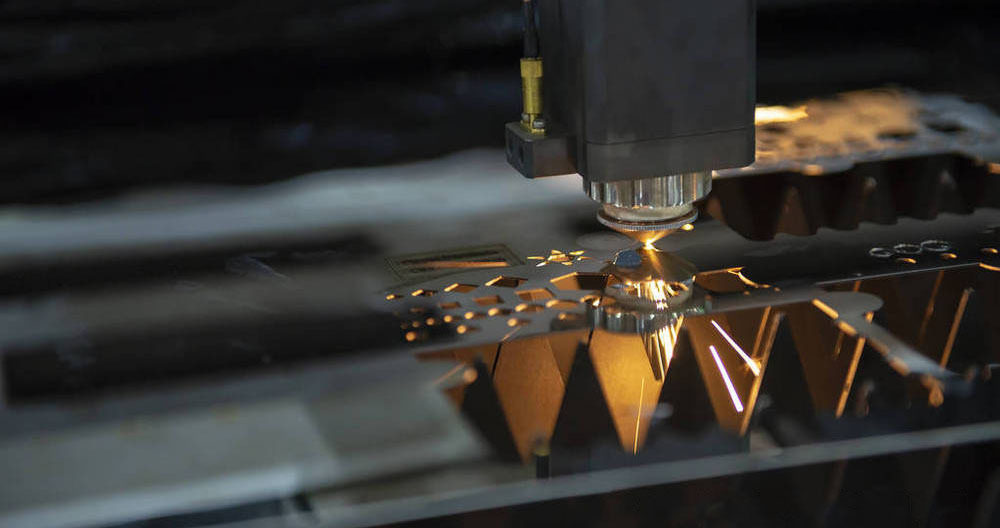
Burrs are raised edges left on metal after processing. They often appear after shearing, laser cutting, or milling. While seemingly minor, they affect precision machining quality.
Impact on Performance: Burrs interfere with mating parts. This causes assembly issues. In electrical enclosures or electronic chassis, loose burrs become contaminants. They may also cause short circuits. Sharp edges pose safety risks to handlers. At Beijing Jiacheng, post-processing is standard. We use deburring, grinding, and vibratory finishing. This ensures every edge is safe and functional.
4. Surface Roughness and Micro-Cracks: The Invisible Enemy
Beyond visible flaws, traditional machining leaves other issues. Grinding and turning can create high surface roughness. They may also cause microscopic tears. Sometimes, subsurface defects appear, like micro-cracks. These often link to built-up edge formations during cutting.
Impact on Performance: High surface roughness increases friction. This accelerates wear in moving parts. More dangerously, subsurface defects initiate fatigue cracks. Under cyclic loading, component lifespan drops drastically. Beijing Jiacheng engineers use sharp tooling. We employ optimized cooling systems. This ensures surface integrity at the microscopic level. It enhances the fatigue resistance of every part.
5. Springback: The Dimensional Nightmare
Springback is elastic recovery after bending. It is a natural phenomenon. After bending force removes, metal tries to return to its original shape.
Impact on Performance: Unaccounted springback causes inaccurate bend angles. Parts then fail fitment checks during assembly. It is a common hurdle in prototyping and low-volume production. Beijing Jiacheng leverages sheet metal fabrication data since 1997. We compensate for springback through precise tooling design. We use over-bending techniques. This ensures every bracket meets strict dimensional reports.
6. Scratches, Dents, and Contamination: Aesthetic and Protective Failure
Physical damage often occurs during material handling. Scratches and dents are common examples. Dirty lubricants can cause staining too. Improper storage also leads to surface issues.
Impact on Performance: While often cosmetic, deep scratches create stress risers. More importantly, scratches breach protective coatings. This exposes base metal to moisture. It leads to corrosion. For consumer electronics and medical devices, surface perfection is mandatory. Beijing Jiacheng maintains strict 5S protocols in its 60,000-square-meter facility. We use protective films. We practice careful material handling. From shearing to final packaging, we preserve surface quality.
7. Localized Necking and Excessive Thinning
During sheet metal forming like deep drawing, tensile stress can cause thinning. This condition is localized necking.
Impact on Performance: Thinned areas are structurally weaker. They cannot support designed loads. This is a critical failure mode in pressure vessels and automotive body panels. Advanced simulation and process control are required. Engineers must monitor principal in-plane strain components. Beijing Jiacheng has a team of 60 engineers. We use advanced forming simulations. This ensures uniform thickness distribution. It prevents weak spots in complex geometries.
How Beijing Jiacheng Mitigates These Risks
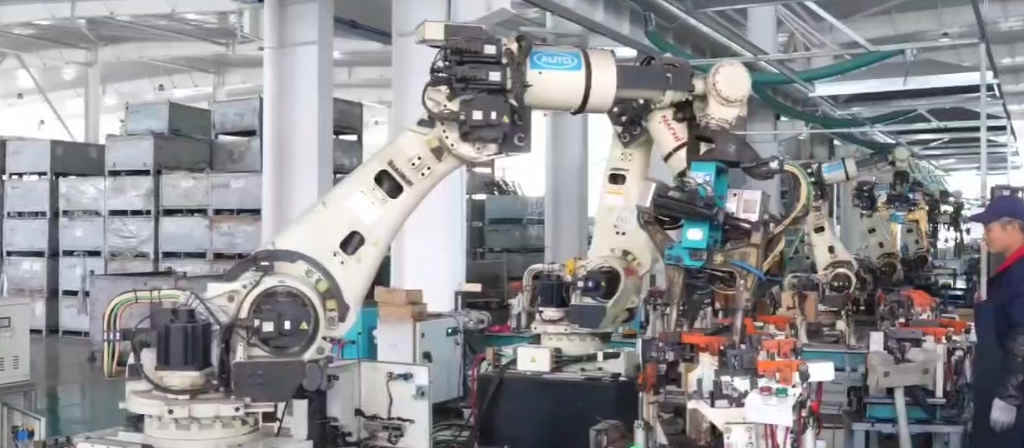
With experience in the metal industry since 1997, Beijing Jiacheng Technology Co., Ltd. has developed a holistic quality approach. We address defects before they occur. Our facility has advanced CNC punching, laser cutting, wire cutting, and welding robots. This ensures precision at every step.
Our capabilities include comprehensive surface treatment. This covers electrostatic spraying, plating (zinc, nickel, chrome), and powder coating. We control the environment from raw material inspection to final finishing. This prevents defects from contamination and handling.
Whether you need stamping, fabrication, or complex assembly, our knowledge since 1997 ensures quality. Your components will be defect-free and performance-optimized. We don’t just process metal. We engineer reliability.
Contact Beijing Jiacheng today to discuss your next project. Experience the difference that true craftsmanship makes in sheet metal manufacturing.
Related capabilities
We produce parts of this type with CNC machining. We also manufacture for Electronics and electrical and Automotive and EV programmes.
Frequently asked questions
What are the common surface defects in traditional machining?
The main defects are warping and distortion, cracking, burrs and sharp edges, surface roughness with micro-cracks, springback, scratches, dents and contamination, and localized necking with excessive thinning. Warping often comes from residual stress released during cutting and from uneven heating and cooling in welding.
How do burrs and sharp edges affect product performance?
Burrs interfere with mating parts and cause assembly issues. In electrical enclosures or electronic chassis, loose burrs become contaminants and may cause short circuits, and sharp edges pose safety risks to handlers. At Beijing Jiacheng, post-processing is standard, using deburring, grinding and vibratory finishing so every edge is safe and functional.
Why is springback a problem in bending and how is it compensated?
Springback is the elastic recovery that happens after bending, when the metal tries to return to its original shape once the bending force is removed. Unaccounted springback causes inaccurate bend angles, and parts then fail fitment checks during assembly. Beijing Jiacheng compensates through precise tooling design and over-bending techniques so every bracket meets strict dimensional reports.


