


Industry gateway
Metal fabrication for six sectors, with decisions shaped by documentation, surface and finish, inspection, material and environment requirements. We match the application to the process and the evidence buyers need before production.
Buyer requirements, at a glance. Material traceability, corrosion environment, appearance standard and volume stability can change the material, process and inspection evidence before geometry does.
Metal fabrication by industry
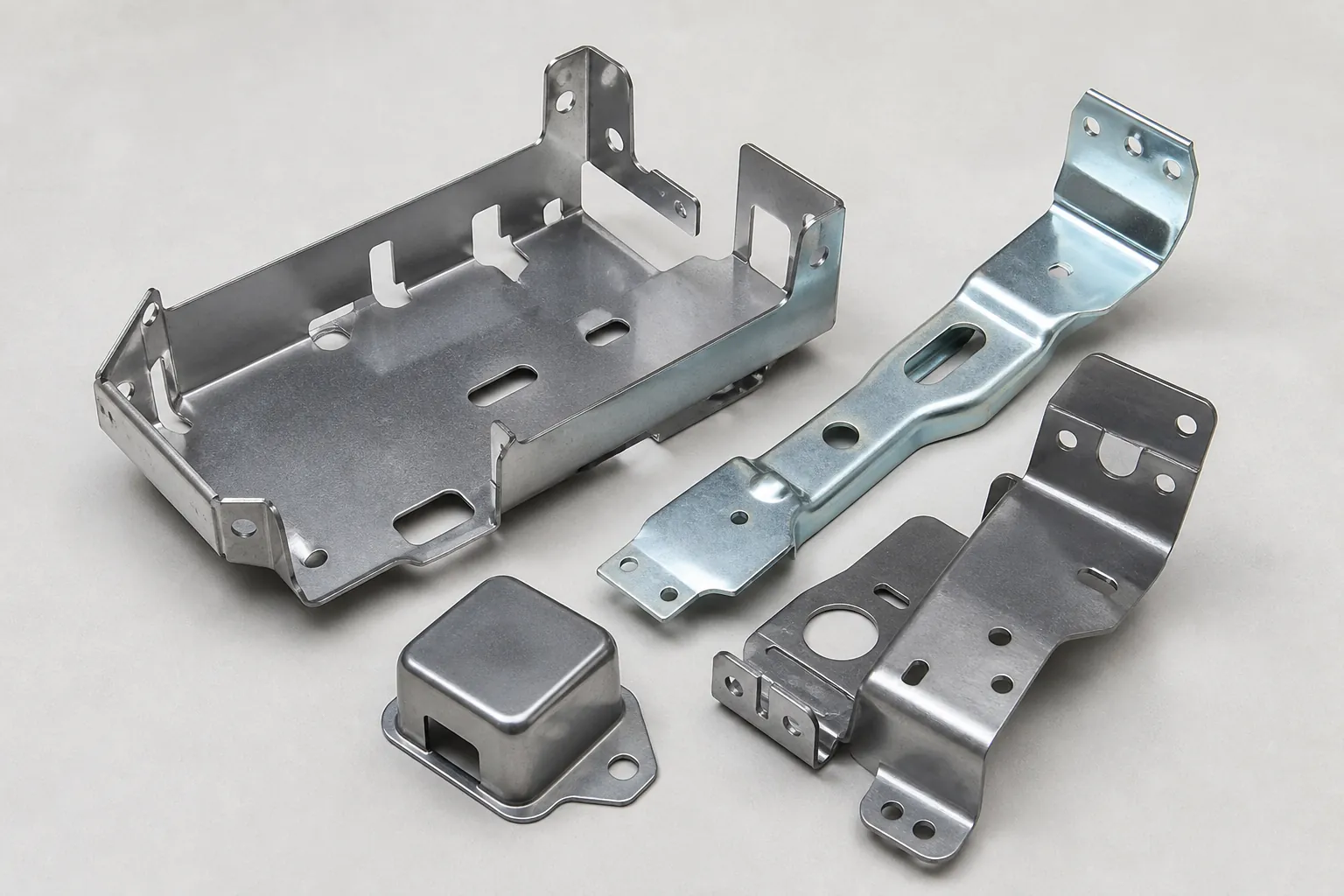
Automotive and EV
Battery brackets, busbar supports and chassis brackets: buyers prioritize repeatable stamped parts for stable high-volume runs.
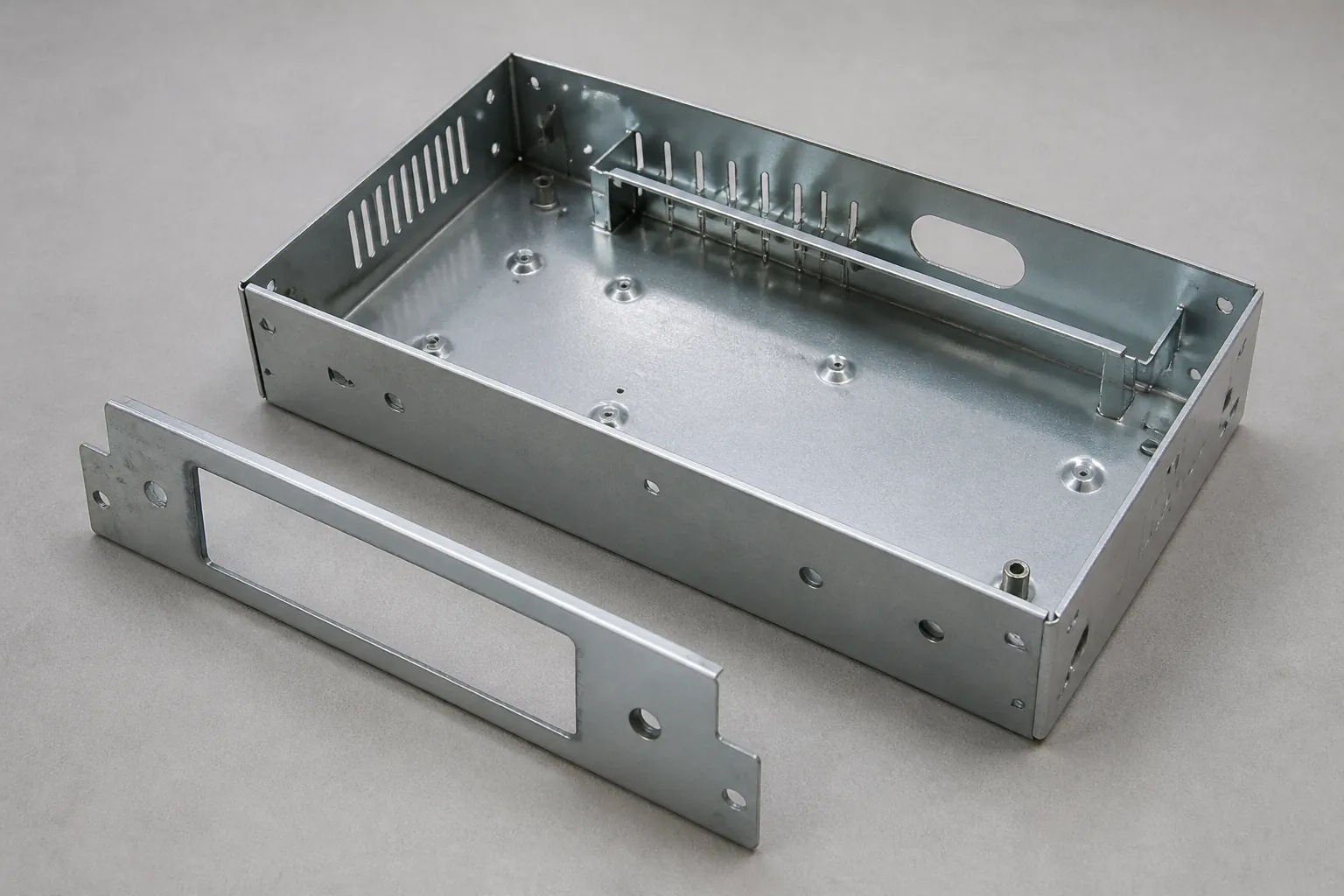
Electronics and electrical
Connectors, EMI shields and enclosure panels: buyers check fine features, flatness and a functional finish.
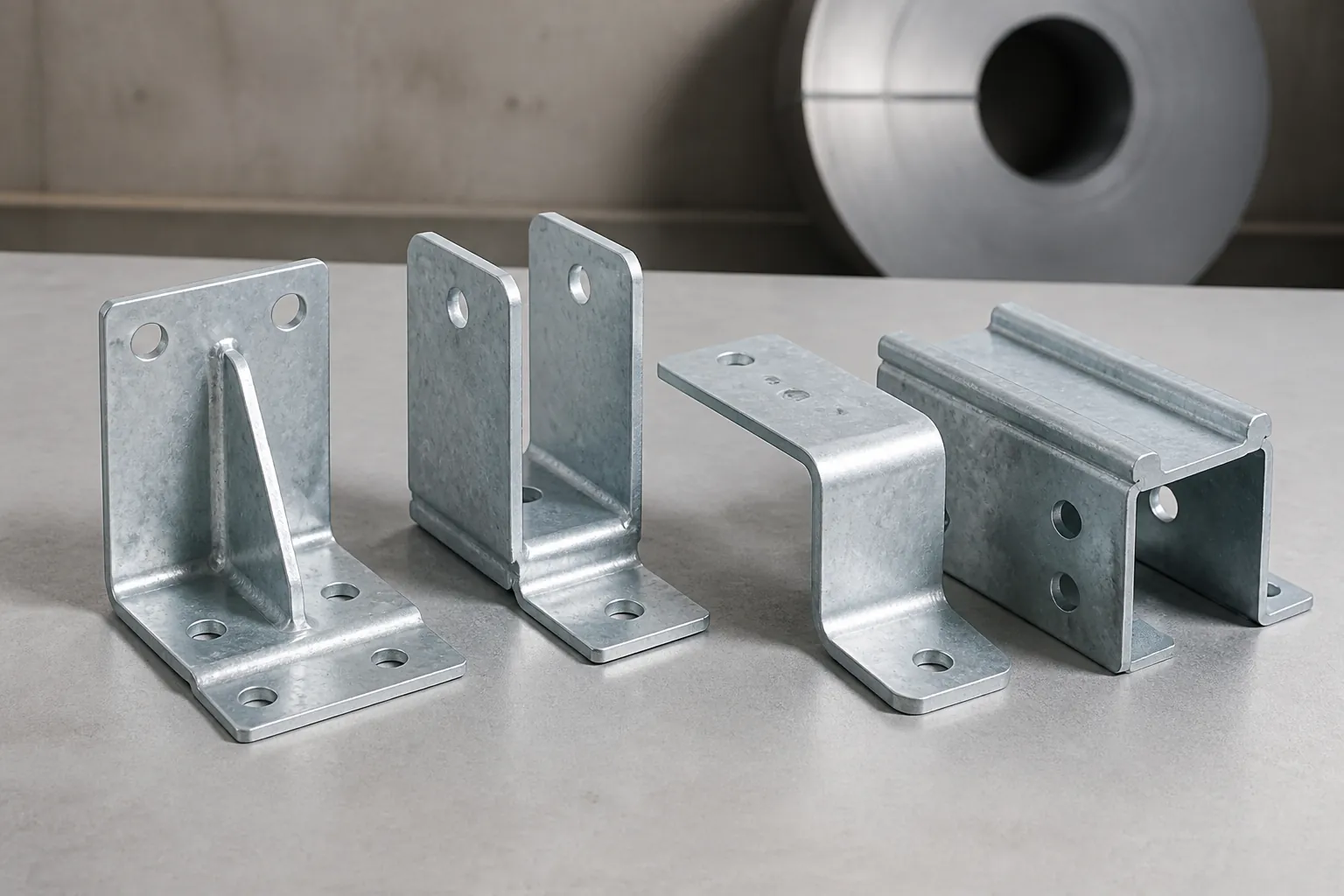
Energy and power infrastructure
Solar brackets, clamps and storage enclosures: buyers specify corrosion resistance for long service, often galvanized or stainless.
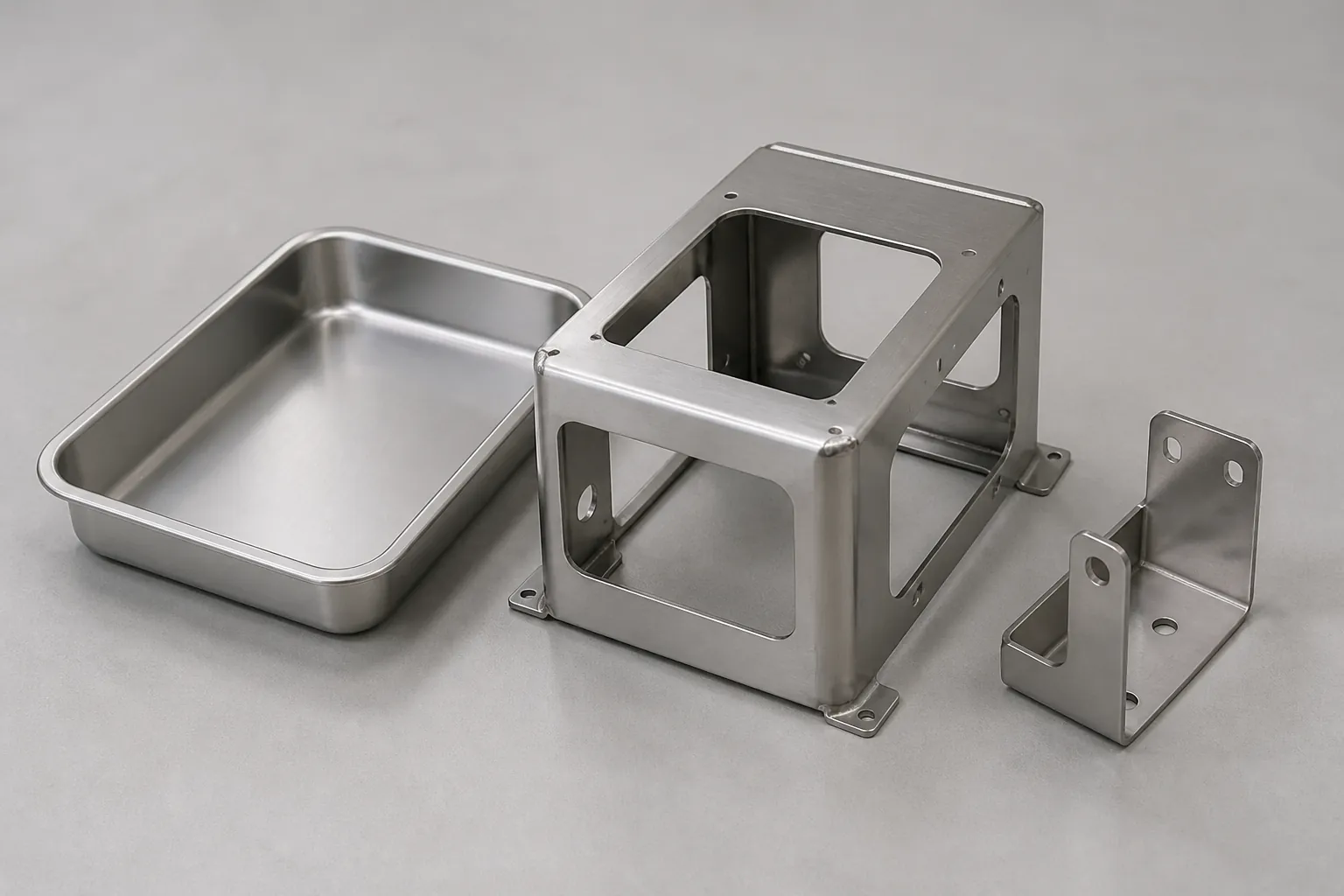
Medical and laboratory equipment
Instrument trays, housing frames and stainless parts: buyers need traceability and cleanable, crevice-free surfaces.
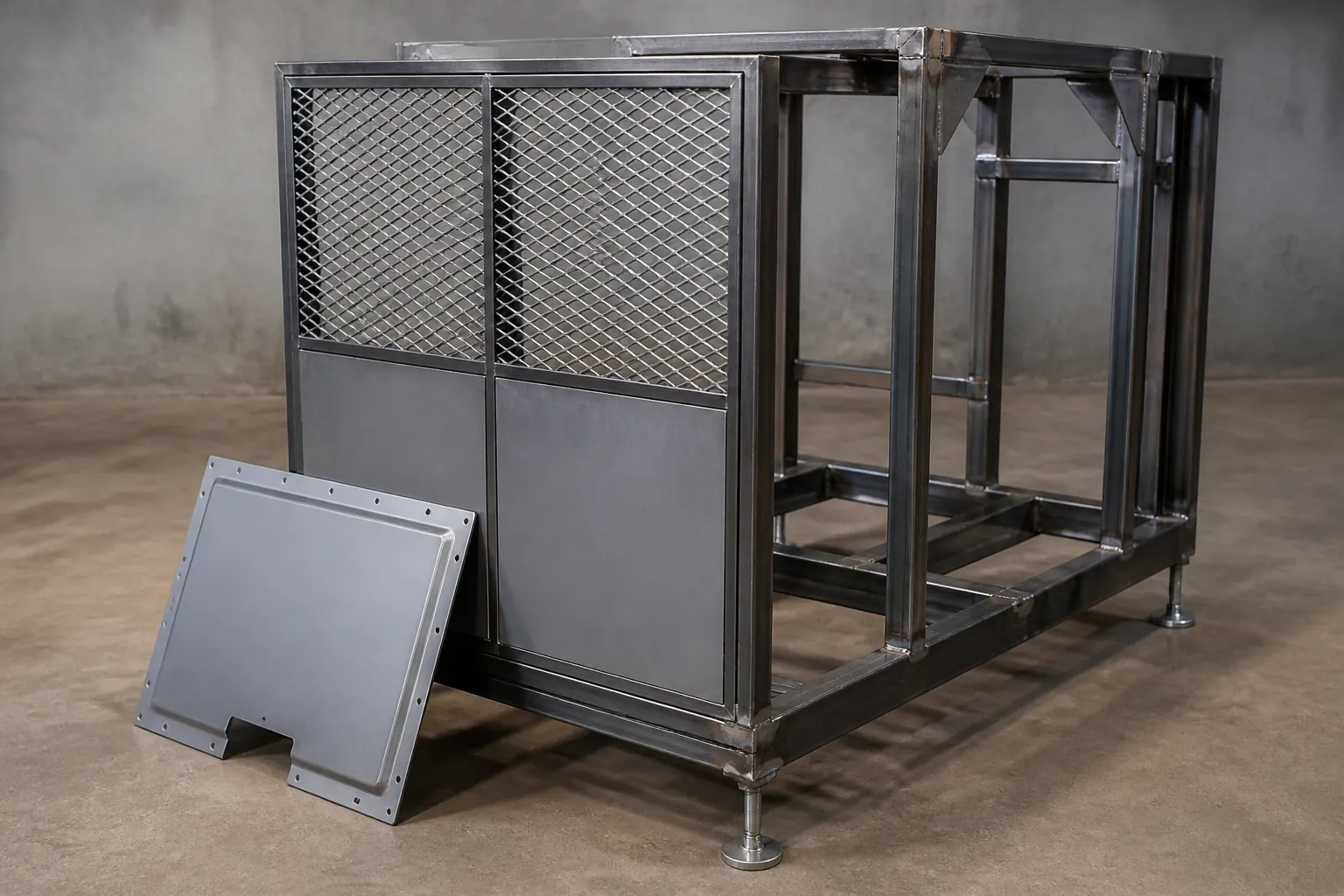
Industrial machinery and equipment
Machine guards, mounting plates and welded brackets: buyers assess robustness, repeatability and heavy-gauge fabrication.
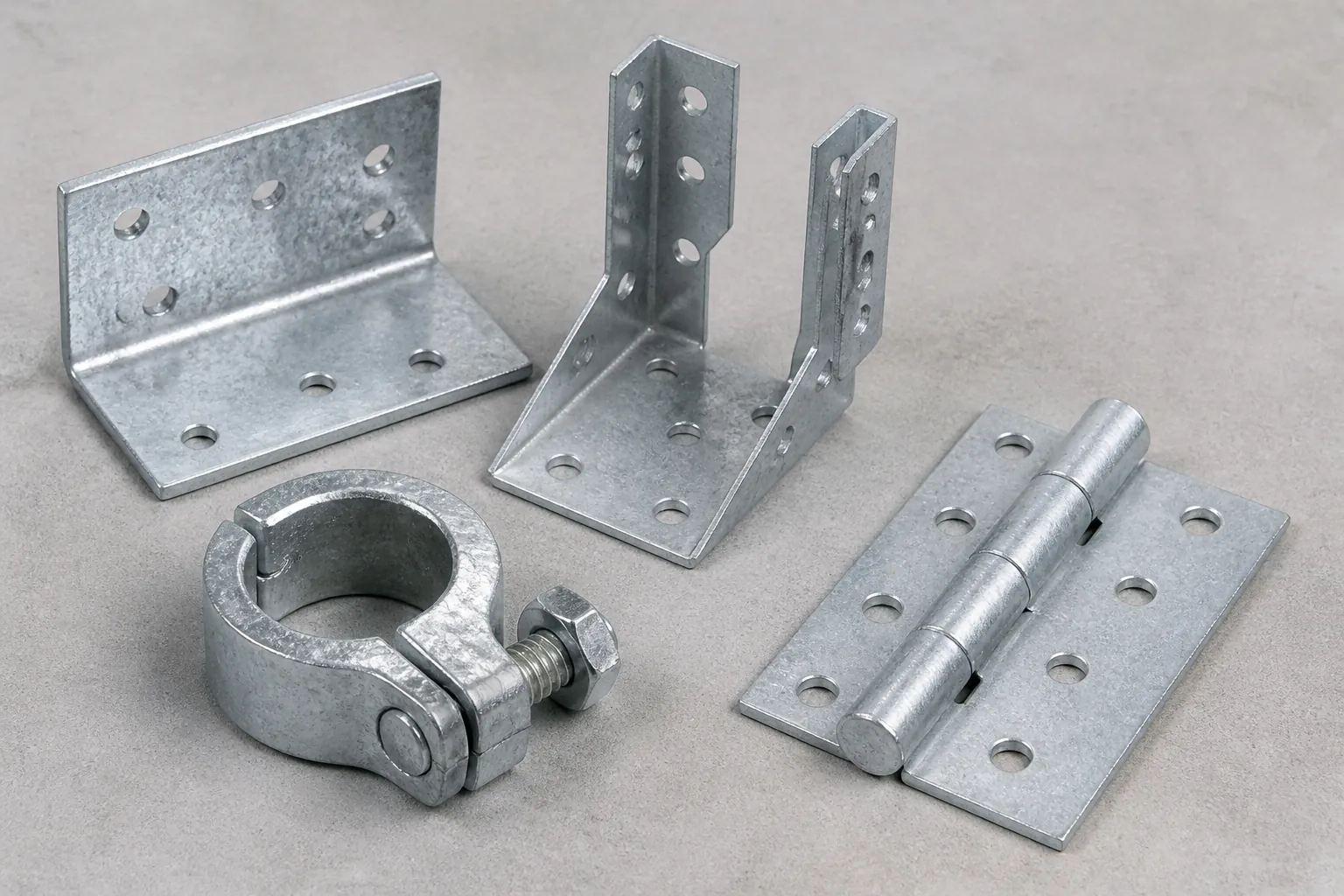
Construction and building hardware
Hinges, latches and joist hardware: buyers focus on corrosion protection, with hot-dip galvanizing often used.
Representative component examples
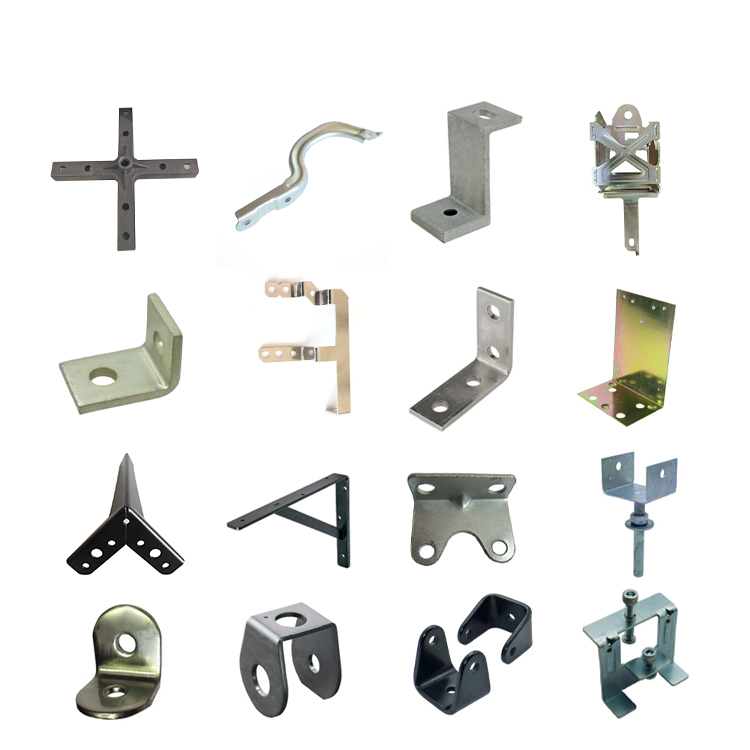
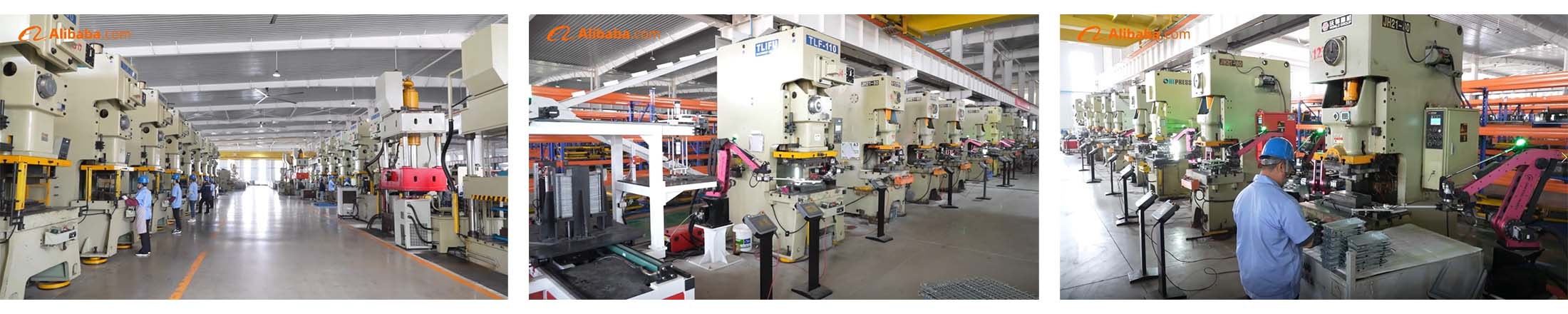
| 6 sectors | automotive & EV, electronics, energy, medical, machinery, construction |
| 25–400 t | stamping presses |
| 12,000 W | fibre laser cutting |
| 3,200 mm | CNC press brake bed |
| ISO 9001:2015 | reg. 34025Q30296R0S |
| No MOQ | from 1 piece |
Why industry experience changes the part
The same drawing can be manufacturable or not depending on where it is going. Four requirements separate the sectors, and each one changes a decision earlier in the process:
| Requirement | What changes because of it |
|---|---|
| Traceability | Whether material certificates and batch records are mandatory or optional — and whether the mill certificate has to travel with every shipment |
| Corrosion environment | The grade and the finish: carbon steel with zinc plating, hot-dip galvanising for outdoor structures, or 304/316L stainless for chloride and hygiene |
| Appearance standard | Whether a dressed weld and a painted finish are acceptable, or whether the surface has to be passivated and crevice-free |
| Volume stability | Whether the part will still be made in five years — which decides between stamping tooling and fabricated production |
Getting one of these wrong is not a cosmetic problem. A galvanised bracket specified where 316L was needed fails in the field; a fabricated part specified where a die should have been cut costs money on every unit for years; a stainless weld that is never passivated rusts at the seam even though the weld is sound.
So we ask about the application before quoting the part: where it goes, what it is exposed to, what documentation the end customer will demand, and whether the volume is likely to hold. Those four answers usually decide the material, the process and the price before the geometry does.
Processes available across every sector
- Custom metal stamping — progressive, compound and transfer dies built in-house, from 25 to 400 tonne presses
- Sheet metal fabrication — cutting, forming, joining and finishing under one work order
- Metal deep drawing — multi-stage hydraulic drawing for seamless cups, cans and enclosures
- Sheet metal bending — 3,200 mm CNC press brake with bend deduction calculated per material
- Metal welding — MIG, TIG, spot and laser welding, plus riveting and hardware insertion
- CNC machining — five-axis milling and turning to ±0.005 mm
Documentation and inspection
Every sector gets the same baseline: CMM dimensional reports, first article inspection on new work, EN 10204 material certificates and coating thickness readings after finishing. Where a sector needs more, we agree it at RFQ rather than after the parts are made — and where a requirement is outside what we can verify ourselves, we say so before quoting instead of assuming it can be arranged.
Third-party inspection is welcome in any sector: SGS, TÜV, BV or your own engineer, at any point in the run.
Start with the application, not the drawing
Tell us the industry and how the part is used. That is usually enough for us to tell you which material, process and finish are the sensible starting point — and where the cost is really coming from. Send the file through the RFQ form, or read how we price metal fabrication first. The quotation, lead time and initial DFM feedback are returned within 24 hours.
Standards referenced
- ASTM International — material and test standards
- IATF Global Oversight — automotive quality management requirements
- IAQG — aerospace quality standards, relevant where a part is aviation-linked
- The Aluminum Association — aluminium alloy designation system
- ISO 9001 quality management — the standard our system is registered against
Frequently asked questions about industry requirements
Do you hold aerospace or automotive quality approvals?
We hold ISO 9001:2015, registration 34025Q30296R0S, together with IATF 16949 and ISO 14001. We do not hold AS9100, NADCAP or ISO 13485, and this site does not claim aerospace or medical approval. If your programme requires PPAP documentation, tell us and we will confirm what can be provided.
Which industries do you actually produce for?
Automotive, electronics, energy, medical equipment, industrial machinery and construction hardware. Each has its own page describing the parts and the standards that usually apply.
Can you supply industry-specific inspection documentation?
Yes. A CMM dimensional report and an EN 10204 3.1 material certificate ship with every order, and first article inspection reports, surface treatment readings and hardness results are added where the drawing calls for them. Independent inspection by SGS, TUV or BV can be arranged and built into the quotation.