

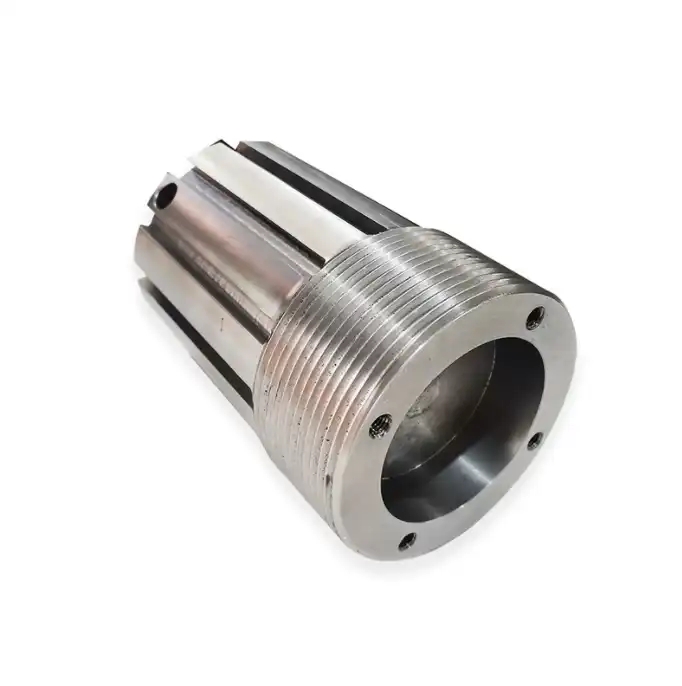
CNC MachiningCNC turned stainless steel threaded sleeve with a bolt-hole flange and milled flats

In modern manufacturing, understanding the differences between CNC machining and other fabrication methods is crucial for making informed production decisions. While CNC machining has revolutionized precision manufacturing, it’s just one of many available processes. This article explores these differences and demonstrates how Beijing JCEN’s sheet metal fabrication experience since 1997 ensures optimal process selection.

Understanding CNC Machining: Precision Through Automation

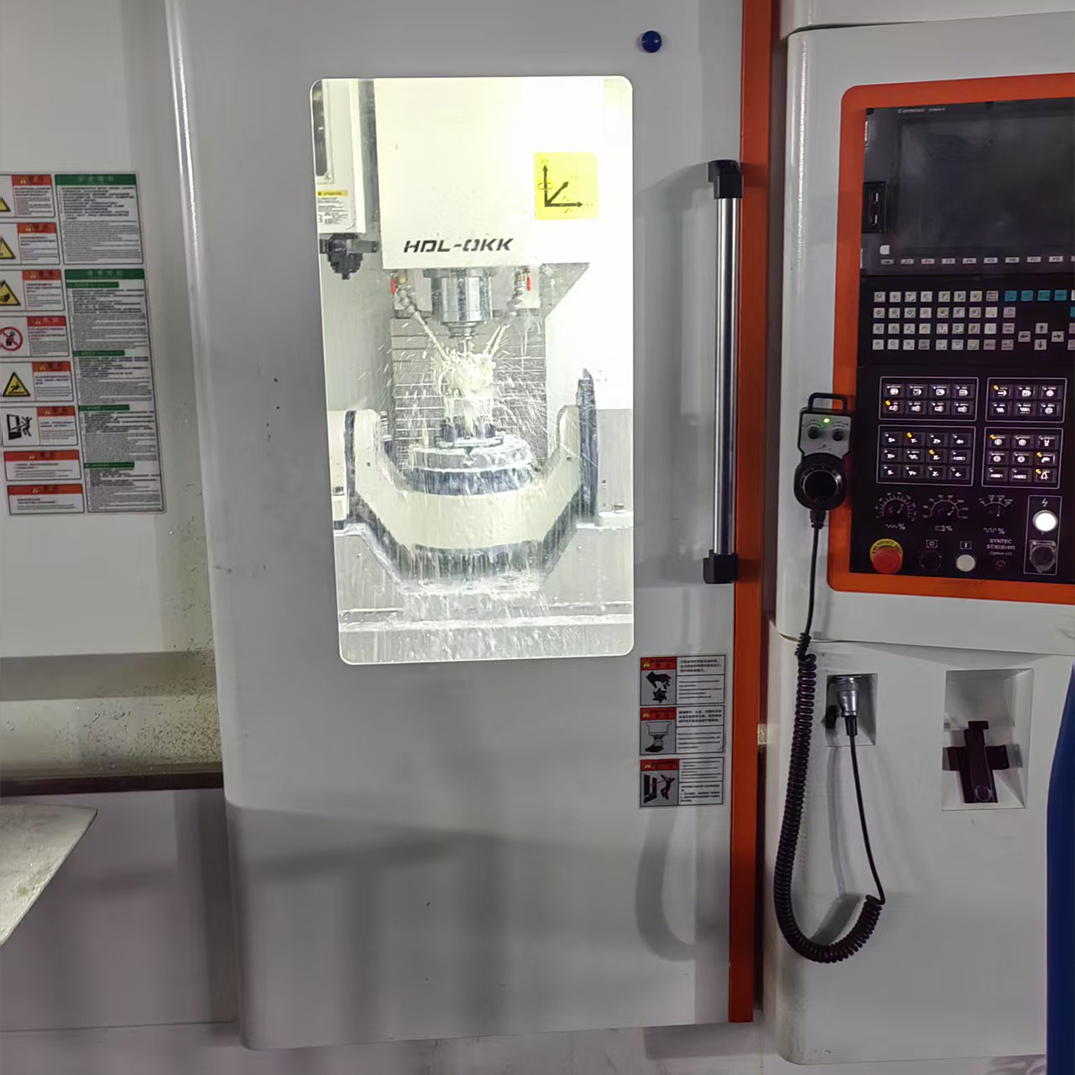
CNC machining represents the pinnacle of automated precision machining. Using computer-controlled equipment like CNC milling machines and CNC lathes, this process follows digital toolpaths to shape materials with exceptional accuracy. The CNC machining process involves several key stages:

  1. CAD Model creation and CAM programming

  2. Workpiece setup and cutting tool selection

  3. Automated material removal through milling, turning, and drilling

  4. Quality control and surface finish enhancement

Key advantages include:

  • Exceptional precision and tight tolerances

  • Excellent repeatability for medium-volume production

  • Ability to process various materials including aluminum, stainless steel, and titanium

  • Suitable for both prototyping and full production runs

Other Major Manufacturing Processes

1. Additive Manufacturing (3D Printing)
Unlike subtractive CNC machining, additive manufacturing builds parts layer by layer. This process excels at creating complex geometries that would be challenging with traditional machining processes. While ideal for rapid prototyping, it often requires additional surface finish work and may not match the strength of CNC machined parts.

2. Sheet Metal Fabrication
This encompasses processes like laser cutting, stamping, and punching. As Beijing JCEN’s 28-year specialty, sheet metal fabrication focuses on forming and cutting metal sheets into desired shapes. Key processes include:

  • Laser cutting for precise 2D shapes

  • Stamping for high-volume production

  • Welding and assembly for final product integration

3. Injection Molding
Best suited for mass production of plastic parts, injection molding involves injecting molten material into molds. While offering excellent per-part economics at high volumes, it requires significant initial tooling investment.

Comparative Analysis: CNC Machining vs. Alternatives

FactorCNC MachiningSheet Metal FabricationAdditive Manufacturing
Material EfficiencyModerate (subtractive)High (optimized nesting)High (minimal waste)
Production SpeedMediumFast for high volumesSlow for large parts
Design FlexibilityHigh within tool access limitsGood for 2.5D designsExcellent (complex geometries)
Surface FinishExcellent as-machinedGood, may need finishingLayered appearance
Best ApplicationPrecision components, aerospace partsEnclosures, brackets, chassisPrototyping, complex designs

Beijing JCEN’s 28-Year Expertise in Process Selection

With experience since 1997 in sheet metal fabrication and precision machining, Beijing JCEN provides invaluable guidance in selecting the optimal manufacturing process. Our expertise covers:

Comprehensive Capabilities:

  • State-of-the-art CNC machining centers and multi-axis mills

  • Advanced laser cutting and stamping equipment

  • Complete welding and assembly services

  • Rigorous quality control systems

Material Mastery:
Our extensive experience with various materials including aluminum alloys, stainless steel, and engineering plastics ensures optimal material selection for each application.

Industry Applications:
We serve diverse sectors including:

  • Aerospace and automotive components

  • Electronics enclosures and chassis

  • Medical device manufacturing

  • Industrial equipment parts

Why Process Selection Matters

Choosing between CNC machining and other processes depends on multiple factors:

Choose CNC Machining when you need:

  • Exceptional precision and tight tolerances

  • Superior surface finish

  • Medium production volumes

  • Complex 3D geometries

Choose Sheet Metal Fabrication for:

  • Thin-walled components and enclosures

  • High-volume production

  • Cost-effective brackets and mounts

  • Integrated assembly solutions

Choose Additive Manufacturing for:

  • Rapid prototyping

  • Highly complex internal structures

  • Customized one-off parts

Conclusion: Partnering for Manufacturing Excellence

Understanding the differences between CNC machining and other manufacturing processes is essential for project success. While CNC machining offers unparalleled precision for complex parts, processes like sheet metal fabrication provide cost-effective solutions for high-volume production.

Beijing JCEN’s experience in sheet metal fabrication since 1997 and precision machining ensures that our clients receive expert guidance in process selection, design for manufacturability optimization, and highest quality execution. From initial prototyping to full-scale production, we deliver solutions that balance cost, quality, and timing requirements.

Contact Beijing JCEN today to leverage our manufacturing expertise since 1997 for your next project.

Related capabilities

We produce parts of this type with CNC machining. We also manufacture for Electronics and electrical and Automotive and EV programmes.

Key facts

ItemDetail
CNC machiningComputer controlled milling and turning to digital toolpaths
CNC strengthsPrecision, tight tolerances, repeatability for medium volume production
CNC materialsAluminum, stainless steel, titanium
Sheet metal fabricationLaser cutting, stamping, punching, welding, assembly
Additive manufacturingBuilds parts layer by layer for complex geometry
Company experience28 years in sheet metal fabrication

For background on automated manufacturing systems, see the NIST Intelligent Systems Division.

Frequently asked questions

When is CNC machining the right process?

CNC machining suits work that needs exceptional precision and tight tolerances, a superior surface finish, medium production volumes, or complex three dimensional geometry. Because the equipment follows digital toolpaths, parts are repeatable, which makes the process dependable for features that would be difficult to form another way.

When is sheet metal fabrication better than CNC machining?

Sheet metal fabrication is a strong choice for thin walled components and enclosures, high volume production, cost effective brackets and mounts, and integrated assembly. It covers laser cutting for precise two dimensional shapes, stamping for high volume production, and welding and assembly for final product integration.

How does additive manufacturing compare with CNC machining?

Additive manufacturing builds parts layer by layer rather than cutting material away. It excels at creating complex geometries that are difficult to machine, which makes it useful for rapid prototyping. It often needs additional surface finishing and may not match the strength of a CNC machined part.

1V1 engineering support, competitive pricing, on-time deliveries and high quality control. Please feel free to contact with us to get quotation.