


We manufacture for six industries served by this site: automotive, electronics and electrical, energy, medical and laboratory equipment, industrial machinery, and construction hardware. Each of the industries served has its own page setting out the processes, materials and documentation that work usually requires.
Key facts: industries served
| Automotive | Brackets, structural stampings and EV components; volume stamping with IATF-aligned documentation expectations where a program requires it |
| Electronics and electrical | Enclosure panels, chassis plates, card guides, heat sink brackets, terminal hardware |
| Energy | Mounting plates, frame components, busbar supports, cable trays and covers |
| Medical and laboratory | Instrument housings, equipment chassis, trays and racks, in stainless 304 and 316 |
| Industrial machinery | Machine guards, covers, frames and base plates, control panel enclosures |
| Construction | Brackets and cleats, mounting plates, fixings, welded steel assemblies |
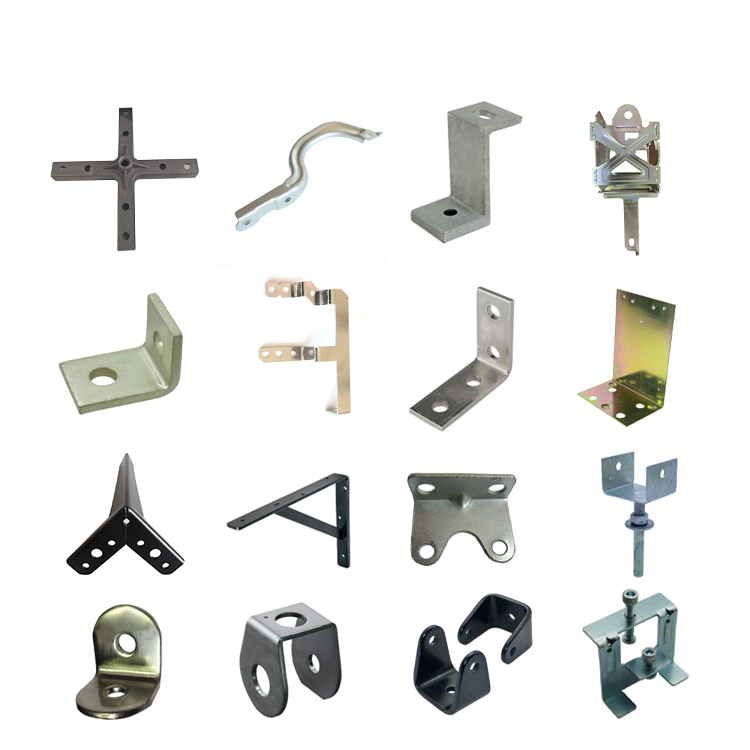
Where the sectors differ
The processes repeat across sectors, but the standards, tolerances and documentation do not. That is the reason for a separate page per industry rather than one list.
Automotive is driven by volume and repeatability. A part that justifies a die is stamped, and the quality expectation shifts from inspecting individual parts to controlling a process. Where a program specifies an automotive quality system or PPAP documentation, tell us at enquiry stage so we can state plainly what we can provide. Read the automotive page.
Medical and laboratory work is driven by corrosion resistance and traceability. Stainless 316 and 316L appear more often, passivation matters, and CMM dimensional reports and EN 10204 material certificates are the documentation that a quality system will ask for. Read the medical page.
Energy and construction are driven by exposure and structure. Welded assemblies are common, and the difficult requirement is usually flatness after welding rather than the weld itself. Material choice follows the environment: 316 where chlorides are present, galvanising where a cut edge must stay protected. Read the energy page and the construction page.
Electronics and machinery share a flatness and finish problem. Thin enclosure panels are hard to keep flat, and the answer is forming and heat control rather than tighter cutting. Read the electronics page and the machinery page.
Sectors we do not claim
We do not hold AS9100, and this site does not claim aerospace approval. If your program requires an aerospace quality system, we are not the right supplier and we would rather say so at enquiry stage than after a purchase order. The same honesty applies to any industry-specific certification: ask, and you will get a direct answer about what we hold rather than an implied one.
The full sector list with links is on industries we serve. Equipment and tolerances are on equipment and capacity, and buyer reviews from seven countries are in case studies.
Material and test standards referenced are published by ASTM International, and measurement practice follows NIST guidance.
Frequently asked questions
Which industries do you serve?
We manufacture for six industries: automotive, electronics and electrical, energy, medical and laboratory equipment, industrial machinery, and construction hardware. Each industry has its own page setting out the processes, materials and documentation that work usually requires, because the standards and tolerances differ even where the processes repeat.
What do medical and energy customers typically need?
Medical and laboratory work is driven by corrosion resistance and traceability: stainless 316 and 316L appear more often, passivation matters, and CMM dimensional reports and EN 10204 material certificates are the documentation a quality system will ask for. Energy work is driven by exposure and structure, where welded assemblies must hold flatness after welding.
Do you hold aerospace quality approval?
No. We do not hold AS9100, and this site does not claim aerospace approval. If your program requires an aerospace quality system, we are not the right supplier, and we would rather say so at enquiry stage than after a purchase order. Ask about any industry-specific certification and you will get a direct answer.