



What is the Meaning of Metal Fabrication?
Metal fabrication is the transformative process of creating metal structures and parts by cutting, bending, and assembling raw materials. It is a cornerstone of modern manufacturing, producing everything from intricate machine components to massive architectural frameworks. At its core, metal fabrication turns basic metal sheets, tubes, and bars into functional products through a series of skilled techniques. For companies like Beijing JCEN, which brings sheet metal fabrication experience since 1997 to the table, this process represents a blend of art, science, and engineering precision.
This article will explore the fundamental meaning of metal fabrication and delve into the essential sheet metal fabrication processes that define the industry.
The Core Processes of Sheet Metal Fabrication
Sheet metal fabrication involves a sequence of operations. Each step requires specialized machinery and expert knowledge to ensure the final product meets exact specifications. Here are the key stages:
Design and Prototyping: Before any physical work begins, a detailed design is created, often using Computer-Aided Design (CAD) software. This digital blueprint guides every subsequent step, ensuring accuracy and allowing for rapid prototyping.
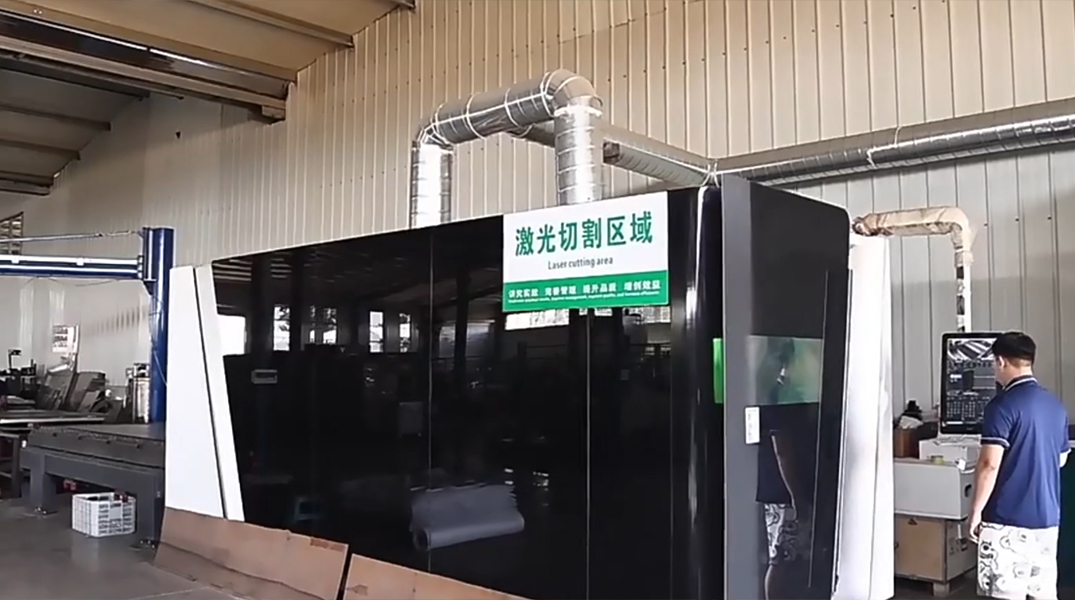
Cutting: This is the first physical step where large metal sheets are divided into smaller, more manageable pieces. Modern shops like Beijing JCEN utilize advanced methods like laser cutting, which offers exceptional precision for complex shapes. Other popular metal cutting techniques include plasma cutting for thicker materials and waterjet cutting for materials sensitive to high heat.
Bending and Forming: Once cut, the flat metal pieces are formed into three-dimensional shapes. This is primarily done through press brake bending, where a machine applies immense force to create precise angles and bends. This step is critical for forming enclosures, brackets, and chassis.
Assembly: The formed metal parts are then joined together. Welding is the most common assembly method, with techniques like TIG welding and MIG welding providing strong, permanent bonds. Other assembly methods include riveting and the use of hardware inserts for threaded connections.
Beijing JCEN: Mastery in Fabrication Since 1997
With experience since 1997, Beijing JCEN has mastered the entire fabrication workflow. Their expertise ensures that every project, from stamping and punching to final assembly, adheres to the highest standards of quality and precision. Their long-standing presence in the industry is a testament to their commitment to excellence in metal manufacturing.
Key Services and Capabilities in a Modern Fab Shop
A full-service metal fabricator offers a wide range of capabilities. Beijing JCEN’s fab shop is equipped to handle diverse needs, including:
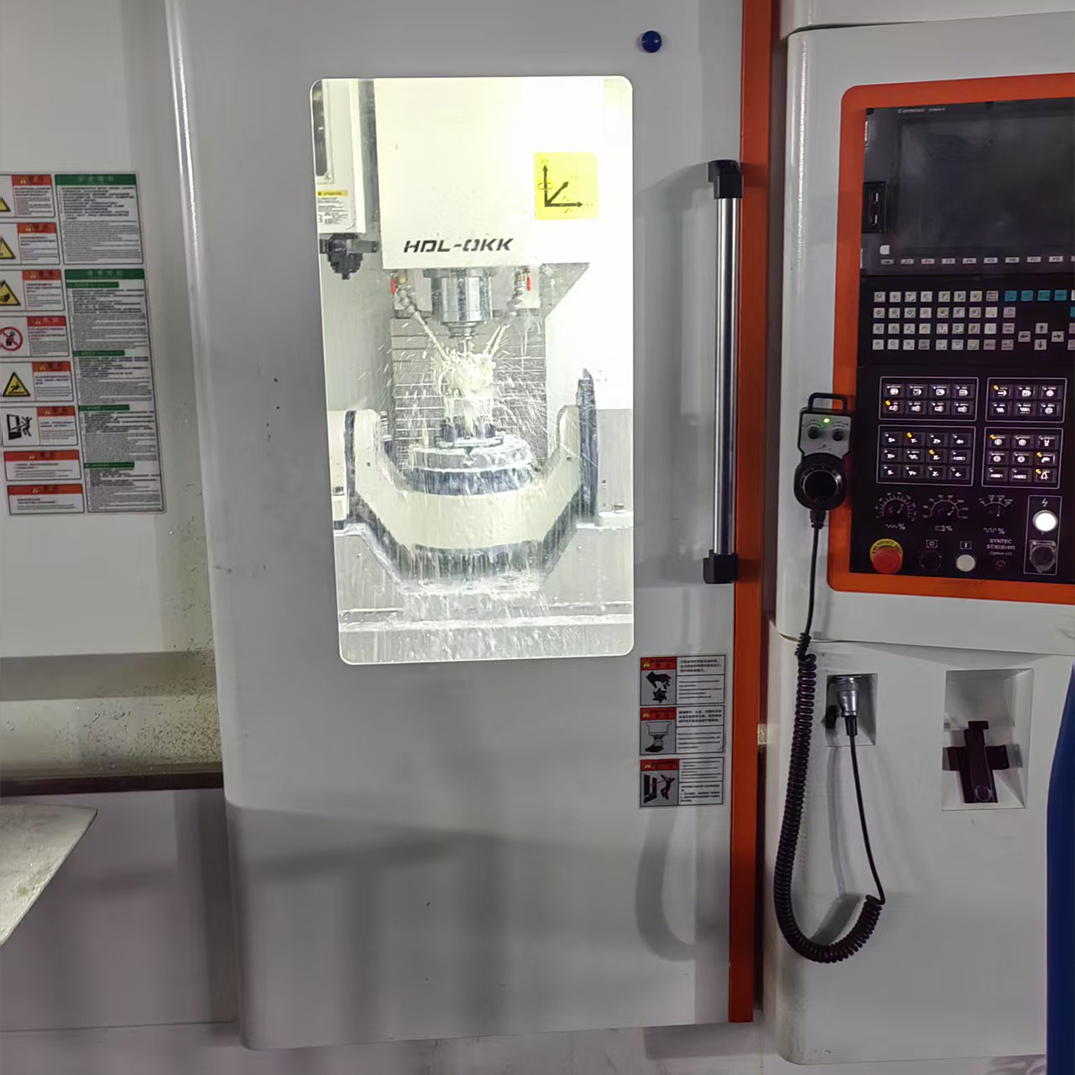
CNC Machining: For adding precise holes, tapped threads, and complex features.
Stainless Steel Fabrication: Essential for applications requiring corrosion resistance and hygiene, such as in food processing or medical equipment.
Aluminum Fabrication: Ideal for lightweight yet strong components in aerospace and automotive industries.
Custom Fabrication: Tailoring solutions for unique client needs, producing custom parts and prototypes.
Structural Steel Fabrication: For constructing frames and supports in buildings and infrastructure.
Their services often extend to powder coating and finishing, which protect the metal and enhance its appearance, as well as precise sheet metal assembly and installation.
Why Choose an Experienced Partner Like Beijing JCEN?
The meaning of metal fabrication goes beyond mere cutting and joining; it’s about delivering a functional, durable, and high-quality product. Partnering with an expert with experience since 1997 means you benefit from:
Precision and Quality Control: A deep understanding of tolerances and material behavior ensures every part is made to spec.
Expert Project Management: From the initial quote and design through to production and delivery, experienced management keeps projects on track.
Value-Added Services: Many fabricators, including JCEN, act as a vendor or supplier offering welding services, finishing, and full contract manufacturing solutions.
Proven Track Record: A long history of serving industries like aerospace, automotive, and electronics demonstrates reliability and capability.
Conclusion
In summary, the meaning of metal fabrication is the creation of essential metal products through a detailed process of design, cutting, forming, and assembly. It is a vital industry that relies on skill, technology, and experience. For those seeking a reliable partner, Beijing JCEN stands out with its sheet metal fabrication experience since 1997, offering comprehensive services from laser cutting and CNC machining to final welding and assembly. Their dedication to quality makes them a leading manufacturer and supplier in the global market.
Related capabilities
We produce parts of this type with sheet metal fabrication. We also manufacture for Automotive and EV and Electronics and electrical programmes.
Key facts
| Item | Detail |
|---|---|
| Definition | Creating metal structures and parts by cutting, bending, and assembling raw materials |
| Core stages | Design and prototyping, cutting, bending and forming, assembly |
| Cutting methods | Laser cutting, plasma cutting, waterjet cutting |
| Forming method | Press brake bending |
| Assembly methods | TIG and MIG welding, riveting, threaded hardware inserts |
| Company experience | 28 years in metal fabrication |
For materials data and background on the metals used in fabrication, see ASM International.
Frequently asked questions
What does metal fabrication mean?
Metal fabrication is the process of turning raw metal sheets, tubes, and bars into functional finished structures and parts. It combines cutting, bending, and assembling, supported by design and prototyping work up front. The output ranges from small machine components to large architectural frameworks.
What are the main steps in sheet metal fabrication?
A project usually moves through four stages. Design and prototyping create a digital blueprint, cutting divides the sheet into manageable pieces, bending and forming create three dimensional shapes on a press brake, and assembly joins the formed parts by welding, riveting, or threaded hardware inserts.
What cutting methods are used in fabrication?
Fabricators choose a cutting method to suit the material and the shape required. Laser cutting offers precision for complex profiles, plasma cutting suits thicker materials, and waterjet cutting handles materials that are sensitive to heat. Each method affects edge quality and how much finishing is needed.


