



 How to Precisely Select the Right Welding Process?
Related capabilities
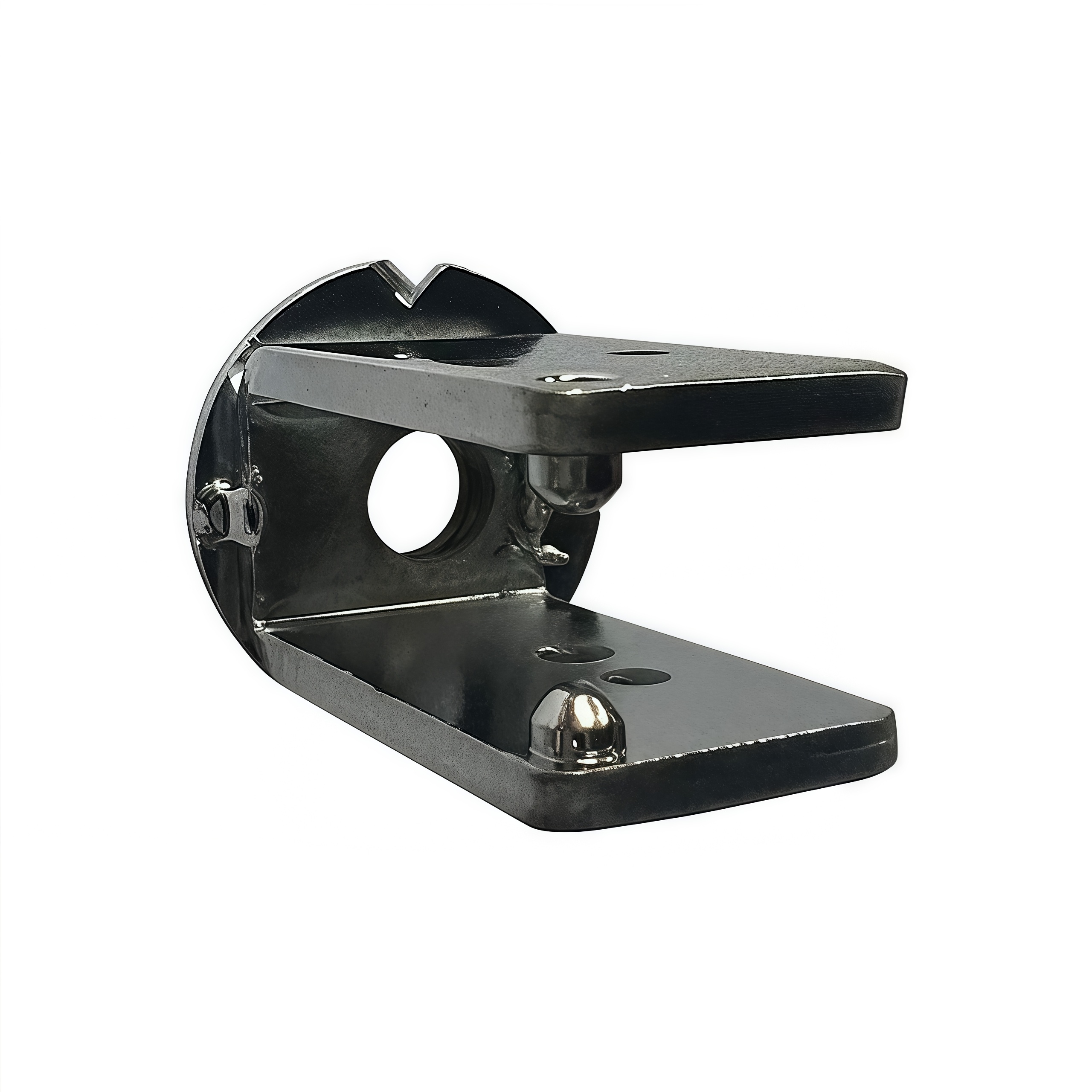
We produce parts of this type with metal welding. We also manufacture for Electronics and electrical programmes.
Frequently asked questions
Which factors decide the right welding process?
The choice depends first on the base metal type and its properties, because stainless steel, aluminum, and carbon steel all behave differently. Material thickness matters too, since thin sheet demands low heat input to prevent warping. Project requirements such as joint position, production volume, appearance, working environment, and cost also shape the decision.
When should TIG welding be used?
TIG welding suits high-precision, high-quality joints on thin materials, stainless steel, aluminum, and exotic metals. It is the go-to method for critical weld quality and aesthetic appearance, offering excellent control and clean, high-strength results. It is slower than other methods and requires significant operator skill.
What is MIG welding best for?
MIG welding uses a continuously fed wire electrode and a shielding gas to protect the weld pool from contamination. It is best for high-speed work on stainless steel, aluminum, and carbon steel, and is versatile across various metal thicknesses. It is fast, easy to learn, and good for long production runs.


