


1. Machinability Overview of the Three Metals
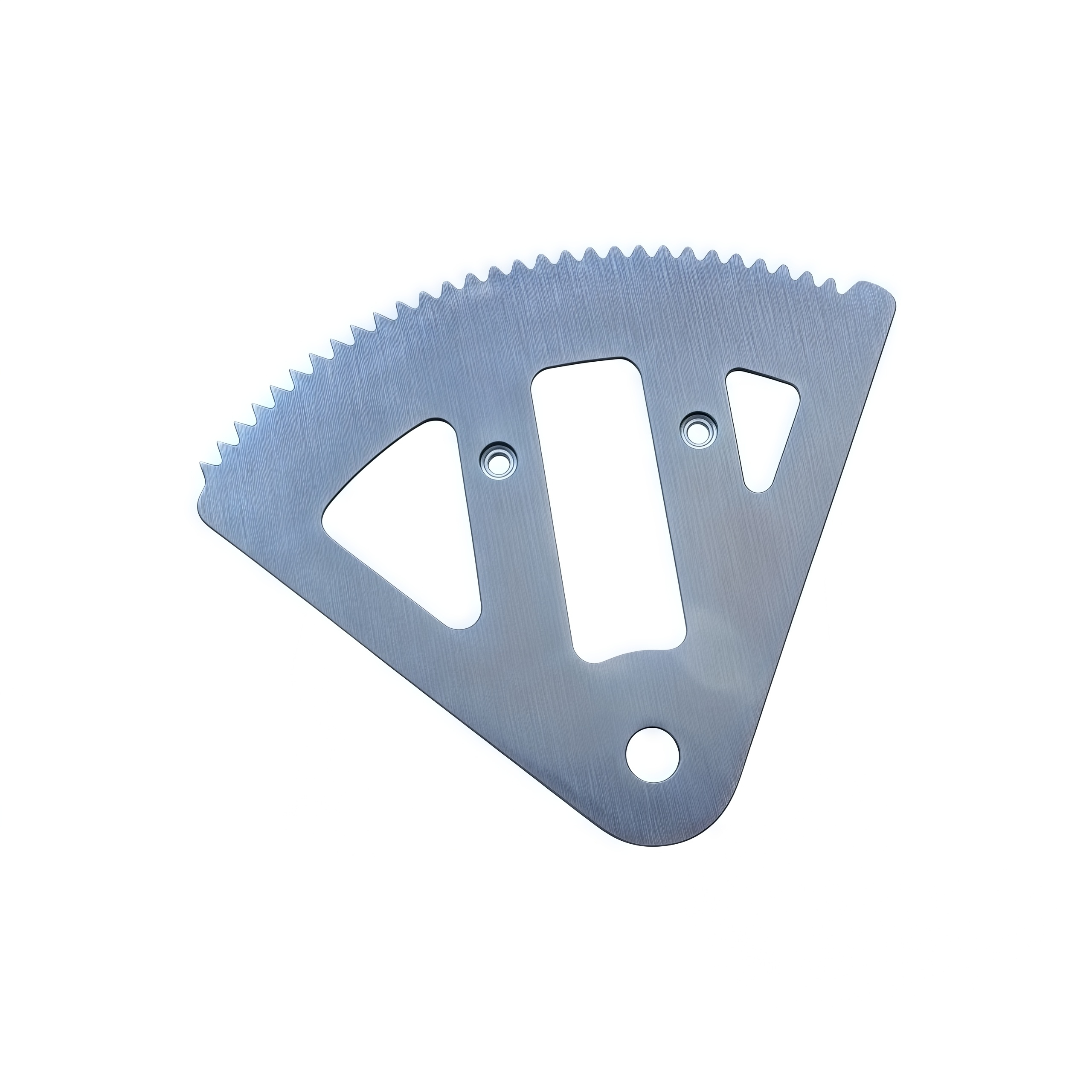
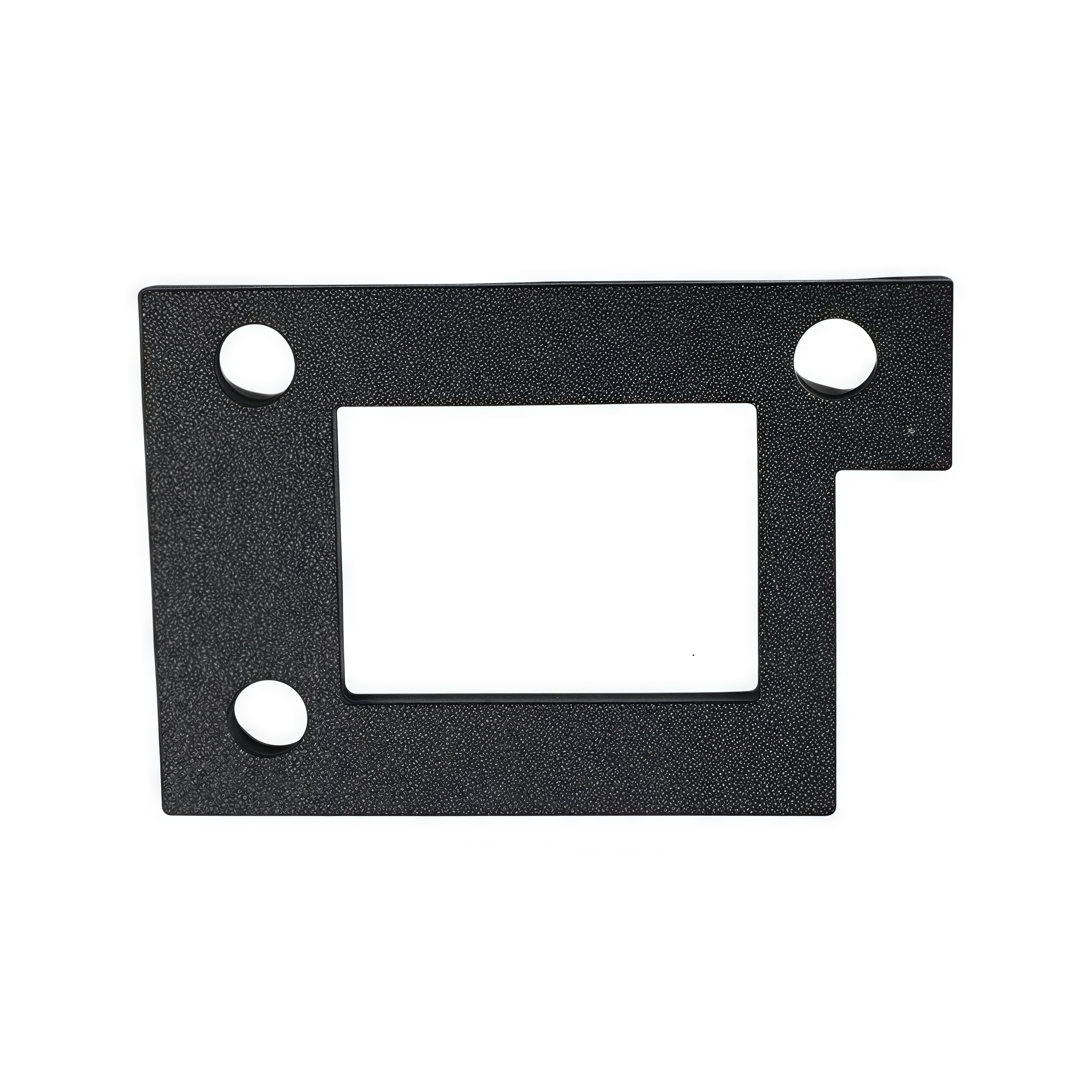 ness, toughness, plasticity, and thermal conductivity affect it. These are key for all sheet metal processing projects. Beijing Jiacheng’s 28-year practice proves carbon steel has the best machinability for stamping and bending. Aluminum alloy is ideal for lightweightsheet metal work. Stainless steel is the most challenging due to its corrosion resistance.
2. Key Machinability Differences in Sheet Metal Processing
2.1 Carbon Steel for Sheet Metal Fabrication
2.2 Aluminum Alloy for Lightweight Sheet Metal Work
2.3 Stainless Steel for Precision Sheet Metal Fabrication
3. Comparative Summary of Sheet Metal Processing Performance
Material | Cutting Performance (Sheet Metal) | Forming Performance (Sheet Metal) | Welding Performance (Sheet Metal) | Key Processing Challenges |
|---|---|---|---|---|
Carbon Steel | Excellent (low-carbon best for stamping) | Good (deep drawing for low-carbon) | Good (ideal for sheet metal welding) | High-carbon brittleness in complex forming |
Aluminum Alloy | Good (prone to tool sticking) | Good (significant springback in bending) | Moderate (special aluminum welding) | Springback and tool sticking |
Stainless Steel | Poor (work hardening in laser cutting) | Moderate (austenitic hard to form) | Moderate (weld corrosion resistance) | Work hardening and chip control |
4. Beijing Jiacheng’s 28-Year Expertise
Related capabilities
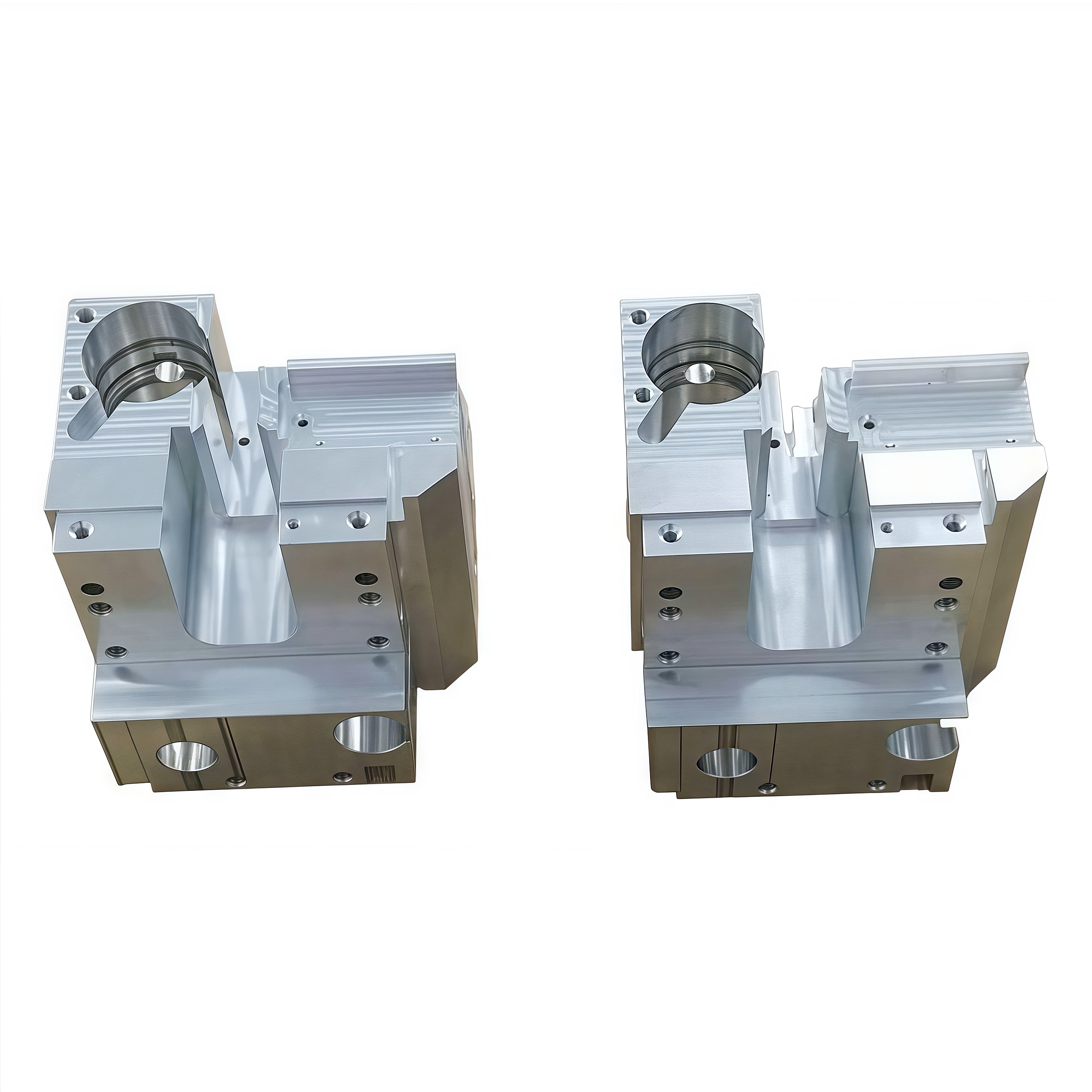
We produce parts of this type with CNC machining. We also manufacture for Automotive and EV and Electronics and electrical programmes.
Frequently asked questions
Which of the three metals has the best machinability?
Carbon steel is the easiest to work with and is the best choice for stamping and bending. Aluminum alloy is ideal for lightweight sheet metal work. Stainless steel is the most challenging of the three because of its corrosion resistance, so it demands careful processing and wear-resistant tooling.
What makes aluminum alloy difficult to bend and machine?
Aluminum alloy has a low elastic modulus, which causes significant springback and makes aluminum sheet metal bending a challenge. It also sticks to tools during CNC drilling and cutting. Springback is solved by optimizing die design and using multi-pass bending processes, while tool sticking is handled with high-performance lubricants and sharp tools.
Why is stainless steel harder to machine than carbon steel?
Stainless steel contains at least 11 percent to 12 percent chromium, which gives great corrosion resistance but poor machinability. Austenitic grades such as 304 and 316 are very tough, produce irregular chips during cutting and are prone to work hardening and built-up edge, so they need high-force CNC machining and wear-resistant tools.


