


Which Metal is the Lowest Cost for CNC Machining?
In the world of sheet metal fabrication and CNC machining, controlling costs is a top priority. The choice of material is a major factor in the final budget. So, for CNC machining, which metal offers the lowest cost?
Typically, carbon steel—specifically low carbon steel/mild steel (AISI 1018)—and aluminum alloys like 6061 rank among the most economical options. Their excellent machinability, wide availability, and favorable raw material costs make them ideal for high-volume, precision parts requiring bending, punching, and welding.
Why Are Mild Steel & Aluminum Alloys So Cost-Effective?
Material Cost & Availability: These are commodity materials with stable and relatively low costs.
Machinability: They can be cut quickly and cleanly with standard tools, reducing cycle times in CNC milling and CNC turning, and minimizing tool wear.
Versatility in Fabrication: Both perform exceptionally well in standard sheet metal fabrication processes like laser cutting, stamping, and assembly, which streamlines production.
With experience since 1997, Beijing JCEN has mastered the art of material selection. Our deep expertise in metal fabrication ensures we recommend the optimal balance of cost, performance, and durability for your custom sheet metal parts.
Key Sheet Metal Processes That Drive Cost Efficiency
Achieving the lowest cost isn’t just about the metal blank. It requires expert execution of core fabrication processes:
Precision Cutting: We utilize advanced laser cutting and CNC punching for efficient, accurate blanking and cutting, maintaining tight tolerances.
Forming and Bending: Our press brakes handle complex bending and forming with consistent precision, essential for enclosures, brackets, and chassis.
Joining and Finishing: Cost-effective welding (like spot welding, MIG), riveting, and finishes such as powder coating or anodizing add durability and a professional look.
Design for Manufacturability (DFM): The Key to Unlocking Savings
At Beijing JCEN, we provide early DFM feedback to optimize your design for cost savings. This involves simplifying geometries, standardizing hole sizes, and minimizing complex welds or finishes, ensuring efficiency from prototyping through full-scale production.
Beijing JCEN: Delivering Value in Metal Fabrication Since 1997
With expertise since 1997, Beijing JCEN is your trusted partner for affordable, high-quality CNC machining and sheet metal fabrication. Our comprehensive services cover the entire workflow:
Pre-Fabrication: CAD/CAM programming, nesting optimization.
Fabrication: Stamping, piercing, forming, roll forming.
Joining: Welding, brazing, soldering, fastening.
Finishing: Deburring, grinding, painting, plating.
Quality & Assembly: Inspection using CMM, final assembly, and packaging.
We specialize in producing durable sheet metal components, from electrical cabinets and machine guards to stainless steel parts for various industries.
Conclusion: Expertise is Core to Achieving the Lowest Cost
For the lowest cost CNC machining, mild steel and aluminum alloys are typically the best starting points. However, true cost efficiency comes from partnering with an expert fabricator. Beijing JCEN’s 28-year legacy in sheet metal fabrication guarantees not just competitive pricing, but also reliable precision, on-time delivery, and superior customer service. Contact us today for a quote and experience the JCEN difference.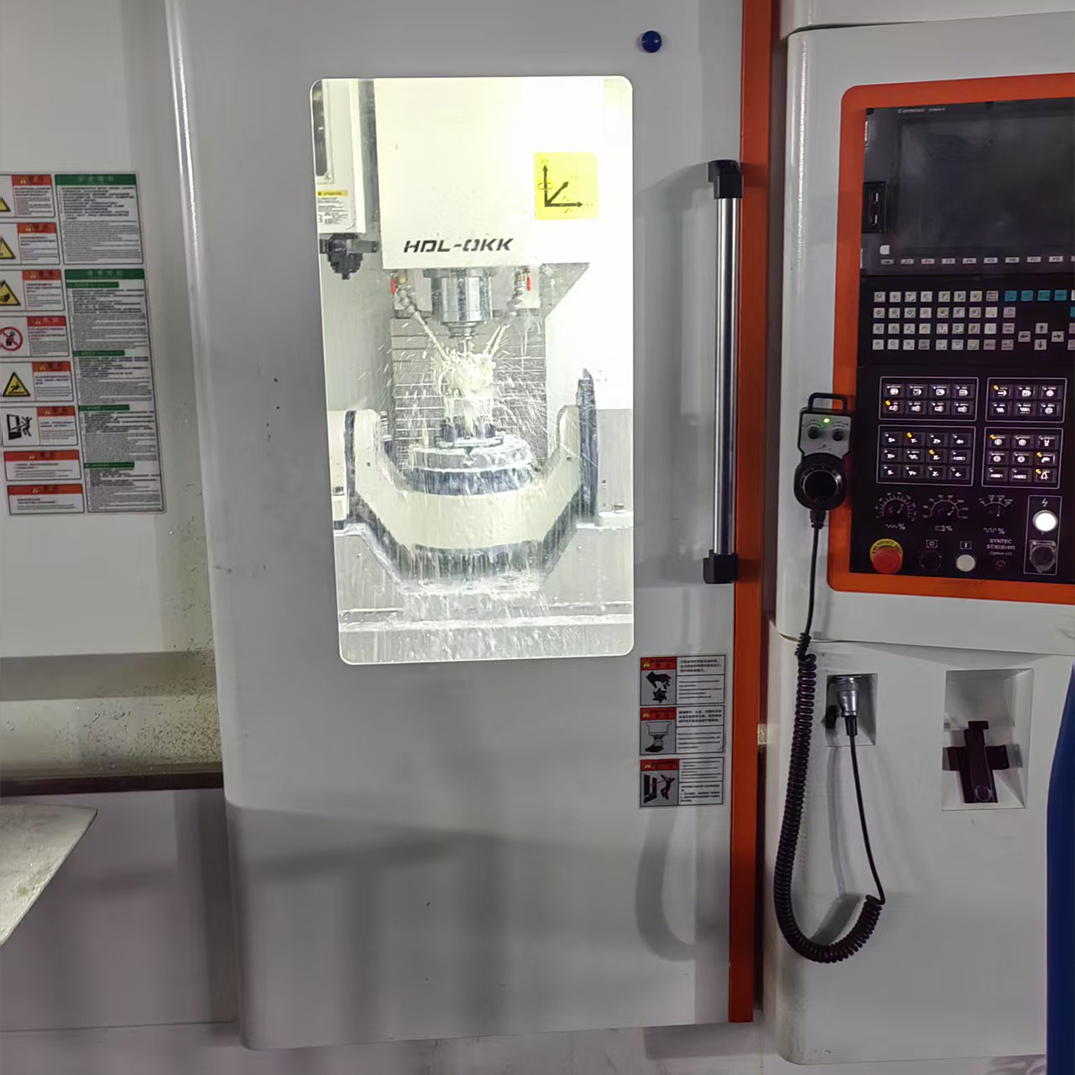
Related capabilities
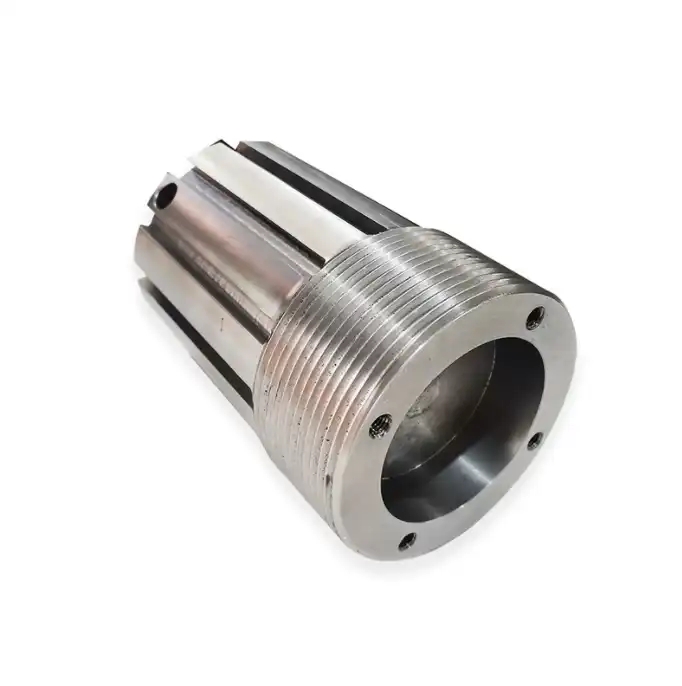
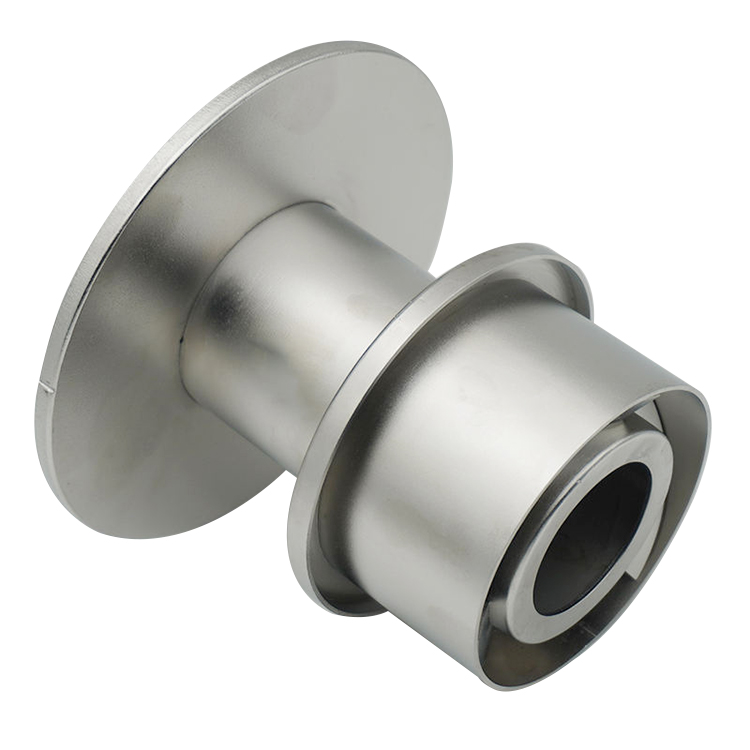
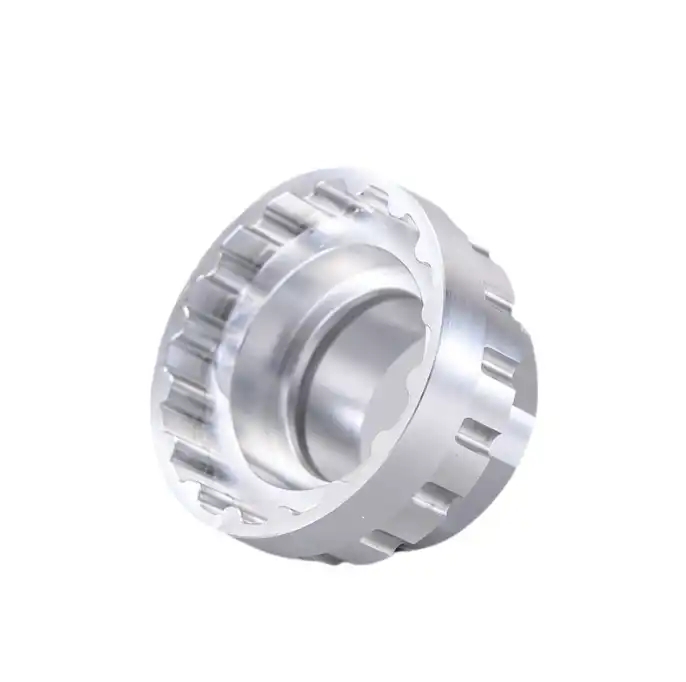
We produce parts of this type with CNC machining. We also manufacture for Industrial machinery programmes.
Key facts
| Most economical metals | Low carbon steel or mild steel (AISI 1018) and aluminium alloys such as 6061 |
| Why they cost less | Commodity materials with stable costs, fast machining with standard tools and less tool wear |
| Cutting | Laser cutting and CNC punching for accurate blanking |
| Forming | Press brakes for bending and forming of enclosures, brackets and chassis |
| Joining and finishing | Welding such as spot welding and MIG, riveting, powder coating and anodizing |
| Quality check | Inspection using CMM, plus final assembly and packaging |
| Experience | Metal fabrication expertise since 1997 |
Frequently asked questions
Which metals are the lowest cost for CNC machining?
Carbon steel, specifically low carbon or mild steel such as AISI 1018, and aluminium alloys like 6061 rank among the most economical options. Their excellent machinability, wide availability and favourable raw material costs make them ideal for high-volume, precision parts that also need bending, punching and welding.
Why are mild steel and aluminium so cost-effective?
They are commodity materials with stable and relatively low costs, and they can be cut quickly and cleanly with standard tools, which reduces cycle times in milling and turning and minimises tool wear. Both also perform well in standard sheet metal processes such as laser cutting, stamping and assembly.
How does design affect the cost of a machined part?
Early DFM feedback optimises a design for cost savings. That involves simplifying geometries, standardising hole sizes and minimising complex welds or finishes, so the part is efficient from prototyping through full-scale production. Choosing the right process route matters too, because cost efficiency comes from execution rather than the blank alone.
Aluminium alloy designations follow the system maintained by the Aluminum Association.


